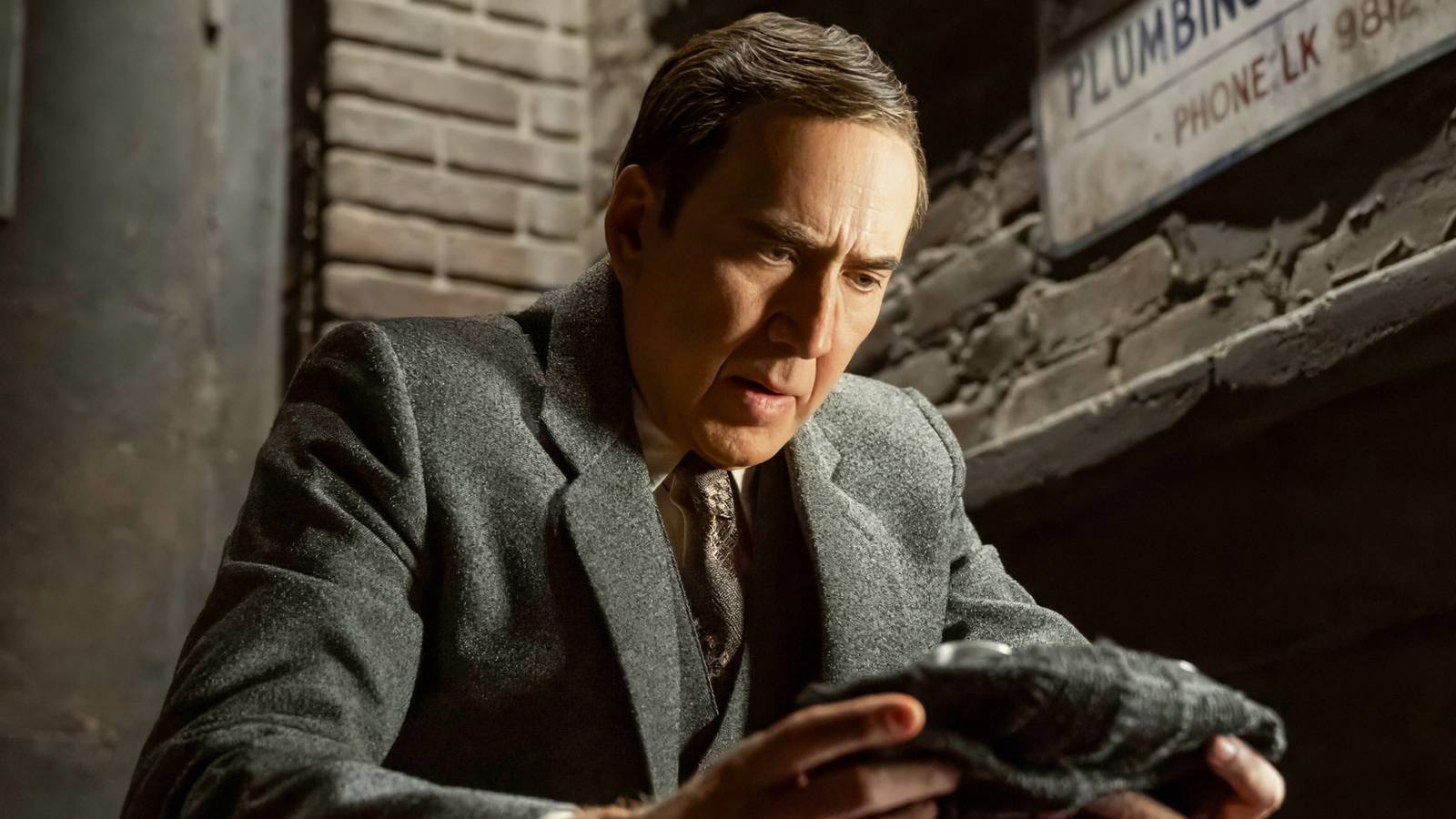
A24's ambitious three-hour documentary You Can See Everything, co-directed by Nathan Fielder and Lance Oppenheim, is making history at the box office. The film, which chronicles the days leading up to Elizabeth Holmes's incarceration, has now grossed over $80 million in North America, cementing its status as a cultural phenomenon.
This milestone places it as the second-highest-grossing non-music documentary in North American history, trailing only Michael Moore's Fahrenheit 9/11, which earned $119 million back in 2005. With such strong momentum, You Can See Everything is poised to potentially surpass that record, especially as it has yet to open in many international markets.

The film's success is a testament to its gripping narrative and the buzz it has generated since its October 16 debut. Critics have hailed it as "the year's most original movie" and a work that "makes you question reality," according to Collider's Samuel R. Murrian. This word-of-mouth has translated into sustained box office performance, with the documentary dropping only 23% in its latest weekend, landing in fourth place on the North American charts.
While You Can See Everything continues its impressive run, the top spot at the box office was claimed by the debut of Godzilla Minus Zero, director Takashi Yamazaki's follow-up to the Oscar-winning Godzilla Minus One. The monster blockbuster roared to a $63 million global opening, accompanied by stellar reviews, including a perfect 10/10 from Collider's Victoria Luxford.
The documentary's success is even more remarkable given the stiff competition from major studio releases. It has managed to hold its own against big-budget spectacles, proving that audiences are hungry for thought-provoking, non-fiction storytelling. This trend is reminiscent of other surprise hits like hockey drama's box office upset and Angel Studios' unexpected debut success.
As awards season heats up, You Can See Everything is emerging as a serious contender for Best Picture at the Oscars. It faces stiff competition from heavyweights like Christopher Nolan's The Odyssey, which grossed $1.8 billion this summer, and other critical darlings such as Fjord, Wild Horse Nine, and the final Dune installment. However, the documentary's unique approach and cultural resonance make it a formidable challenger.
Fielder, known for his work on HBO's The Rehearsal, brings his signature style to this project, blending reality and fiction in a way that has captivated audiences. The film's success also highlights the growing appetite for documentaries that push boundaries, a trend seen in recent years with other non-fiction hits.
With its box office trajectory, You Can See Everything is not just a documentary; it's a cinematic event that is rewriting the rules of what non-fiction films can achieve. As it continues to draw audiences, it may very well become the highest-grossing documentary of all time, a feat that would solidify its place in film history.