Guillermo del Toro has built a career on the strange and the beautiful, crafting dark fairy tales that linger long after the credits roll. From his early Spanish-language horrors to his Oscar-winning romances, his filmography is a treasure trove for anyone who loves monsters with heart. As a longtime admirer, I've taken on the daunting task of ranking his entire directorial output—from the underrated to the iconic.
Born in Jalisco, Mexico, del Toro's passion for cinema ignited at age eight with his father's Super 8 camera. He studied film at the University of Guadalajara before making his feature debut in 1992 with Cronos, a vampire tale that won the Grand Prix de la Critique at Cannes. Since then, he's dabbled in comic book adaptations, stop-motion animation, and gothic horror, always infusing his work with a unique blend of fantasy and dread.
The Bottom Rung: Early Experiments
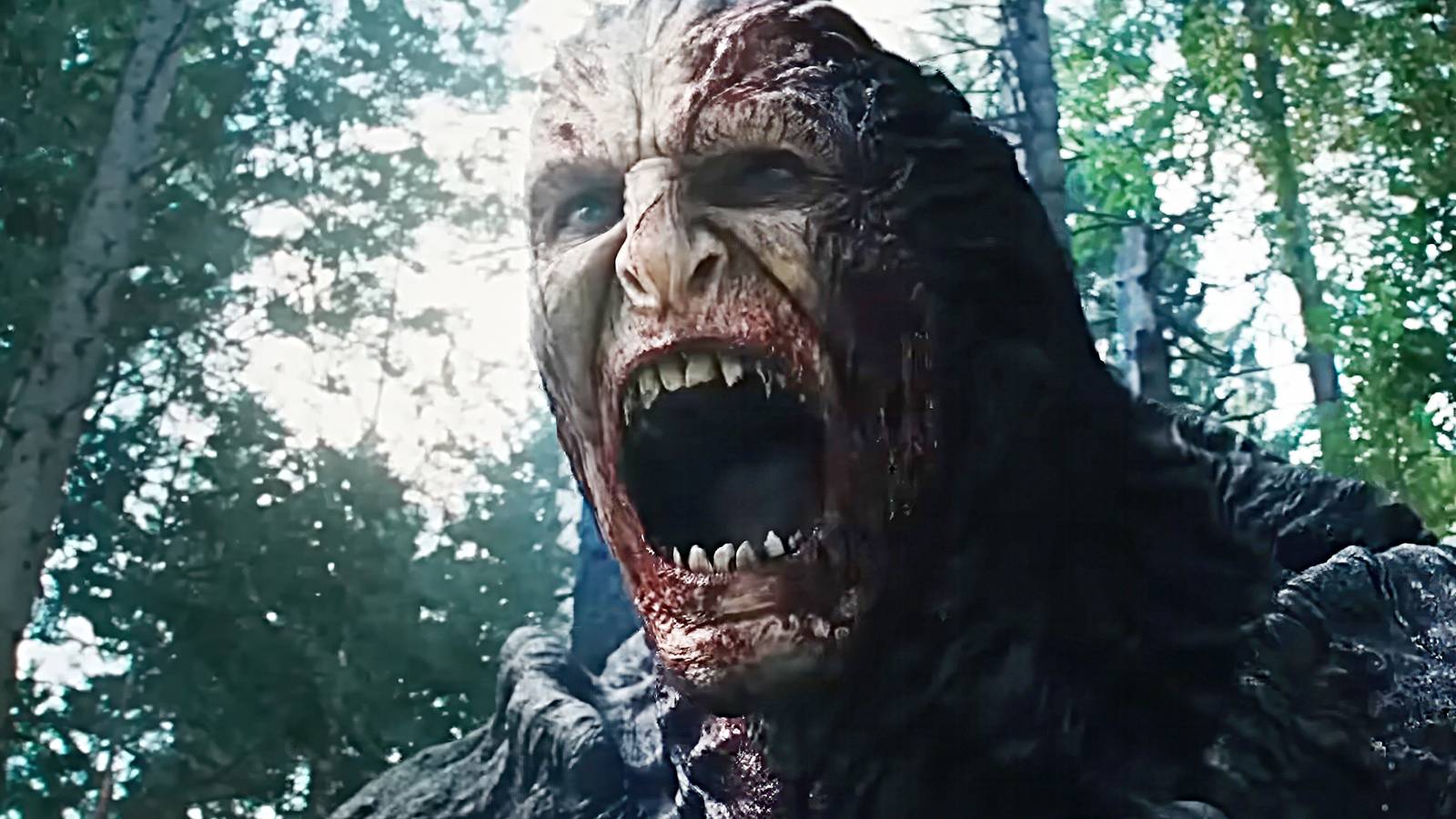
Kicking off the list is Mimic (1997), del Toro's English-language debut. This sci-fi horror follows a biologist (Mira Sorvino) who creates a genetically engineered insect to stop a plague, only to have her creation evolve into a terrifying new threat. Despite studio interference, the film showcases del Toro's signature themes—monsters, insects, and the thin line between beauty and horror—in a claustrophobic New York City setting. It's a rough gem, but it hints at the visionary he would become.
Next up is Pacific Rim (2013), a massive spectacle of giant robots (Jaegers) battling monstrous Kaiju. While it's a love letter to Japanese monster movies, it also delivers on human drama, with themes of teamwork and sacrifice. The creature and machine designs are pure del Toro—detailed, imaginative, and full of personality. It's a blockbuster with a heart, even if it doesn't reach the heights of his more personal work.
Gothic Romance and Superheroes
Crimson Peak (2015) is a gothic romance that uses ghosts as metaphors for trauma and secrets. Mia Wasikowska stars as a young writer who marries a charming aristocrat (Tom Hiddleston) and moves into his decaying mansion, where she uncovers dark truths. Del Toro makes the horror visually stunning, blending elegance with dread in a way that feels like a dark fairy tale rather than a typical haunted house story.
Then there's Blade II (2002), where del Toro took the Marvel vampire hunter and made him his own. Wesley Snipes returns as Blade, who teams up with vampires to fight the Reapers—a new species that threatens both humans and vampires. The film is a thrilling mix of action and horror, with del Toro's grotesque creature designs elevating it beyond typical comic book fare. It's a testament to his ability to infuse studio projects with his unique vision.
The Upper Tier: Masterpieces
Moving into the upper echelon, we find The Devil's Backbone (2001), a ghost story set in a Spanish orphanage during the Civil War. It's a haunting tale of childhood, loss, and the specters of the past, blending historical drama with supernatural elements. Del Toro's direction is assured, and the film's atmosphere is thick with melancholy and tension.
Hellboy (2004) and its sequel Hellboy II: The Golden Army (2008) are beloved by fans for their wit, heart, and stunning creature design. Ron Perlman's Hellboy is a demon with a soft spot for cats and pancakes, and del Toro's world-building is second to none. These films are pure fun, but they also carry emotional weight, exploring themes of identity and belonging.
At the top of the list, we have Pan's Labyrinth (2006), a dark fairy tale set in post-Civil War Spain. It's a brutal, beautiful film that juxtaposes the horrors of war with a young girl's fantastical escape. The film won three Oscars and is widely considered del Toro's masterpiece. And then there's The Shape of Water (2017), a romantic fantasy that won the Best Picture Oscar. It's a love story between a mute cleaning woman and an amphibious creature, and it's a testament to del Toro's belief that monsters can be the most human of all.
From the early experiments to the Oscar-winning triumphs, Guillermo del Toro's filmography is a journey through the dark and the beautiful. Each film is a unique vision, and ranking them is a labor of love. For more cinematic rankings, check out our list of the best trilogies since 2010 or dive into the most visually stunning films of the 20th century.