The problem with most horror remakes isn't that the original was untouchable—it's that the filmmakers mistook the mask for the monster. They saw the iconic imagery—the fedora, the fog, the clown, the doll—and assumed that was the source of fear. But the real terror of '80s horror lived in the atmosphere: the slow dread, the grimy texture, the suburban rot, and the way evil seeped into ordinary life like a stain that wouldn't wash out.
These eight remakes prove that lesson the hard way. They brought back the iconography but ripped out the nervous system. Instead of trusting stillness and moral tension, they overexplain, overcut, and confuse loud noise for genuine threat. Here are the worst offenders, ranked from bad to absolutely insulting.
7. 'Prom Night' (2008)
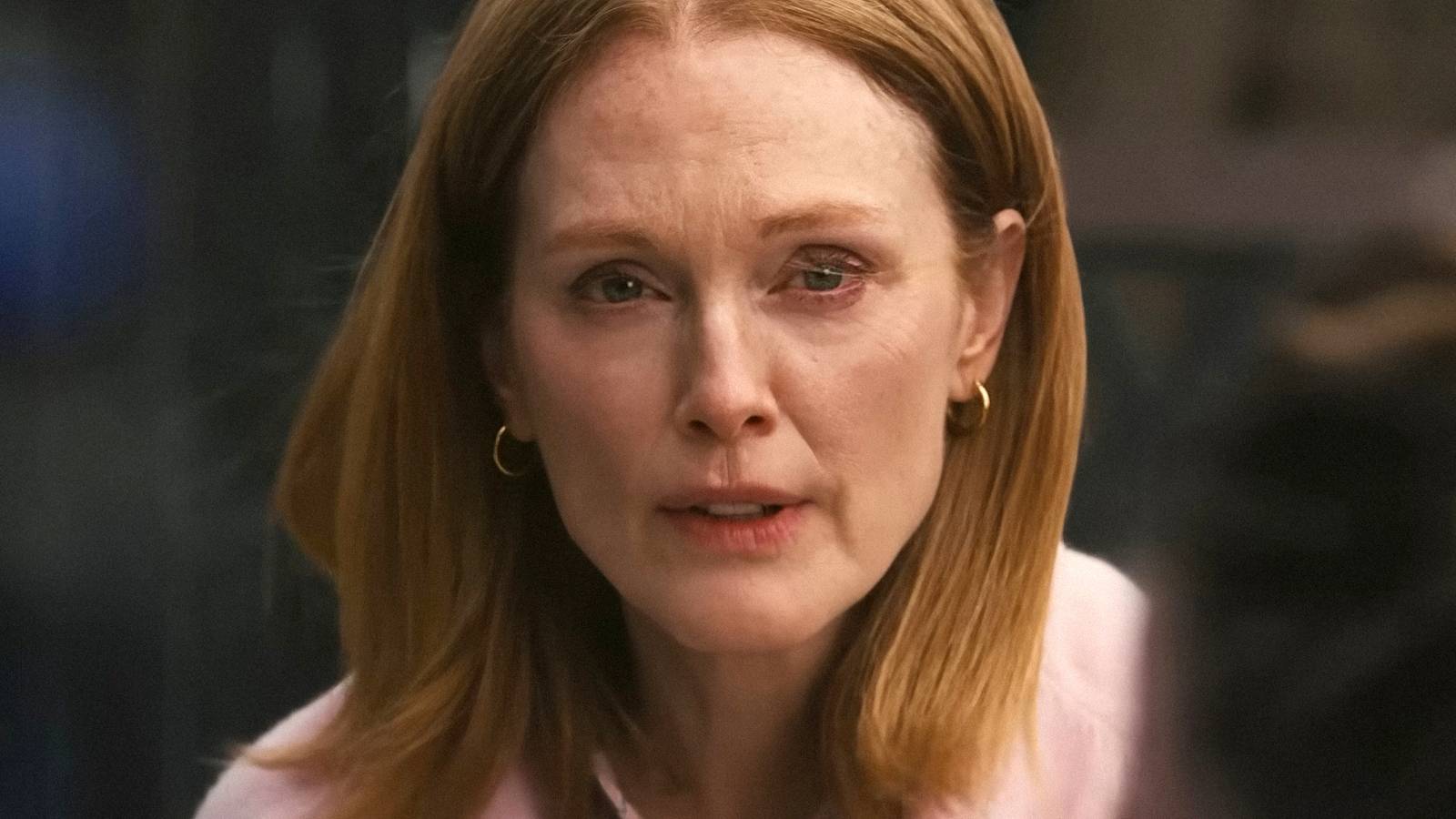
The original Prom Night wasn't a masterpiece, but it had a grubby slasher pulse and understood how adolescent vulnerability and ritual spaces like prom can become pressure cookers for fear. The remake turns all that into hotel-lobby horror. It looks clean, behaves clean, and dies clean. A prom-night slasher should feel feverish and hormonal, like a rite of passage invaded by death. This movie feels like a showroom.
The writing reaches for thriller polish instead of teenage panic. Donna Keppel (Brittany Snow) carries trauma from the start, but the film never lets that trauma shape the night. The killer is obsessive, but his obsession never becomes deranging or memorable. The party itself barely becomes a social ecosystem worth corrupting. If prom is just a backdrop, then killing at prom is just scheduling. A good slasher uses the setting to sharpen humiliation, performance, and exposure. This one just escorts characters through generic suspense beats until it runs out of hallway.
6. 'The Hitcher' (2007)
The original The Hitcher works because John Ryder (Rutger Hauer) feels less like a man than an event—a metaphysical trap on an open highway. The remake, however, sees the road, the handcuffs, and the violence but misses the spiritual sickness underneath. Sean Bean is a terrific actor, but the script reduces Ryder to a more ordinary sadistic pursuer. Once he becomes understandable in the wrong way, the film loses the original's nightmare abstraction.
Sophia Bush gets pulled into the rewrite as the girlfriend, which changes the dynamic but never deepens it. The writing substitutes louder violence and slicker set pieces for the escalating soul-poison of the original. It wants to be nastier and more intense, but it never becomes more disturbing because it has no idea how to make evil feel uncanny. The first movie made the highway feel infinite and morally empty. The remake just gives you another violent chase thriller with a horror skin stretched over it.
5. 'Child's Play' (2019)
This one fails for almost the opposite reason of the others. It tries a new angle: modernizing Child's Play into smart-tech nightmare territory, dropping the voodoo soul-transfer element, and reframing the doll as a corrupted AI companion. On paper, that's not a stupid idea. There's a strong contemporary horror concept buried there—loneliness outsourced to consumer tech, childhood attachment mediated by surveillance capitalism. The movie just never gets that sharp.
The original Child's Play works because Chucky (Brad Dourif) has a filthy, malicious personality from the second the premise kicks in. He's funny because he's a murderer trapped in absurd plastic. In the remake, the doll's threat is more diffuse. He's confused, needy, adaptive, then violent—conceptually interesting but much less instantly combustible as a horror antagonist. The film wobbles between satire, gore-comedy, kid friendship movie, and tech paranoia without ever locking into the ugliest implications of any one of them. Karen Barclay (Aubrey Plaza) brings some offbeat life, and there are a few good kills, but the script never fully proves why this version had to exist beyond 'what if Chucky was an app-era product.' Good pitch. Half-formed movie.
4. 'Day of the Dead' (2008)
Remaking Day of the Dead badly should be difficult, because George A. Romero already handed future filmmakers such a brutal, self-contained dramatic machine: a bunker, a collapsing world above, soldiers and scientists below, fear, authoritarianism, and the slow unraveling of civilization. The 2008 remake throws most of that away. It replaces the original's claustrophobic tension with cheap gore and generic zombie action. The characters are thin, the setting loses its oppressive weight, and the social commentary that made Romero's work so enduring is completely absent. It's a hollow shell that wears the title but has none of the soul.
3. 'The Fog' (2005)
John Carpenter's original The Fog is a masterclass in atmosphere—a slow-burn ghost story where the fog itself feels like a living, vengeful presence. The 2005 remake, directed by Rupert Wainwright, misunderstands that completely. It replaces the original's creeping dread with jump scares and loud, digital effects. The fog no longer feels like a supernatural force; it's just a visual effect. The characters are bland, the story is padded with unnecessary backstory, and the sense of isolation that made the original so effective is lost. It's a textbook example of how to drain all the poetry out of a horror classic.
2. 'A Nightmare on Elm Street' (2010)
This remake had one job: to make Freddy Krueger scary again. The original Freddy was a terrifying blend of child murderer and dream demon, but by the later sequels, he had become a wisecracking pop-culture figure. The 2010 reboot tried to return to the character's dark roots, but it failed miserably. Jackie Earle Haley gives a committed performance, but the script strips Freddy of his dark humor and replaces it with a backstory that tries to explain his evil. The dream sequences lack the surreal, nightmarish quality of the original, and the kills are generic. The movie is grim, joyless, and forgettable—the worst kind of remake.
1. 'The Wicker Man' (2006)
Yes, the original The Wicker Man is from 1973, but its influence on '80s horror is undeniable. The 2006 remake, starring Nicolas Cage, is a disaster of epic proportions. It takes the original's slow-burn pagan horror and turns it into a baffling, over-the-top mess. Cage's performance is famously unhinged, but the script is so poorly constructed that the film never builds any real tension. The ending, which should be chilling, becomes unintentionally hilarious. It's a remake that completely misses the point of the original, replacing subtle dread with absurdity. For fans of classic horror, this is the ultimate insult.
For more on why some horror remakes work and others fail, check out our list of 10 Most Gut-Wrenching TV Episodes of the Decade, Ranked and 80 Years of Thriller Masterpieces: The 10 Best Ranked.