A truly great trilogy finale does more than tie up loose ends. It reaches back into the first film, revealing a wound planted there, deepens it in the second, and then, in the third, knows exactly where to press to make the whole journey hurt, heal, or break in the right way. That's the difference between a satisfying ending and a perfect one. Satisfaction, scale, and fan service are easy. Emotional inevitability is the hard part.
These eight trilogies have that rare quality. Their final chapters understand the debt they owe to the stories that came before. And when they pay it, you feel not relief that it's over, but gratitude that it ended exactly as it should have.
The Dark Knight Trilogy (2005–2012)
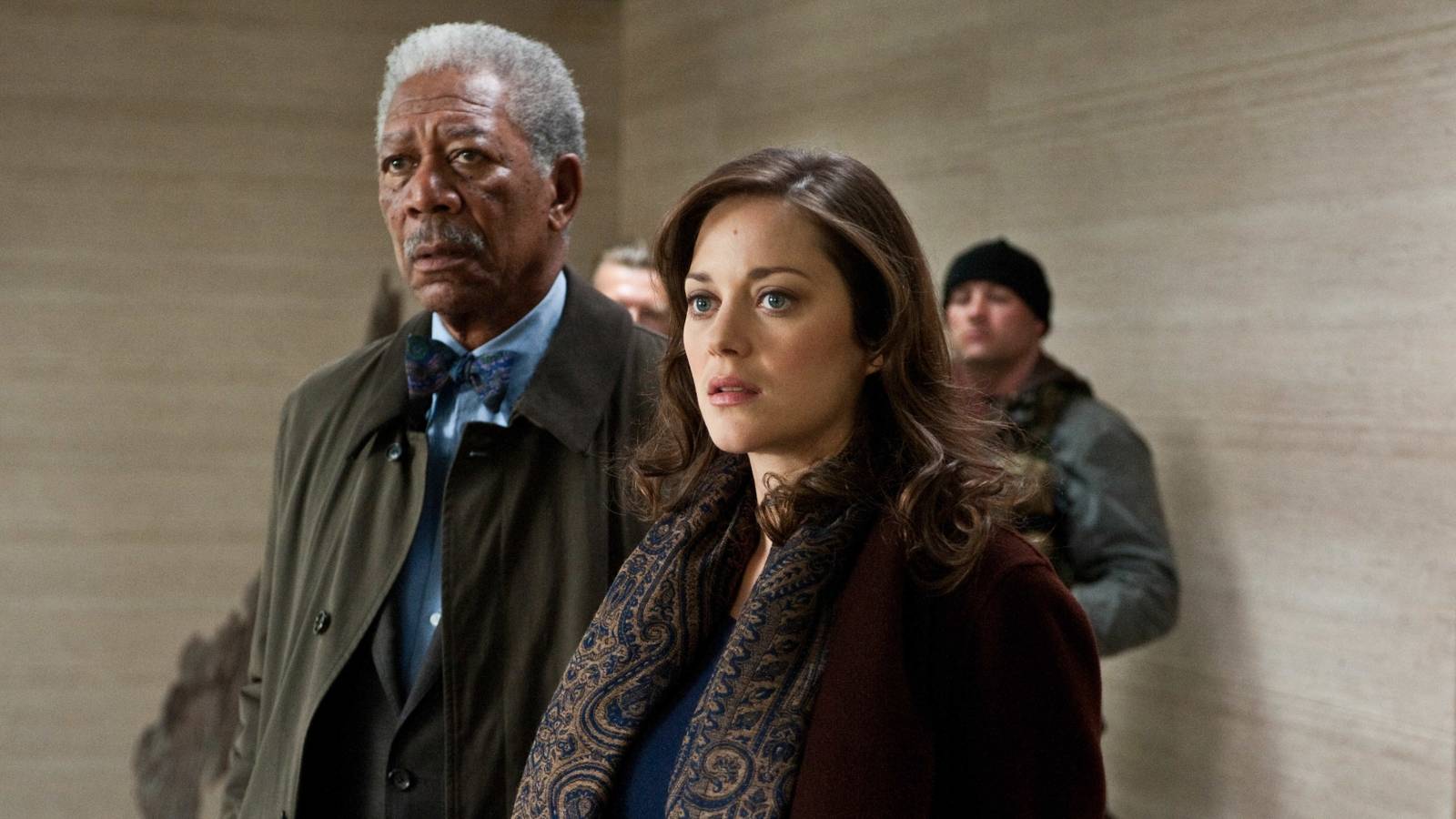
Christopher Nolan's Batman saga is really one long argument about whether Bruce Wayne (Christian Bale) can survive becoming a symbol. Batman Begins isn't just an origin story—it's about a man turning trauma, fear, and guilt into a theatrical weapon. Then The Dark Knight does the brutal middle-chapter work: it proves symbols don't just inspire hope; they attract chaos and impossible moral pressure. By the end of that film, Bruce has already paid more for Batman than most superheroes ever do.
That's why The Dark Knight Rises works, even with its baggy edges. It understands the trilogy can't end with Batman winning again. It has to ask whether Bruce gets to remain human. His broken body, his isolation, Bane's political nightmare—all push toward one answer: the symbol must outgrow the man. So when the film lets Batman become legend and Bruce slip into ordinary life, the trilogy lands on release, not conquest. It leaves you wanting more, teasing with Robin (Joseph Gordon-Levitt) and then letting go.
Fear Street Trilogy (2021)
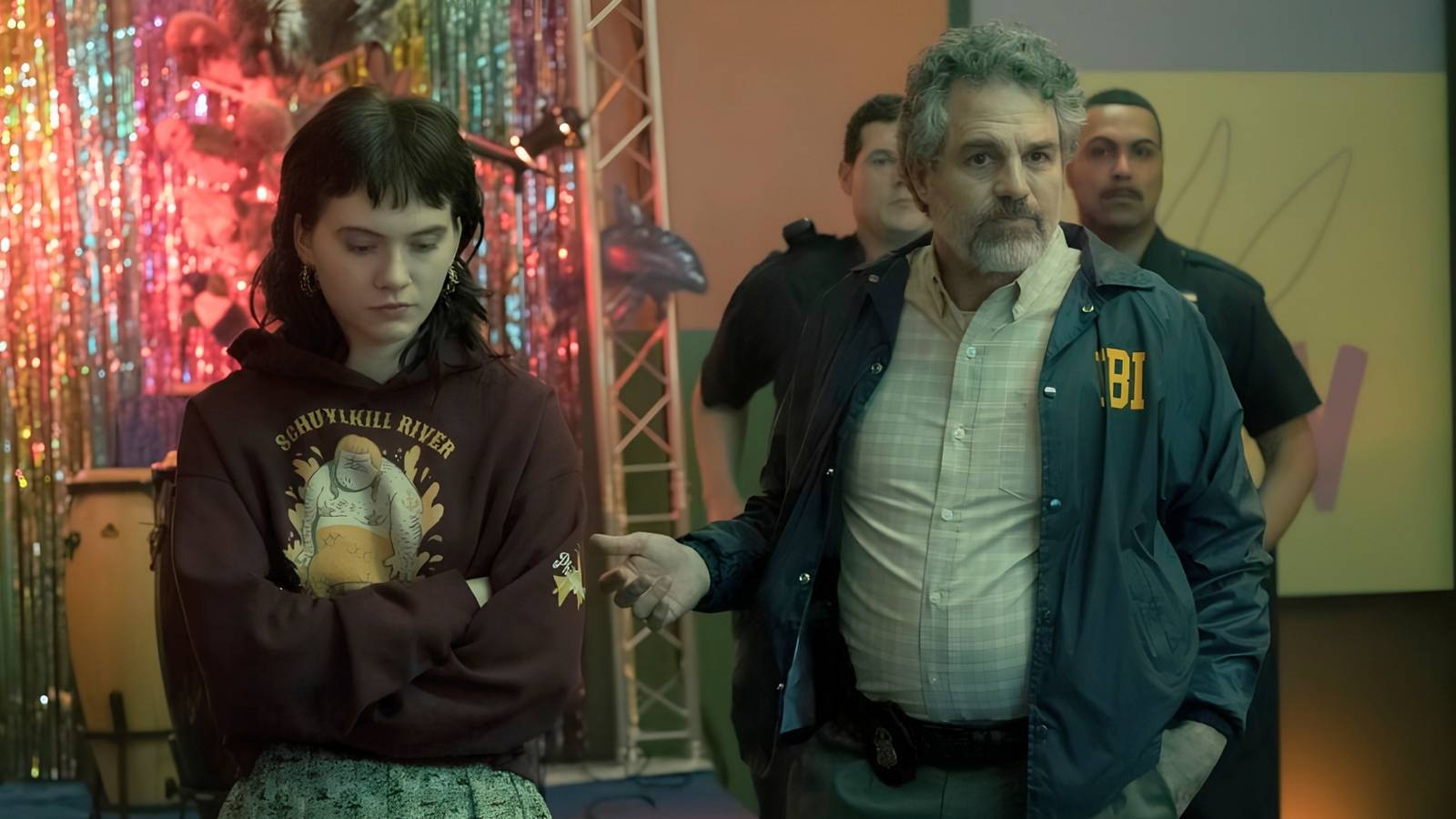
The Fear Street trilogy ends perfectly because each film changes the meaning of the one before it. Part One: 1994 is a gloriously fast, blood-spattered slasher about a cursed town. Part Two: 1978 goes backward into campfire-memory mode, giving the curse emotional weight—the killings become inherited trauma, youth cut down mid-life. That second film gives the trilogy ache.
Then Part Three: 1666 does what a great final chapter should: it exposes the original lie. Sarah Fier (Kiana Madeira) stops being legend and becomes history, revealing a story about stolen blame and generational suffering. The return to 1994 in the back half feels like historical correction. The trilogy began as 'there is a curse.' It ends as 'here is who built it, who profited, and what it cost.' That's tremendous final-film work.
Star Wars Original Trilogy (1977–1983)
The original Star Wars trilogy ends perfectly because it's not really about winning a war—it's about myth becoming family pain. Star Wars gives you the clean heroic ignition, with Luke, Han, Leia, and Vader as archetypes so vivid they seem eternal. Then The Empire Strikes Back performs one of the greatest second-film turns: it makes the myth intimate and wounding. Vader stops being merely villainous and becomes inheritance.
That's why Return of the Jedi is such a perfect conclusion. The actual ending lives in the throne room: Luke, Vader, and the Emperor are the trilogy in miniature—rage, legacy, temptation, redemption. Luke wins not by becoming harder than his father but by refusing to become him. Vader's turn lands because the earlier films planted the tragedy needed for that mercy to matter. The pyre, the celebration, the spirits—the trilogy feels complete because the father-son wound finally found its end.
Before Trilogy (1995–2013)
The Before trilogy ends perfectly because it never pretends love is one thing for very long. Before Sunrise is pure possibility—the exhilarating intimacy of meeting someone who unlocks parts of your mind. Before Sunset is the ache of missed time and the risk of reconnection. And Before Midnight is the hard, honest work of staying together. Each film builds on the last, and the finale doesn't offer a fairy-tale resolution—it offers a real one, messy and true.
For more on trilogies that deliver, check out our list of 3 Movie Trilogies That Are More Fun Than 'The Lord of the Rings'.
Other Perfect Endings
The list also includes The Lord of the Rings, Three Colors, Cornetto Trilogy, and Planet of the Apes (reboot). Each one understands that a great finale doesn't just close a story—it transforms everything that came before, leaving you grateful for the journey.
If you're in the mood for more cinematic perfection, check out Film Noir's Finest: 10 Movies with Perfectly Crafted Screenplays or Forgotten Sci-Fi Gems: 8 Movies with Perfect Screenwriting.