High fantasy whisks us away to sprawling, invented realms, but there's a special kind of magic in stories that bring the fantastical right to our doorstep. Low fantasy—where the supernatural intrudes on our familiar world—offers a unique thrill. The best of these shows don't just sprinkle in a few spells; they build a coherent, believable magic system that shapes every character and conflict. Here are seven low fantasy TV shows that get their magic systems just right, ranked.
7. The Vampire Diaries (2009–2017)
Based on L.J. Smith's novels, The Vampire Diaries drops us into Mystic Falls, Virginia, where grieving teenager Elena Gilbert (Nina Dobrev) finds herself drawn to the mysterious new student Stefan Salvatore (Paul Wesley). But Stefan and his brother Damon (Ian Somerhalder) are vampires—and they're just the beginning of the town's supernatural population.
The show's magic system is a masterclass in expanding lore. It takes classic vampire rules and adds clever twists: daylight rings that let vamps walk in the sun, the ancient and nearly unkillable Originals, and the whole doppelgänger mythology. Every rule has a consequence, and the series explores them with consistent logic, making the impossible feel plausible.
6. Percy Jackson and the Olympians (2023–Present)
Rick Riordan's beloved books come to life in this Disney+ series, following 12-year-old Percy Jackson (Walker Scobell) as he discovers he's a demigod—the son of Poseidon. When monsters start hunting him, he's taken to Camp Half-Blood, where he learns that the Greek gods are real and very much involved in modern life.
The magic system here is a brilliant blend of ancient myth and contemporary reality. The gods have adapted to the modern world, and their powers are woven into everything from weather to pop culture. The show keeps the existence of this magical layer a secret from most mortals, but it's always there, humming beneath the surface—a perfect example of low fantasy worldbuilding.
5. What We Do in the Shadows (2019–2024)
This mockumentary, based on the 2014 film, follows four vampires and their human familiar living in Staten Island. Nandor (Kayvan Novak), Laszlo (Matt Berry), Nadja (Natasia Demetriou), and energy vampire Colin Robinson (Mark Proksch) navigate the mundane challenges of modern life while dealing with the quirks of their undead existence.
The show's magic system is both hilarious and surprisingly rigorous. It explores the rules of vampirism with deadpan logic—like how the vampires have ghost counterparts because they died when they were turned. It also expands the world to include other supernatural beings, and the vampires' attempts to organize their local council are comedy gold. It's a masterclass in making magic feel both absurd and consistent.
4. Pushing Daisies (2007–2009)
In a whimsical, storybook version of our world, Ned (Lee Pace) runs a pie shop and keeps a dangerous secret: he can bring the dead back to life with a touch. But there are rules—if the revived person stays alive for more than a minute, someone else dies, and if he touches them again, they're gone for good.
This is a magic system with real stakes. Ned uses his power to help a private investigator solve murders, but the constraints of his ability create constant tension. The show's visual style and narration make the magic feel like a fairy tale, but the rules are ironclad, and the emotional consequences are deeply human.
3. The Good Place (2016–2020)
While not a traditional fantasy, The Good Place is a brilliant low fantasy show that builds an entire afterlife system. Eleanor Shellstrop (Kristen Bell) wakes up in the Good Place, but she quickly realizes she's there by mistake. The show's magic—or rather, its cosmic mechanics—are governed by a point system that determines who gets into the Good Place or the Bad Place.
The genius of this system is that it's constantly being questioned and refined. As the characters learn the rules, they also learn how unfair and broken they are. The show uses its magic system to explore deep philosophical questions about ethics and what it means to be good. It's a perfect example of how a well-defined magical framework can drive both plot and theme.
2. Supernatural (2005–2020)
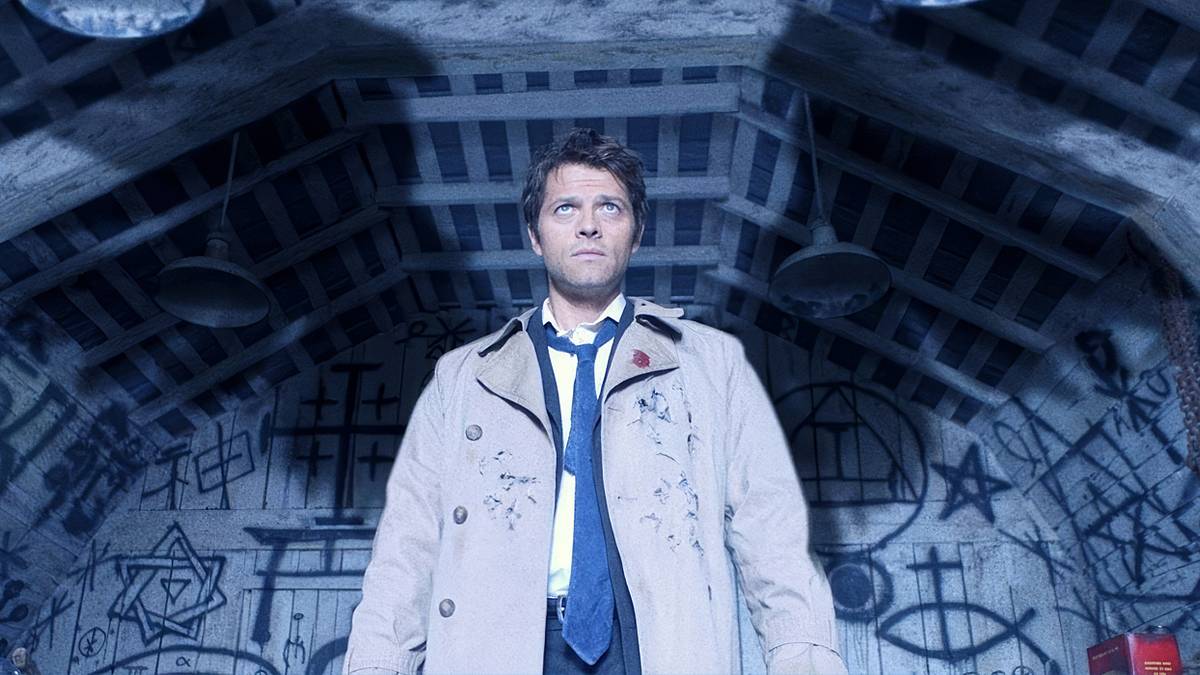
For 15 seasons, Supernatural followed brothers Sam and Dean Winchester as they hunted monsters, demons, and gods across America. The show's magic system is vast, drawing from folklore, urban legends, and religious mythology, but it's always grounded in a set of rules: salt, iron, holy water, and the right incantation.
What makes it perfect is its consistency. The lore is deep and detailed, with each creature having specific weaknesses and each spell having costs. The show also explores the hierarchy of heaven and hell, with angels and demons operating under strict protocols. It's a world where magic is dangerous, and the brothers pay the price for using it.
1. Buffy the Vampire Slayer (1997–2003)
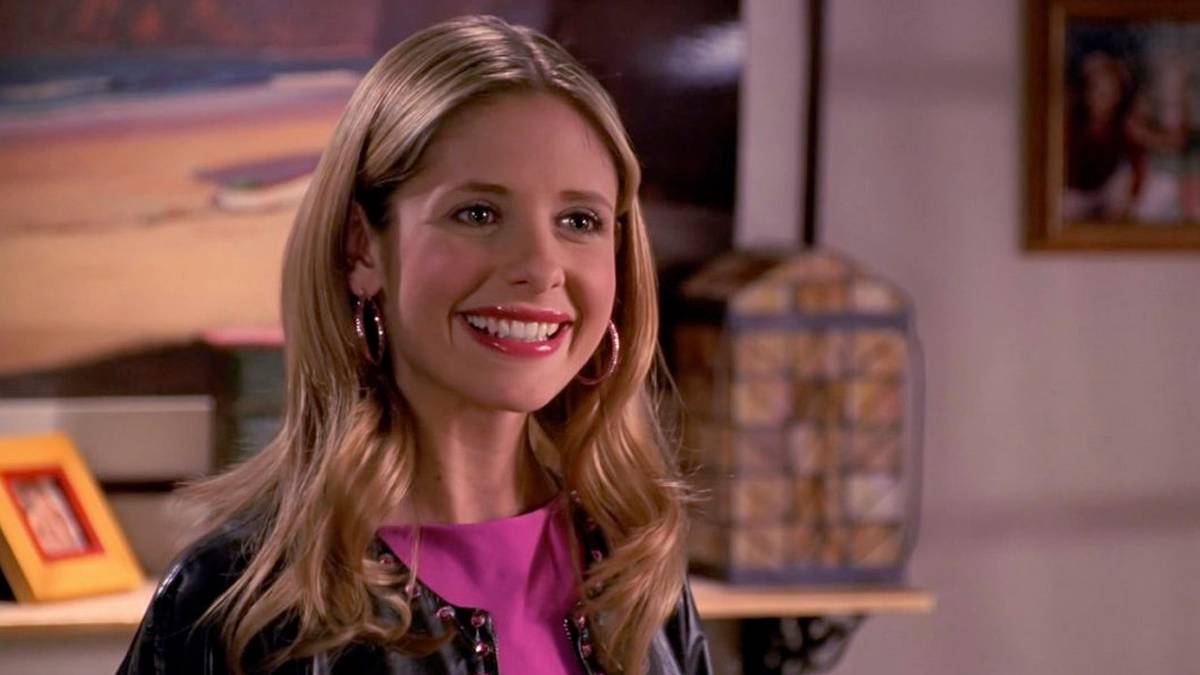
Joss Whedon's iconic series remains the gold standard for low fantasy. Buffy Summers (Sarah Michelle Gellar) is the Slayer, a chosen one with superhuman strength who battles vampires, demons, and other forces of darkness in the fictional town of Sunnydale. The show's magic system is deceptively simple: there's a Slayer, there are vampires, and there are demons, each with their own rules.
But the series expands its lore with each season, introducing slayers, watchers, witches, and a whole demon dimension. The magic is always tied to consequences—spells have costs, and power corrupts. It's a system that feels organic and lived-in, and it's the reason the show remains so beloved. If you're looking for a low fantasy series with a magic system that truly works, Buffy is the one to beat.
These shows prove that the best fantasy isn't always about escaping to another world—sometimes it's about finding the magic in our own. For more on the genre, check out our list of high fantasy gems that only got better with time, or dive into everyday magic in slice-of-life books. And if you're in the mood for a vampire fix, see what Jeff Hiller is up to in 'Eternally Yours'.