High fantasy has given us towering classics, but the genre is also littered with cult favorites, overlooked treasures, and quiet masterpieces that never quite got their due. Some were buried under bigger series; others burned bright for a while and then faded from the spotlight. Yet a handful of these books have done something remarkable: they've gotten better with age, their themes sharpening and their choices feeling more radical with every passing year.
Below are eight high fantasy novels that deserve a fresh look. They may not be the first titles that come up in fantasy circles today, but they've aged like fine wine—and they prove that a great fantasy book can keep revealing new depths long after its initial release.
The Stone and the Flute (1983) by Hans Bemmann
German author Hans Bemmann's sprawling standalone opens with a simple premise: a young man named Listener acquires magical objects, only to learn that power without wisdom is a dangerous thing. What starts as a traditional quest slowly unfurls into something stranger and more contemplative, following Listener through years of mistakes, relationships, and hard-won growth. That patient, surreal approach is exactly why the novel has aged so well. Listener is no chosen one—he's naive, self-centered, and deeply human, and his internal struggles feel more real than any sword-and-sorcery battle.
The Forgotten Beasts of Eld (1974) by Patricia A. McKillip
Long before morally complex sorceresses became a staple of modern fantasy, McKillip gave us Sybel: fiercely independent, living apart from humanity with a menagerie of legendary creatures she has summoned. When she takes in an infant named Tamlorn, she's dragged into the politics of a world she'd deliberately avoided. Betrayal sends her down a dark, psychological path of revenge. More than fifty years later, surprisingly little about this book feels dated. Sybel is powerful without being a generic warrior, and McKillip packs profound themes—love, vengeance, autonomy—into a lean 200 pages. It's a masterclass in economy and emotional depth.
Midnight Over Sanctaphrax (2000) by Paul Stewart and Chris Riddell
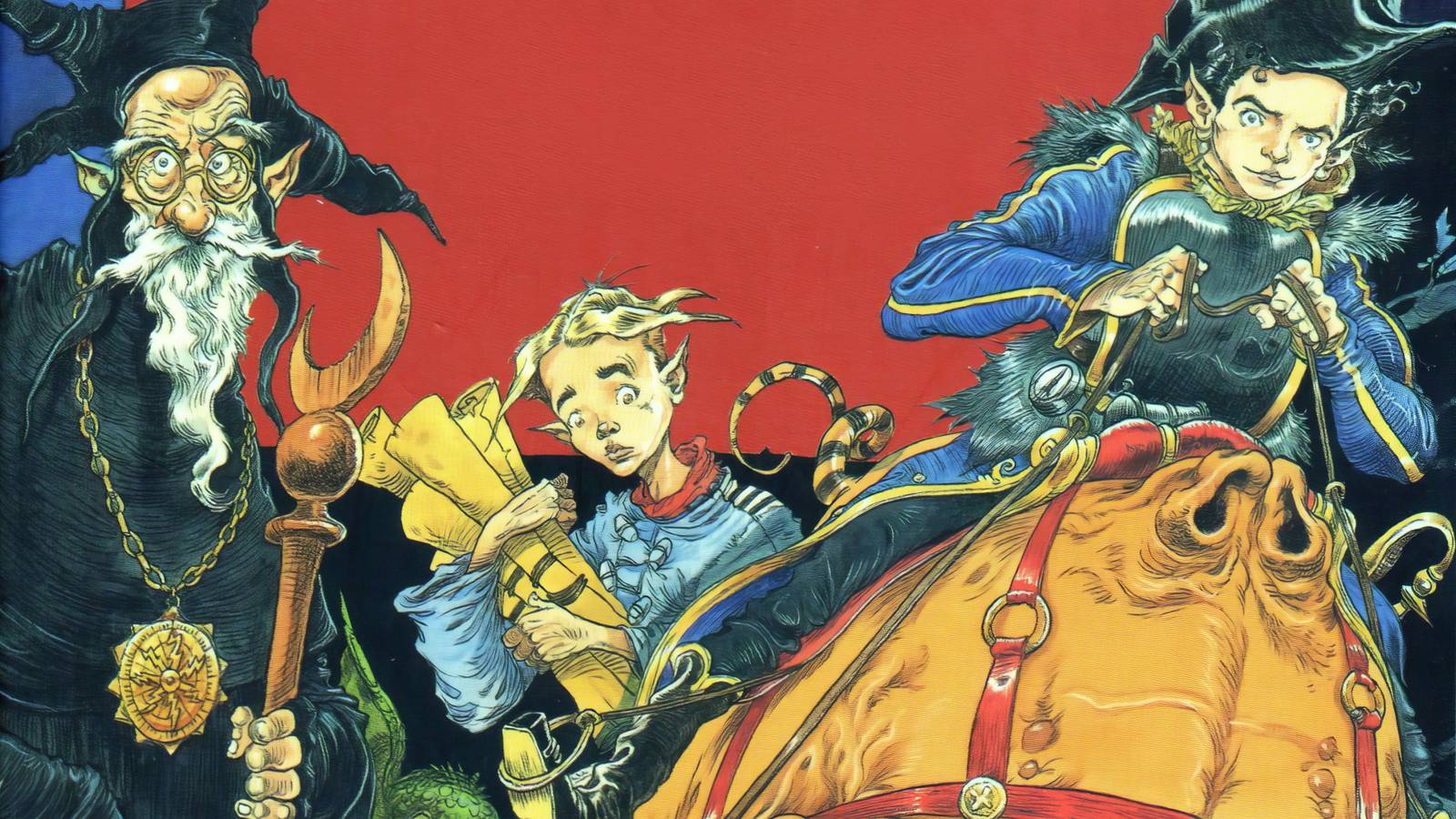
This might be the finest entry in the Edge Chronicles, though it rarely comes up in discussions of great children's fantasy. Set in a world of floating rocks, sky pirates, and sentient forests, it follows young Twig as he searches for his missing father while a monstrous storm threatens everything. It's a story that grapples with loss and growing up, and its boundless imagination—brought to life by Chris Riddell's grotesque illustrations—has aged beautifully. The series sold well in its time but never became a mainstream phenomenon; today, its inventiveness stands out even more.
The Farthest Shore (1972) by Ursula K. Le Guin
The original Earthsea trilogy is hardly forgotten, but its final volume has always lived in the shadow of A Wizard of Earthsea. Here, Le Guin returns to Ged years later, now an older Archmage, as magic begins to vanish from the world. He journeys with young prince Arren to find the cause, but the tale that follows is less a battle against evil than a meditation on mortality. Ged is no longer a reckless boy; he's a man approaching the moment when even his power must be surrendered. The desire to escape death is the book's central concern, and Le Guin treats the acceptance of life's limits as essential to living meaningfully.
Lord Foul's Bane (1977) by Stephen R. Donaldson
Thomas Covenant is a novelist with leprosy, alienated from society and obsessed with managing his condition. When an accident transports him to a beautiful fantasy realm, he refuses to believe any of it is real—and his resulting behavior includes an appalling act that has made the book controversial ever since. Yet that ugliness is part of what makes Lord Foul's Bane such an unusual artifact of 1970s high fantasy. Decades before grimdark became a subgenre, Donaldson asked what happens when the person transported to an enchanted world is catastrophically unsuited to saving it. It's a bold, uncomfortable break from convention that still provokes debate.
The Worm Ouroboros (1922) by E. R. Eddison
Published more than a century ago, this is the oldest book on our list—and perhaps the most influential on later writers like Tolkien and C. S. Lewis. Eddison's tale of war and intrigue between the lords of Demonland and the sorcerer-king Gorice XII is written in a deliberately archaic, Jacobean prose that can be challenging but rewards patience. Its epic scope, moral complexity, and sheer linguistic invention have aged remarkably well, even if the book rarely tops modern best-of lists. For readers who love the roots of high fantasy, it's essential.
These eight novels share a common thread: they took risks, subverted expectations, and trusted their audiences to handle difficult themes. In a genre often obsessed with the new, they remind us that some stories only improve with time. So if you're looking for your next great read, consider giving these forgotten gems a second life. You might find that they speak to you more powerfully now than they ever could have upon release.