Fantasy movies and TV shows are great, but the genre truly thrives in video games. The real fun comes in when players actually get to step into expansive worlds and fight off mythical beasts themselves. That level of immersion really is the key to the genre's success, and the reason why video games have produced some of the greatest fantasy stories over the years.
Of course, everyone knows the big players like World of Warcraft, The Elder Scrolls, and The Witcher 3. However, there are plenty of overlooked fantasy video games that failed to garner the attention they truly deserve. This is a list of six such perfect fantasy titles that somehow slipped through the cracks, but are absolutely worth rediscovering today.

1. Arx Fatalis (2002)
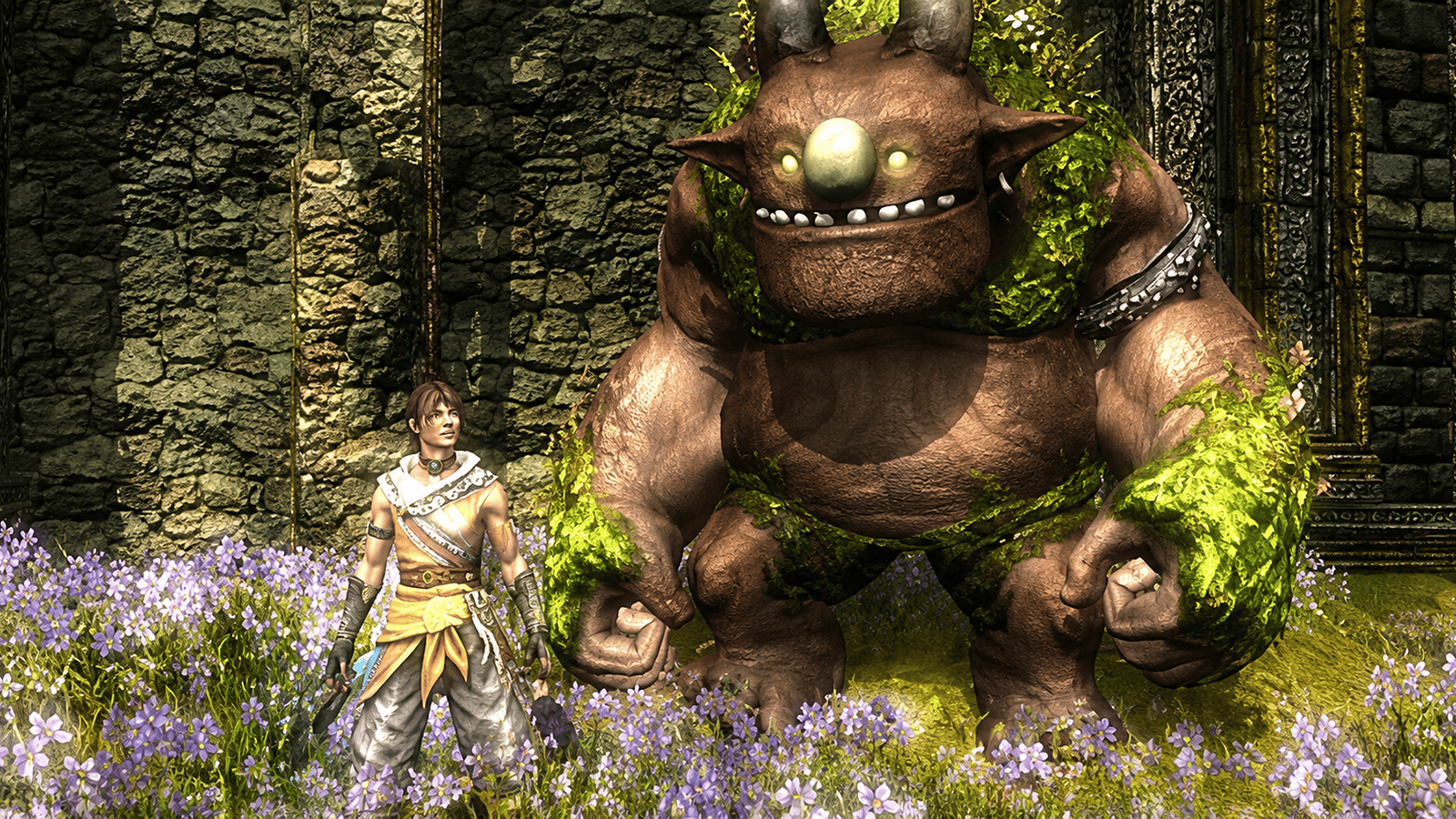
Arx Fatalis is one of the most underrated fantasy RPGs. The game, developed by Arkane Studios before Dishonored and Prey, takes place in a world where the sun has mysteriously disappeared. This forces humanity and every other race to abandon the surface and build a sprawling underground kingdom known as Arx. However, this uneasy coexistence among humans, goblins, trolls, dwarves, and snake women won't last long. The game begins with the player waking up inside a goblin prison with no memory of who they are, and after escaping, they begin piecing together their forgotten past. That journey slowly expands into a bigger conflict as an ancient force known as Akbaa threatens to emerge and destroy the underground world.
Arx Fatalis stays true to the rules of its genre and gives its players freedom. Every obstacle in the gameplay can be approached in multiple ways, thanks to Arx Fatalis's brilliant rune-based magic system, where spells are cast by drawing combinations of magical symbols instead of simply selecting them from a menu. All of this feels remarkably interactive for a game released in 2002. Players can take a break from the central conflict to bake bread, fish for food, and solve plenty of side quests rather than following a single, predictable path. This makes for an immersive, rewarding experience that players can't help but keep coming back to.
2. Dark Messiah of Might and Magic (2006)
Dark Messiah of Might and Magic deserves to be mentioned alongside the genre's biggest first-person fantasy classics, and it's a shame that it isn't. The game, developed by Arkane Studios, follows a young warrior and apprentice to the wizard Phenrig Sareth, as he is sent to the city of Stonehelm to recover the legendary Skull of Shadows. The retrieval mission isn't as simple as it seems, though, because soon enough, Phenrig embarks on a continent-spanning adventure involving necromancers, orc armies, ancient prophecies, and a growing demonic influence. Along the way, the protagonist discovers that he is far more connected to the conflict than he ever imagined and is forced to choose between embracing the darkness within him or fighting to prevent it from consuming the world.
Dark Messiah of Might and Magic really shines in its combat, which still feels pretty modern almost two decades later. The game constantly rewards creativity and encourages players to think out of the box rather than just trade blows with enemies. Players actually have the freedom to develop Sareth as a warrior, rogue, or mage, with each approach offering a completely different way to tackle encounters. Few fantasy games make every fight feel this dynamic, and that's exactly why Dark Messiah of Might and Magic needs way more appreciation than it gets.
3. Folklore (2007)
Folklore is a PlayStation 3 exclusive that has to be on everyone's radar. The fantasy action RPG follows two strangers who are mysteriously drawn to the quiet Irish village of Doolin. There's Ellen, a young woman searching for the truth about her late mother, and Keats, a journalist who investigates paranormal phenomena. After arriving, the pair discover that the village serves as a gateway to the Netherworld, a mystical realm inhabited by spirits and creatures from Celtic folklore. Ellen and Keats travel between the two worlds as they investigate murders and speak with the dead. However, this adventure leads them to a mystery that might just define the fate of both the living and the dead.
Now, the clever part of the game is that each protagonist experiences different sides of the same story, which means the full picture only comes into focus once both campaigns are complete. This helps Folklore feel more exciting than any other typical RPG fantasy game. Folklore makes brilliant use of its Celtic mythology to create a Netherworld that feels mysterious, melancholic, and unlike anything else in the genre. It also lets players build a growing arsenal of supernatural abilities that can be mixed and matched in combat. The game creates an imaginative world that draws people in and immerses them in this rich fantasy until the very end.
4. Black Book (2020)
Black Book is a truly unique fantasy game that draws from Slavic myths, rural superstitions, and centuries-old folklore to create one of the genre's most distinctive worlds. The game is set in 19th-century rural Russia and follows Vasilisa, a young woman who becomes a witch after her fiancé dies under mysterious circumstances. To save his soul, she must travel through the Russian countryside, collecting pages of a magical black book while battling evil spirits and making moral choices that shape her journey. The game blends card-based combat with point-and-click adventure elements, and its hand-drawn art style brings the folklore to life in a hauntingly beautiful way. Black Book is a hidden gem that deserves far more recognition for its storytelling and atmosphere.
5. Kingdoms of Amalur: Reckoning (2012)
Kingdoms of Amalur: Reckoning is a sprawling open-world RPG that was unfortunately overshadowed by bigger releases at the time. The game takes place in the fantasy world of Amalur, where the fate of the land is tied to the threads of destiny. Players take on the role of the Fateless One, a being who can alter fate itself, and must unravel a conspiracy involving warring factions, ancient gods, and a mysterious plague. The combat is fluid and action-oriented, allowing players to switch between different weapon types and magical abilities on the fly. With its vibrant art style, deep lore, and satisfying gameplay, Kingdoms of Amalur: Reckoning is a forgotten gem that deserves a second look.
6. Vampire: The Masquerade – Bloodlines (2004)
Vampire: The Masquerade – Bloodlines is a cult classic that blends urban fantasy with horror and political intrigue. Set in modern-day Los Angeles, the game follows a newly turned vampire who must navigate the treacherous politics of the vampire underworld while uncovering a conspiracy that threatens to expose the existence of vampires to the human world. The game features multiple clans with unique abilities, branching dialogue, and multiple endings based on player choices. Despite its buggy release, Bloodlines has gained a dedicated fanbase over the years and is considered one of the best RPGs of its era. It's a perfect example of a fantasy game that was ahead of its time and deserves to be remembered.
These six fantasy video games may have been overlooked upon release, but they offer rich worlds, compelling stories, and innovative gameplay that still hold up today. Whether you're a fan of classic RPGs or looking for something new to dive into, these hidden gems are well worth your time. For more on the best in entertainment, check out our list of the 6 greatest sci-fi video games of all time.