Comic books have a tricky relationship with death. Too often, a character's demise is just a shock tactic, reversed within a few issues. But every so often, a death comes along that genuinely reshapes the entire landscape of the medium. These aren't just sad moments—they're seismic shifts that redefine heroes, villains, and the very rules of storytelling.
From the tragic loss of Uncle Ben to the shocking murder of a beloved love interest, these deaths left scars that still influence comics today. Here are 10 comic book deaths that changed the medium forever.
Superman (Clark Kent)
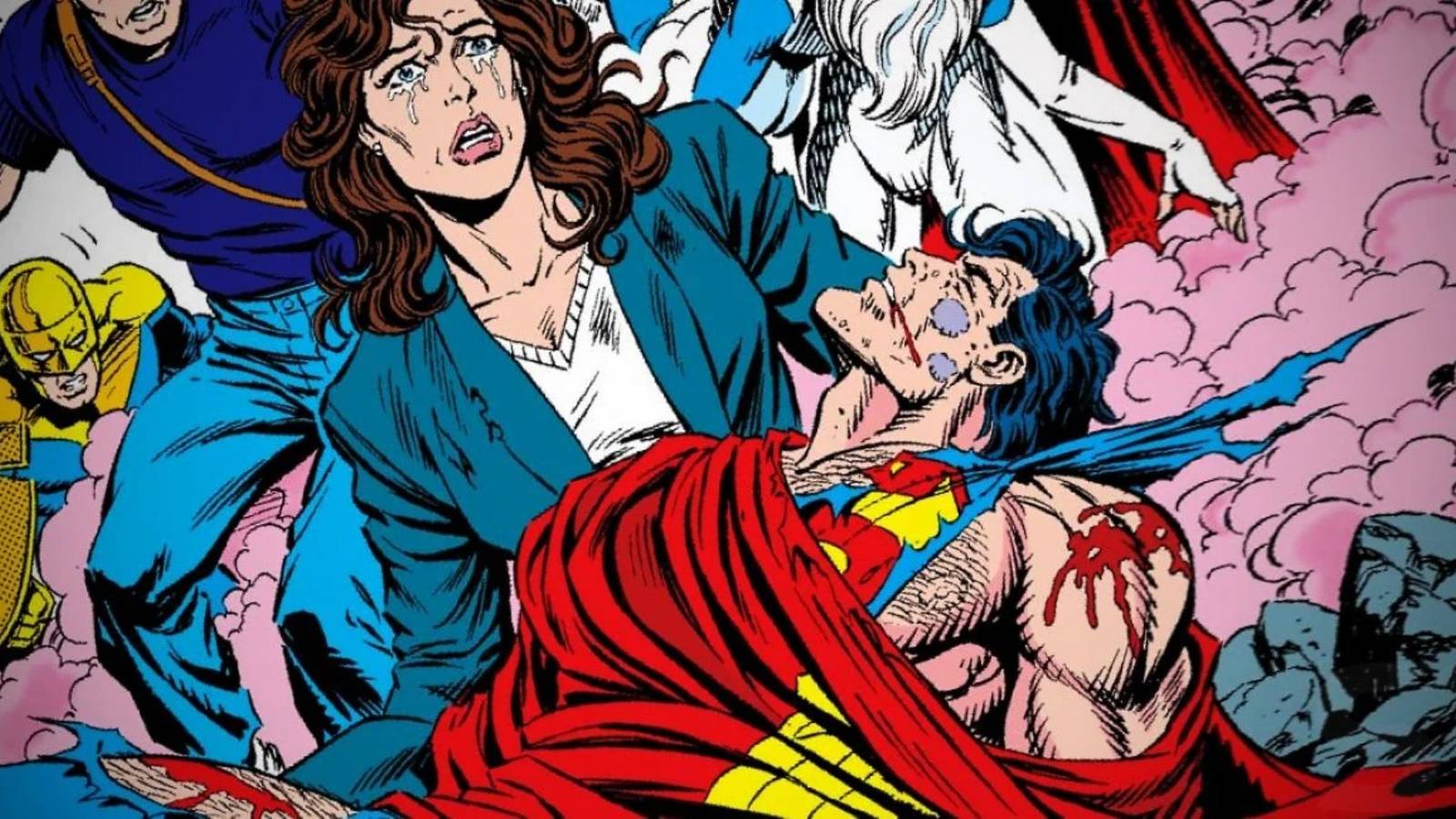
When Superman faced the monstrous Doomsday in Superman #73 (1993), no one believed the Man of Steel could actually fall. But he did, and the impact was immediate. This wasn't just a death—it was a cultural event. The story, recreated in films like Batman v Superman: Dawn of Justice and TV's Superman & Lois, forced readers to confront what a world without its greatest hero would look like. In his absence, four replacement Supermen emerged: Steel, the Eradicator, Cyborg Superman, and Superboy (Conner Kent). The death reshaped the DC Universe and proved that even icons can be mortal.
Captain Marvel (Mar-Vell)
Unlike most superhero deaths, Mar-Vell's end wasn't caused by a villain or an explosion. The original Captain Marvel died of cancer. This quiet, heartbreaking demise in Marvel Comics showed that even the mightiest heroes aren't immune to real-world tragedies. It was a stark reminder that death doesn't always come with a bang—sometimes it's a slow, inevitable fade. The Marvel universe could only watch, helpless.
Alexandra DeWitt
One of the most infamous deaths in comic history, Alexandra DeWitt was the girlfriend of Green Lantern Kyle Rayner. In Green Lantern #54 (1994), she was murdered, dismembered, and stuffed into a refrigerator. The brutality sparked outrage and led writer Gail Simone to coin the term "fridging"—a trope where female characters are killed off to motivate male heroes. This death changed how the industry talks about representation and violence, and the term remains a critical part of comic discourse today.
Robin (Jason Todd)
Jason Todd's death is unique because it was decided by the fans. In Batman #427 (1988), readers could call two phone numbers to vote on whether the second Robin lived or died. By a margin of just 72 votes out of over 10,000, Jason was killed by the Joker. This fan-driven tragedy later led to the acclaimed "Under the Red Hood" storyline, which resurrected Jason as a complex anti-hero. It's a death that not only changed a character but also the way comics engage with their audience.
The Flash (Barry Allen)
Barry Allen's death in Crisis on Infinite Earths (1985-1986) was a sacrifice that saved the multiverse. He ran so fast he disintegrated, and he stayed dead for 23 real-world years. His absence allowed Wally West to step into the role of the Flash, leading to some of the best stories in DC history. When Barry finally returned, it was one of the most triumphant comebacks ever. This death proved that sometimes, a hero's end can elevate the legacy of those who follow.
Ultimate Spider-Man (Peter Parker)
In the Ultimate Marvel Universe, Peter Parker's death was a gut punch. After years of beloved stories by Brian Michael Bendis, Peter died saving his Aunt May, whispering, "Uncle Ben, I couldn't save him... but I saved you." This tragic end paved the way for Miles Morales, who has since become a global icon in comics and film. Peter's death wasn't just an ending—it was a new beginning for the Spider-Man legacy.
Captain America (Steve Rogers)
The Civil War crossover shook Marvel to its core, and its climax was the assassination of Steve Rogers. Captain America's death was a political statement, a commentary on heroism and sacrifice. It forced the Marvel universe to question its values and led to Bucky Barnes taking up the shield. Steve's death was a turning point that redefined what it means to be a symbol of freedom.
These deaths are more than just plot points—they're milestones that changed how we think about heroes, loss, and the stories we tell. For more on how comic book deaths have shaped modern storytelling, check out our guide to essential Spider-Man comics and our ranking of the best Robins in DC Comics.