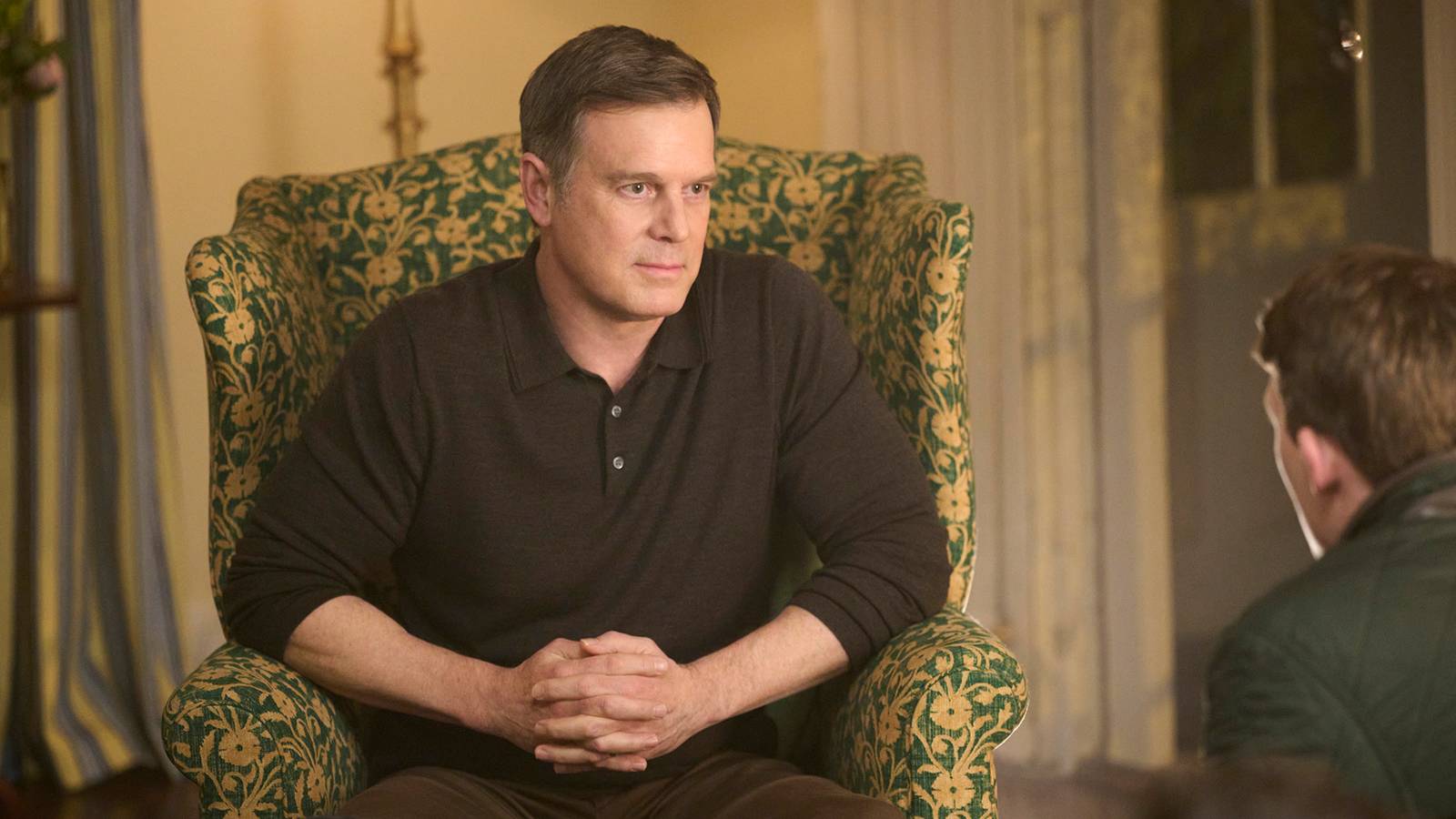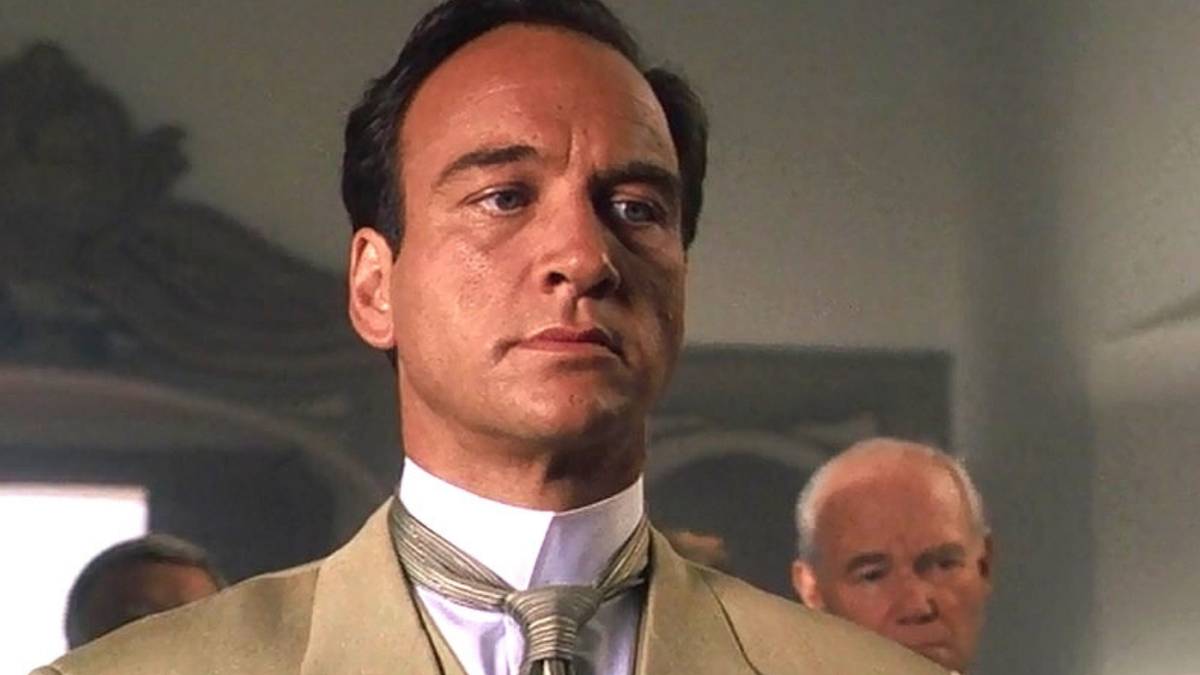
In the early '90s, television was a wild frontier. While everyone remembers Twin Peaks as the show that shattered conventions, a handful of other series were quietly experimenting with the same strange energy—and many of them slipped through the cracks. One of the most fascinating is Wild Palms, a five-hour sci-fi thriller miniseries that aired on ABC in 1993. It was too weird for its time, too ambitious for network TV, and it never quite found an audience. But three decades later, it feels eerily like a prophecy.
A World Built on Unease
The premise sounds simple: a powerful media conglomerate called Wild Palms is pushing a virtual reality system, while a shadowy political group called the Fathers, led by Senator Tony Kreutzer (Robert Loggia), aims to reshape society through technology. At the center is Harry Wyckoff (James Belushi), an ad man who stumbles into a conspiracy far bigger than any campaign. But Wild Palms doesn't spoon-feed you explanations. Instead, it drops you into a world where nothing is quite clear, and the line between reality and simulation blurs from the first episode.
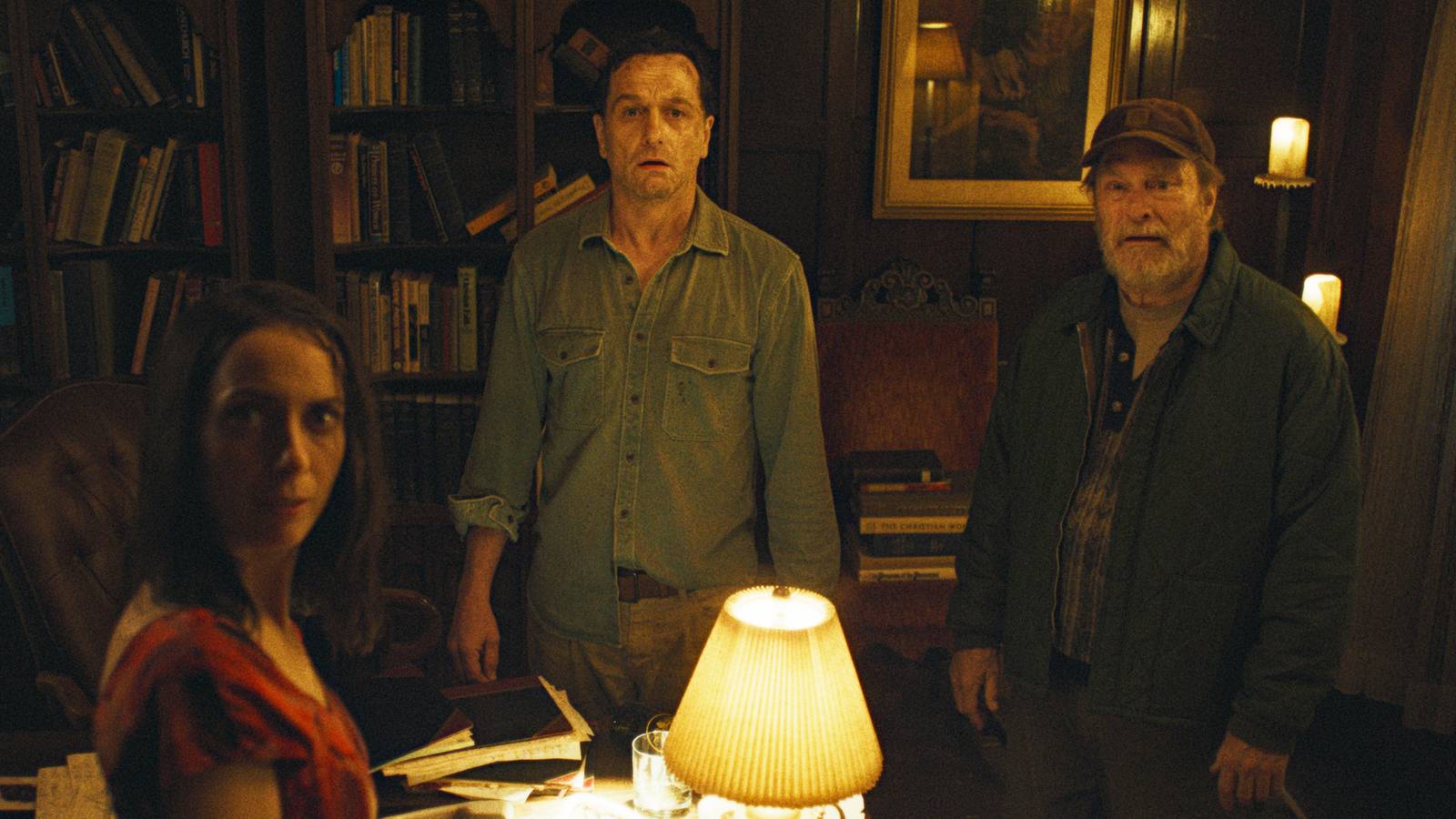
In the opening chapter, “Everything Must Go,” Harry is just trying to land a client. Then he's in a room with Kreutzer, who casually talks about the Fathers as if everyone already knows what they are. Harry is the only one asking questions—and the show never fully answers them. That ambiguity is the point.
VR Before It Was Real
The miniseries dives headfirst into virtual reality, long before Oculus or PlayStation VR made it a household concept. In one standout episode, “The Floating Man,” characters use Wild Palms tech to enter immersive experiences that don't always match what's happening around them. Watching someone react to a world that isn't there—while others observe—was eerie in 1993. Today, it's a familiar sight. Wild Palms didn't explain the tech; it just let the unease settle in.
This approach mirrors the disorienting style of Twin Peaks, but where that show chased a single mystery, Wild Palms builds an entire system of media, technology, and control. It forces you to sit in the discomfort of not knowing what's real, and that's exactly what makes it so compelling now.
Too Ahead of Its Time
In 1993, the internet wasn't yet shaping daily life, and the idea of technology as a manipulative force was more sci-fi curiosity than genuine concern. A show about media control and perception felt highbrow and demanding—too much thinking for a general audience. The series also refuses to give you a single thread to follow. Harry juggles his job, his family, and the Fathers' agenda, and none of those threads ever cleanly separate. In “Rising Sons,” his son Coty (Ben Savage) gets pulled into the system in ways no one can control, and the story becomes a pile-up of problems rather than a neat mystery.
Watching Wild Palms now, the ideas don't feel distant. A media company shaping perception, tech altering reality, people getting swept up before they understand it—that's not a far-off concept anymore. It's our daily news cycle. For fans of Netflix's Dark or other mind-bending thrillers, this miniseries is a must-see.
A Hidden Gem Worth Revisiting
Wild Palms offers no clean answers, no wrapped-up conclusion—just the sense that this thing keeps going whether you understand it or not. It was too weird for the '90s, but it's exactly the kind of show that resonates today. If you're looking for a sci-fi thriller that predicted the future long before it was believable, this is it. And if you're hungry for more overlooked gems, check out our list of 6 Overlooked Thriller Series That Only Get Better With Time.