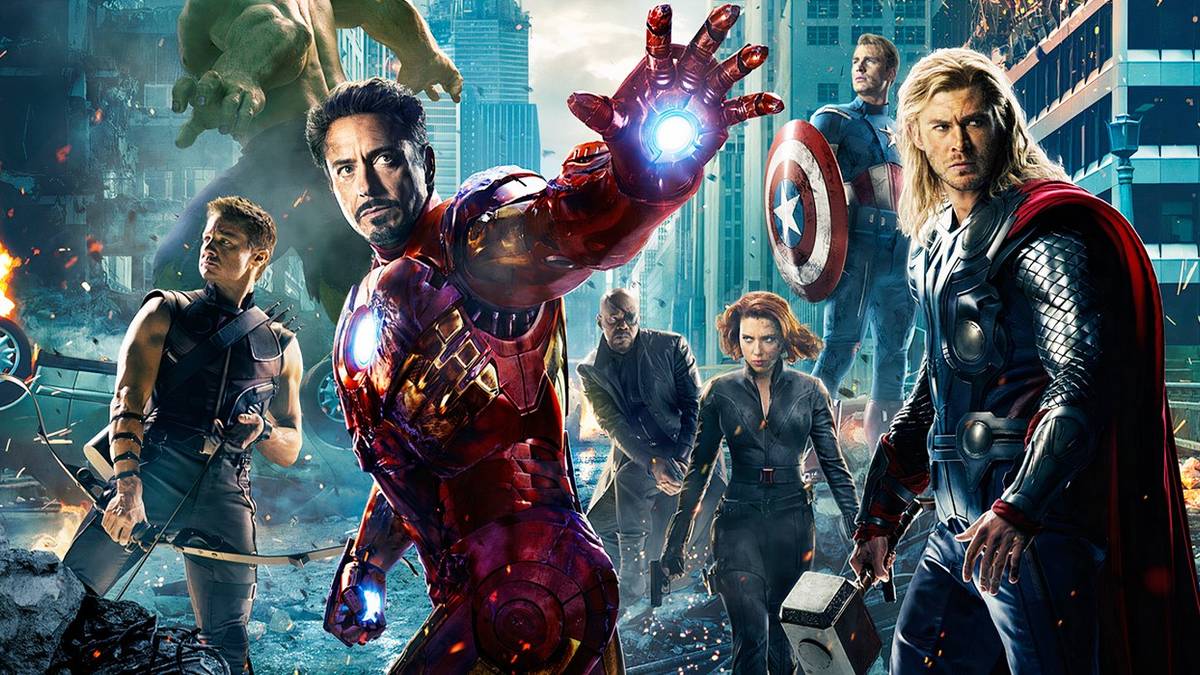
When Marvel launched its interconnected universe with Iron Man in 2008, it set a new standard for blockbuster franchises. Since then, countless studios have tried to replicate that magic—some with success, like James Gunn's recent DC reboot, others with spectacular failure, like Universal's Dark Universe. But what many forget is that the Wachowskis' The Matrix trilogy was the true pioneer of this concept, and it did so with a boldness and creativity that Marvel and DC have never quite matched.
The Matrix's 2003 Power Move
The Wachowskis always envisioned a trilogy, but they didn't just film three movies back-to-back. In 2003, they dropped The Matrix Reloaded in May and The Matrix Revolutions in November—a staggering feat at the time, especially since Peter Jackson was still shooting The Lord of the Rings. But they didn't stop there. They also released The Animatrix, an anime anthology featuring shorts from top Japanese directors, and wrote a video game, Enter the Matrix, that ran parallel to the films. This multi-platform approach was unheard of then, and it made the franchise a truly immersive experience.

Interconnected Storytelling Before It Was Cool
Today, every franchise tries to build a shared universe across films, TV, and games. But in the early 2000s, the Wachowskis were breaking ground. They used The Animatrix to expand the lore, with two of its shorts serving as direct prequels to Reloaded—and even referenced in the film itself. The game Enter the Matrix featured live-action cutscenes directed by the Wachowskis and starring the main cast, and it tied directly into the movie's events. This wasn't just marketing; it was a cohesive narrative vision that rewarded dedicated fans.
Easter Eggs and Rewards for the Devoted
The Wachowskis loved hiding connections for eagle-eyed fans. In Reloaded's iconic freeway chase, they hid cheat codes for Enter the Matrix. Characters like the Kid and the ship Osiris were introduced in other media before appearing in the films, creating a web of references that felt organic, not forced. It's the same kind of fan service Marvel uses today, but the Wachowskis did it with more subtlety and less self-congratulation.
Why It Still Beats Marvel and DC
Marvel and DC have built massive universes, but they often feel like corporate products designed to maximize box office returns. The Matrix, by contrast, was a singular artistic vision that used every medium to deepen its philosophical themes about reality and choice. The Wachowskis were given a blank check by Warner Bros. after the first film's success, and they used it to push boundaries—not just in visual effects, but in storytelling structure. That's why, even today, The Matrix remains the gold standard for what a cinematic universe can be.
As streaming platforms continue to expand their own universes—like Prime Video's Reacher franchise or Netflix's global hits—it's worth remembering that the Wachowskis were the true innovators. They didn't just build a universe; they built a world that fans could live in across every screen. And that's something Marvel and DC have yet to fully replicate.