Spider-Man's world is built on loss. From Uncle Ben to Gwen Stacy, the web-slinger's story is steeped in tragedy. But while these deaths are meant to shape Peter Parker, some of them are so poorly executed that they leave audiences scratching their heads. As we gear up for Spider-Man: Brand New Day, it's worth looking back at the deaths that just don't add up.
Uncle Ben's Bizarre Death in The Amazing Spider-Man
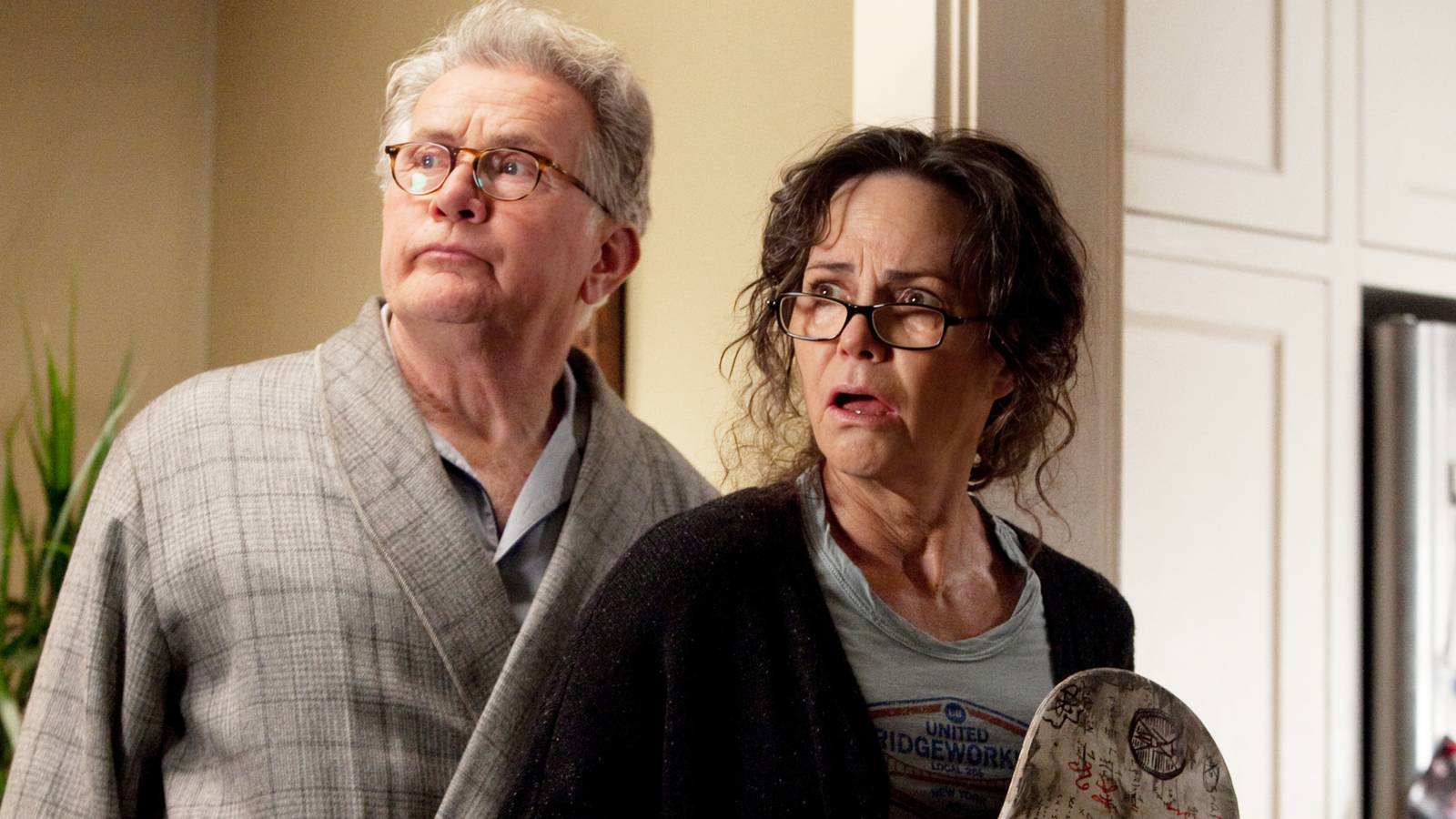
The 2012 reboot tried to put a new spin on Uncle Ben's murder, but the result was a scene that makes little sense. In this version, Ben (Martin Sheen) witnesses a thief fleeing a store. The thief, who never brandished a weapon during the robbery, trips and falls, dropping a gun. Ben dives for the weapon, and in the ensuing struggle, he's shot. The movie seems to go out of its way to paint the thief as a sympathetic figure—he only takes a handful of cash, and he even tosses Peter (Andrew Garfield) a chocolate milk he couldn't afford. It's almost as if the film is trying to convince us that Ben's death was his own fault. But the biggest problem? Peter's quest for revenge is abandoned entirely. He becomes Spider-Man to find the killer, but the subplot is dropped, leaving us with a death that feels both avoidable and pointless.
Harry Osborn's Impossible Sacrifice in Spider-Man 3
In Spider-Man 3, Harry Osborn (James Franco) redeems himself by saving Peter (Tobey Maguire) from Venom (Topher Grace). But the way he does it defies physics. Harry, who is lying face-down yards away, somehow gets up, runs in front of Peter, and takes a glider through the chest. The spikes go right through him, yet the glider stops, saving Peter. But as we saw in the first Spider-Man film, a glider can easily pierce through a body and keep going. Harry's sacrifice is noble, but it's also illogical. He could have simply thrown a pumpkin bomb at Venom, as he did moments earlier, but instead, he chooses to become a human shield. It's a death that feels forced, not fated.
Aunt May's Death Teaches the Wrong Lesson
The death of Aunt May (Marisa Tomei) in Spider-Man: No Way Home is undeniably emotional. She utters the iconic line, "With great power, there must also come great responsibility," and then dies in Peter's arms. It's a poignant moment, but it's also problematic. The movie suggests that her death wasn't in vain because it taught Peter a lesson. But what lesson? May's words were about using power responsibly, but her death doesn't reinforce that message. Instead, it seems to say that being a hero leads to tragedy. Tobey's Spider-Man tells Tom Holland's Peter that "maybe she didn't die for nothing," but the logic is shaky. If anything, her death could have made Peter more reckless, not more responsible.
The Pattern of Illogical Deaths
These aren't the only questionable deaths in Spider-Man lore. Gwen Stacy's death in The Amazing Spider-Man 2 is tragic, but it's also a result of Peter's arrogance. And in Spider-Man: No Way Home, the Green Goblin's death is a bit too convenient. But the pattern is clear: Spider-Man movies often sacrifice logic for emotional impact. It's a shame, because these moments could be just as powerful without being so confusing.
As we look forward to Spider-Man: Brand New Day, we can only hope the filmmakers have learned from these missteps. For more on the future of the franchise, check out our coverage of Spider-Man's new post-credits scene and Rosario Dawson's Claire Temple being cut from the film.