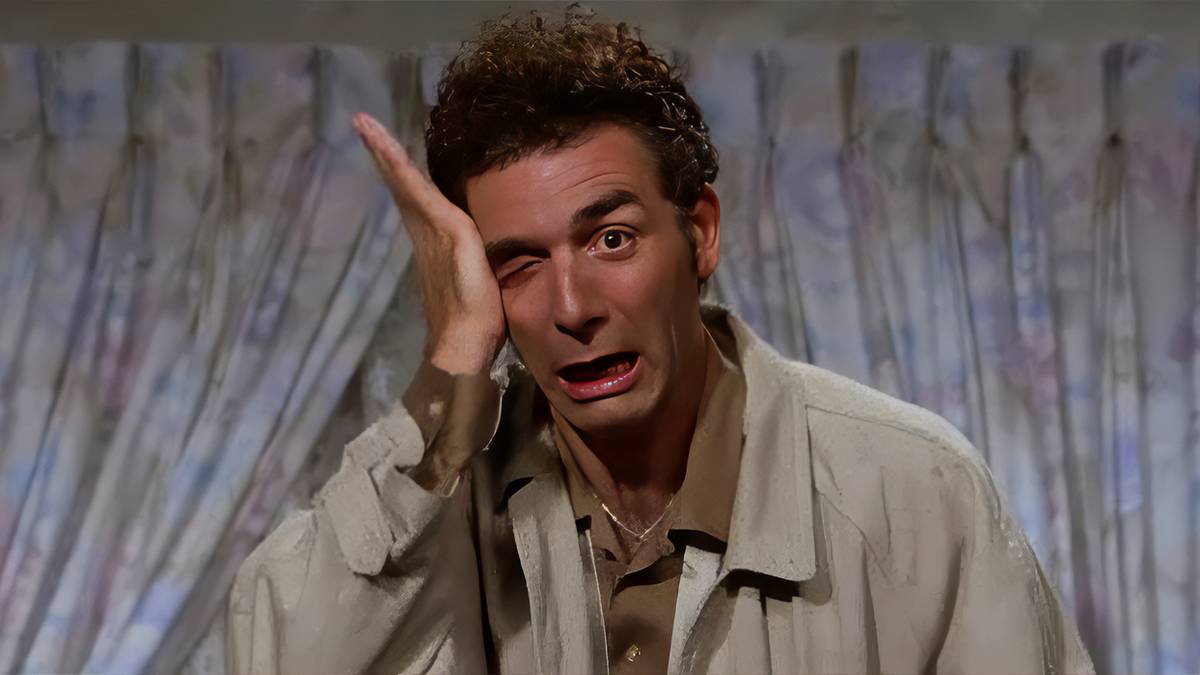
When Seinfeld was at its peak, it had a knack for dancing on the edge of taboo—whether it was the famously unspoken subject of The Contest or the cheeky political correctness of The Outing. But sometimes, the show stumbled. And one episode in particular didn't just cross a line—it ignited a firestorm that led NBC to quietly remove it from syndication forever.
That episode is The Puerto Rican Day, the second-highest-rated episode in the series' history, trailing only the series finale. Airing in Season 9, it drew massive viewership, but its legacy is defined not by ratings but by controversy. The plot follows Jerry, Elaine, George, and Kramer trying to get home after a Mets game, only to be trapped by the Puerto Rican Day Parade. What seems like a classic Seinfeld setup—a mundane obstacle turned into comic chaos—takes a dark turn when Kramer accidentally sets a Puerto Rican flag on fire with a sparkler, then stomps on it to extinguish the flames. As an angry mob damages Jerry's car, Kramer quips, "It's like this every day in Puerto Rico."
That line, combined with the flag-burning, struck a nerve. The Puerto Rican community was outraged. Protests erupted outside NBC's New York headquarters, Latino radio stations were flooded with angry calls, and leaders like Manuel Mirabal of the National Puerto Rican Coalition demanded an apology and a promise that the episode would never air again. "I was concerned that the Latinos depicted in the show were very stereotypical, like in West Side Story," Mirabal said. "Then Kramer started running around with the Puerto Rican flag... at the point at which the flag was burned, my blood started boiling."
Fernando Ferrer, another prominent Puerto Rican leader, issued a statement condemning the scene as "insulting to the millions who hold that flag dear," and called out the slur that rioting and vandalism are "like this every day in Puerto Rico." NBC responded with an apology, claiming no intent to offend, and bowed to public pressure by pulling the episode from syndication. It remains one of the few Seinfeld episodes you won't find in regular reruns.
What makes this particularly striking is that the episode was otherwise a return to form—a standalone adventure reminiscent of classics like The Chinese Restaurant or The Puffy Shirt. The flag-burning was a brief, almost throwaway moment, but its impact was seismic. In a show that often pushed boundaries with clever wordplay and exaggerated reactions, this was a rare case where the joke landed with the force of a sledgehammer.
Interestingly, an executive from the Seinfeld production company responded to Mirabal by suggesting the episode could have been written about any parade—St. Patrick's Day or Columbus Day—implying other groups wouldn't have been as upset. It's a baffling defense that seems to miss the point entirely, especially given the flag-burning. The irony isn't lost: just eight years earlier, the Supreme Court had ruled that burning the American flag was protected speech, yet here was a network pulling an episode over a similar act with a different flag.
For fans of Seinfeld, The Puerto Rican Day remains a fascinating footnote—a ratings powerhouse that became a cautionary tale about the limits of comedy. It's a reminder that even the most beloved shows can stumble, and that some lines, once crossed, can't be uncrossed. If you're curious about other controversial episodes or want to explore how Seinfeld handled sensitive topics, check out our piece on the mildest R-rated movies for a look at how other media navigates similar tightropes.
Ultimately, The Puerto Rican Day is a testament to the power of context. What might have been a harmless sight gag in another era became a flashpoint in a culture increasingly aware of representation and respect. And while Seinfeld remains a comedy titan, this episode serves as a reminder that even the best can get it wrong.