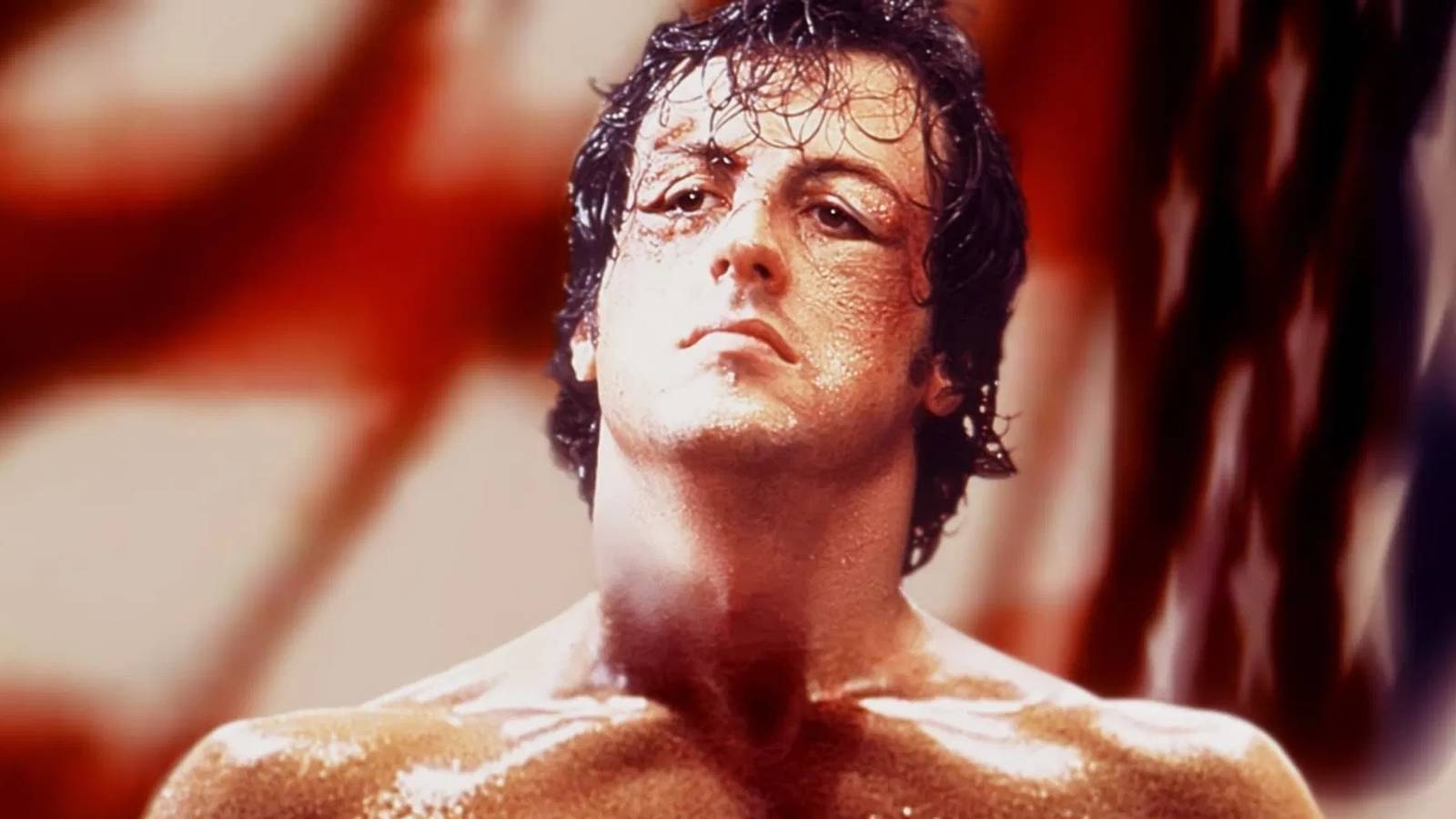
When Sylvester Stallone wrote Rocky in 1976, he crafted a story that would resonate for generations. The film's underdog narrative, its iconic training montage, and its unforgettable characters have cemented its place in cinema history. But among the many memorable lines—from the triumphant shout of "Adrian!" to Mickey's colorful warnings—one quiet, intimate speech stands above the rest. It's not delivered in the ring or on the steps of the Philadelphia Museum of Art, but in a small apartment, the night before the biggest fight of Rocky Balboa's life.
That speech, spoken by Stallone's Rocky to his girlfriend Adrian (Talia Shire), is the heart of the entire franchise. It's a moment of raw vulnerability that reveals the true goal behind every punch, every round, and every sequel that followed.
The Night Before the Fight
As Rocky walks through the empty arena, the weight of the upcoming bout with heavyweight champion Apollo Creed (Carl Weathers) presses down on him. Back home, sitting on the edge of the bed, he confesses to Adrian that he can't win. But then he delivers the lines that define his character: "It really don't matter if I lose this fight. It really don't matter if this guy opens my head, either. 'Cause all I wanna do is go the distance. Nobody's ever gone the distance with Creed, and if I can go that distance, you see, and that bell rings, and I'm still standin', I'm gonna know for the first time in my life, see, that I weren't just another bum from the neighborhood."
In that moment, Rocky's journey crystallizes. He's a street fighter, a debt collector for a loan shark, who's been handed a once-in-a-lifetime shot at the title. He knows he's outmatched, but he's found a way to win even in defeat: by proving he can last all 15 rounds. This speech isn't just about boxing; it's about self-worth, about proving to yourself that you're more than what the world expects of you.
The Franchise's Defining Theme
This "go the distance" mentality is the thread that ties all six Rocky films together. In Rocky II (1979), he fights to prove his first performance wasn't a fluke. Rocky III (1982) sees him lose his edge after fame and fortune, only to rediscover his hunger when challenged by the ferocious Clubber Lang (Mr. T). Rocky IV (1985) deals with grief and revenge after Apollo's tragic death in the ring. Rocky V (1990) shifts focus to family, as Rocky steps away from boxing to be a father. Even in Rocky Balboa (2006), his final fight isn't about winning—it's about proving he still has something to give, going all 12 rounds against a much younger champion.
Throughout these films, Rocky's most formidable opponent is never the man across the ring—it's himself. Going the distance means overcoming his own doubts, his past, and his demons. This theme carries into the Creed spin-offs, where Rocky, now a mentor to Adonis Creed (Michael B. Jordan), passes on that same wisdom. In a pivotal scene, he makes Adonis stand before a mirror and says, "That's the toughest opponent you're ever going to have to face."
Why This Quote Endures
What makes this speech so powerful is its universality. We all face our own Creed-like challenges—moments when the odds seem insurmountable. Rocky's words remind us that victory isn't always about winning; sometimes it's about showing up, enduring, and proving to ourselves that we're not just "another bum from the neighborhood." It's a message that has inspired countless viewers, from athletes to everyday people, and it's why this quote remains the franchise's most defining.
In a series filled with iconic lines, this quiet confession stands out because it's not about bravado or glory. It's about the quiet determination that lies at the heart of the underdog story. As Captain America's 'I can do this all day' defines the MCU's hero, Rocky's "go the distance" speech defines his entire legacy. It's a reminder that sometimes, the greatest victory is simply refusing to give up.
So, the next time you watch Rocky, pay attention to that scene. It's not just a great piece of writing—it's the soul of a franchise that continues to inspire, proving that the most powerful quotes are often the ones spoken quietly, in the dark, when no one else is watching.