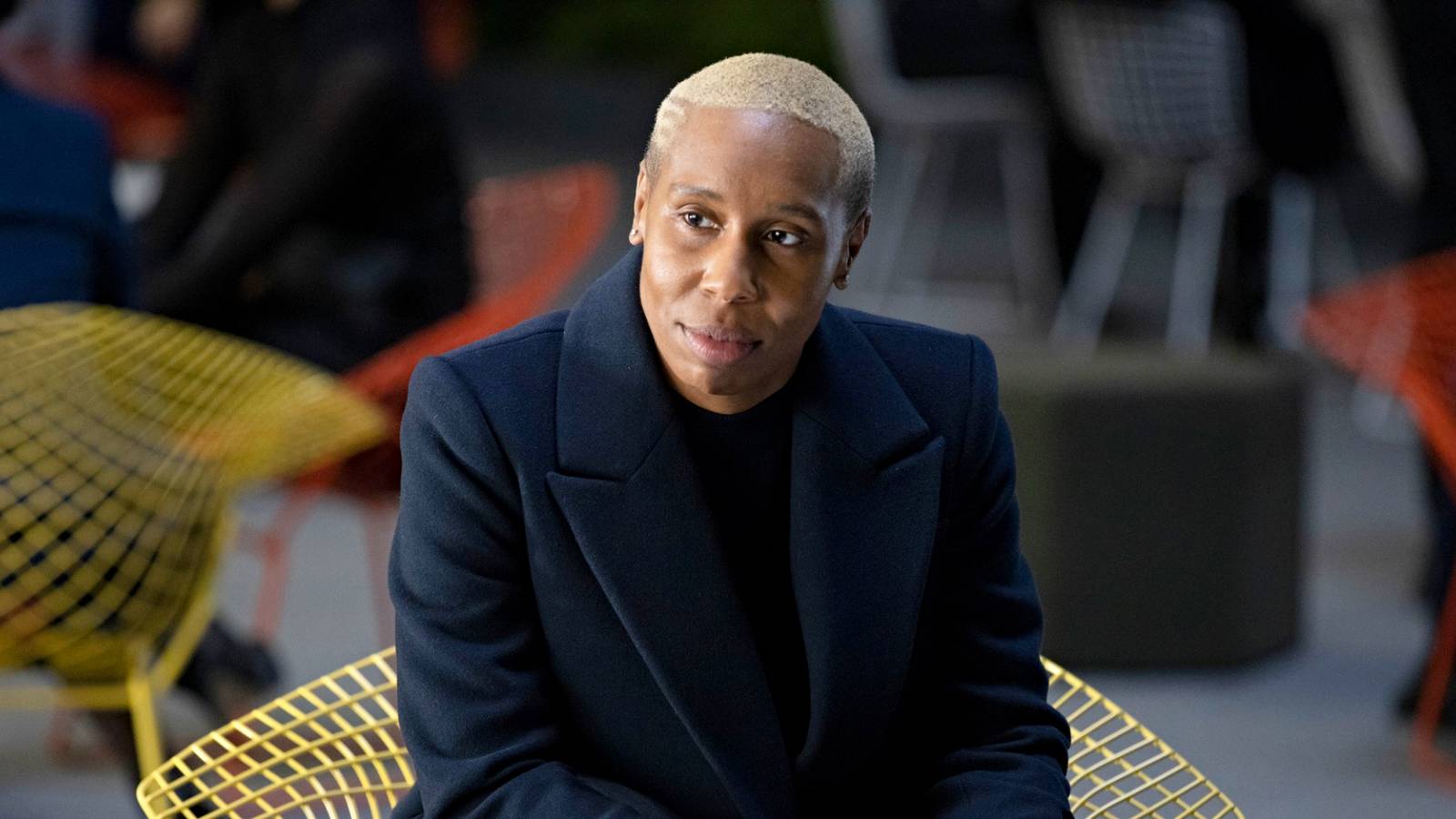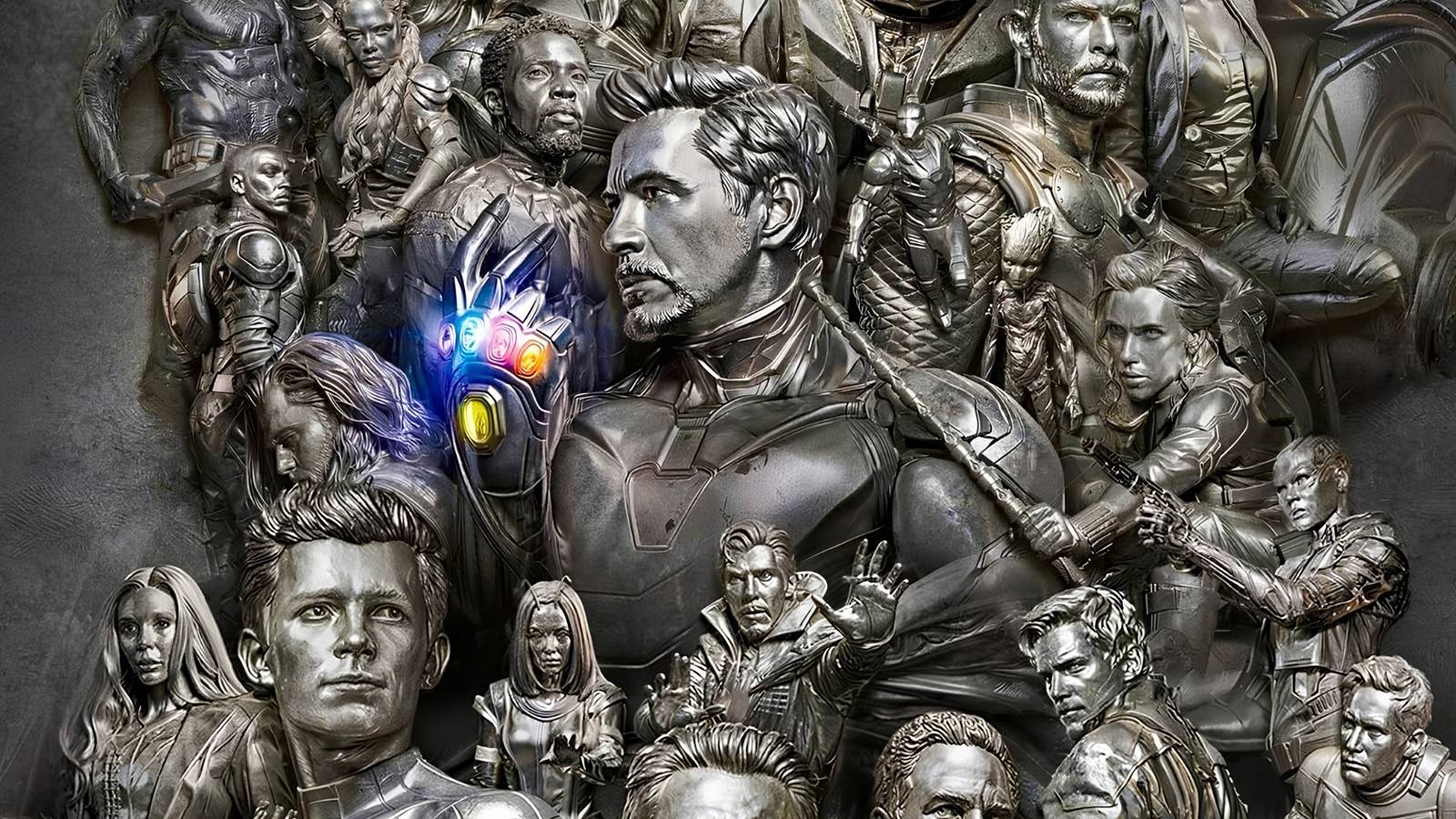
Marvel's Avengers: Endgame Encore is meant to set the stage for Avengers: Doomsday, but it also just assigned fans some extra homework. The good news? That homework is the best series Marvel has ever put out. In the re-release's first post-credits scene, Tom Hiddleston's Loki interrupts Steve Rogers and Peggy Carter's long-awaited dance to warn them of an impending threat and offer his help. Then, in the final scene, the Time Variance Authority (TVA) watches in horror as the multiverse begins to collapse in real time. While Doomsday will clarify the details, anyone who has watched Loki already has a significant head start.
Loki: The MCU's Multiverse Primer
The Marvel Cinematic Universe's timeline is notoriously complex, but you don't need to have seen every film to enjoy Loki. The series picks up right after the God of Mischief grabs the Tesseract during the time heist in Avengers: Endgame and vanishes—only to be immediately apprehended by the TVA. There, he learns about the Sacred Timeline and that his actions have created a dangerous branched timeline that must be "pruned."
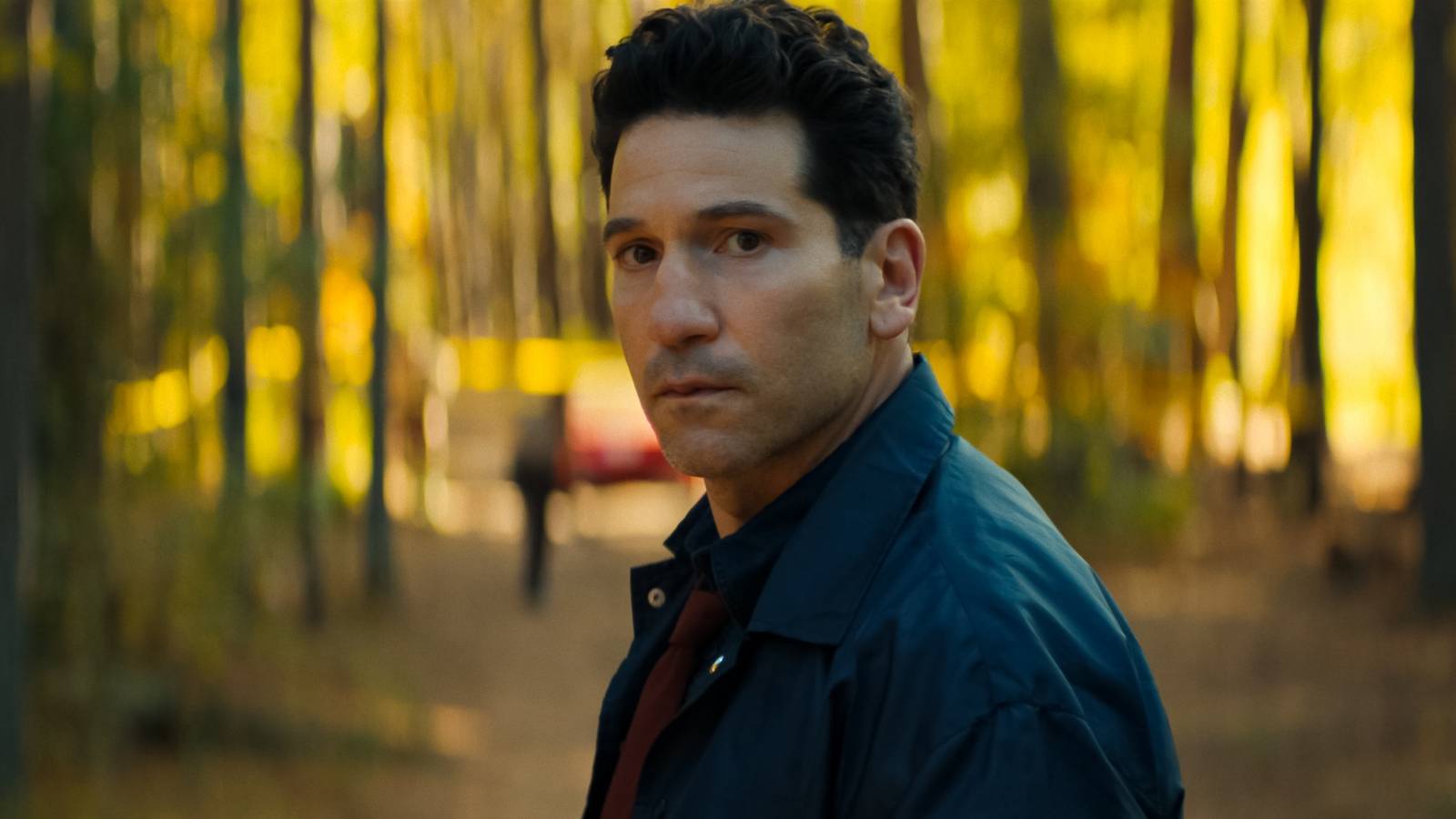
Over two seasons, Loki encounters variants of himself, including the fierce Sylvie (Sophia Di Martino), and TVA agents like the jet-ski-loving Mobius (Owen Wilson) and the brilliant O.B. (Ke Huy Quan). He also meets He Who Remains (Jonathan Majors), a Kang variant who founded the TVA to protect the Sacred Timeline and prevent a multiversal war. Through these experiences, Loki discovers that his true "glorious purpose" isn't to rule Asgard, but to safeguard the multiverse and all its infinite branches.
The Rules of the Multiverse, Explained
The Multiverse Saga is the most science-fiction-heavy chapter of the MCU, with its own jargon and mechanics. Avengers: Endgame touched on time travel, but Loki dives deep into concepts like incursions and anchor beings—terms that have already popped up in Doctor Strange in the Multiverse of Madness and Deadpool & Wolverine. The series explains how the TVA maintains order, why branched timelines are dangerous, and what happens when they collide.
Initially, the TVA's mission is to keep the Sacred Timeline intact, erasing any branches that form. But as the series progresses, it becomes clear that total control is impossible. The Sacred Timeline eventually gives way to the Multiversal Tree, and the TVA shifts its focus to preventing incursions—catastrophic collisions between timelines. Pruned branches are sent to the Void at the End of Time, where they're devoured by the entity Alioth. In Endgame Encore, Mobius and O.B. witness over three thousand simultaneous incursions, an unprecedented crisis that hints at the TVA's impending failure.
Loki's Role in the MCU's Future
Loki's appearance in Endgame Encore connects directly to his 2012 escape with the Tesseract, but everything that happens in between is chronicled in his own series. As the God of Stories, he now literally holds the multiverse together, though the full extent of his powers remains a mystery. Meanwhile, Doctor Doom (Robert Downey Jr.) seems poised to exploit the chaos. In The Fantastic Four: First Steps' post-credits scene, Doom arrives at the Baxter Building using a device that sounds suspiciously like a TVA Timedoor, suggesting he's already encountered the organization.
If the TVA is overwhelmed by thousands of incursions, it's clear they can't handle the multiverse alone. That's where Loki comes in—and why his series is now essential viewing. The good news is that Loki is only two seasons long, it's critically acclaimed, and there's plenty of time before Doomsday hits theaters. So, if you haven't watched it yet, now's the perfect moment. Trust us, you don't want to end up in the Void at the End of Time.
For more on the MCU's multiverse madness, check out our analysis of how Doomsday could erase Fox's X-Men universe and why Loki remains a Disney+ favorite.