If you've been captivated by the mind-bending mysteries of Severance, you're likely craving more stories that probe the nature of identity, memory, and what it truly means to be human. Enter Kazuo Ishiguro's Klara and the Sun—a quiet, devastatingly beautiful sci-fi novel that asks the same haunting questions as Apple TV+'s hit series.
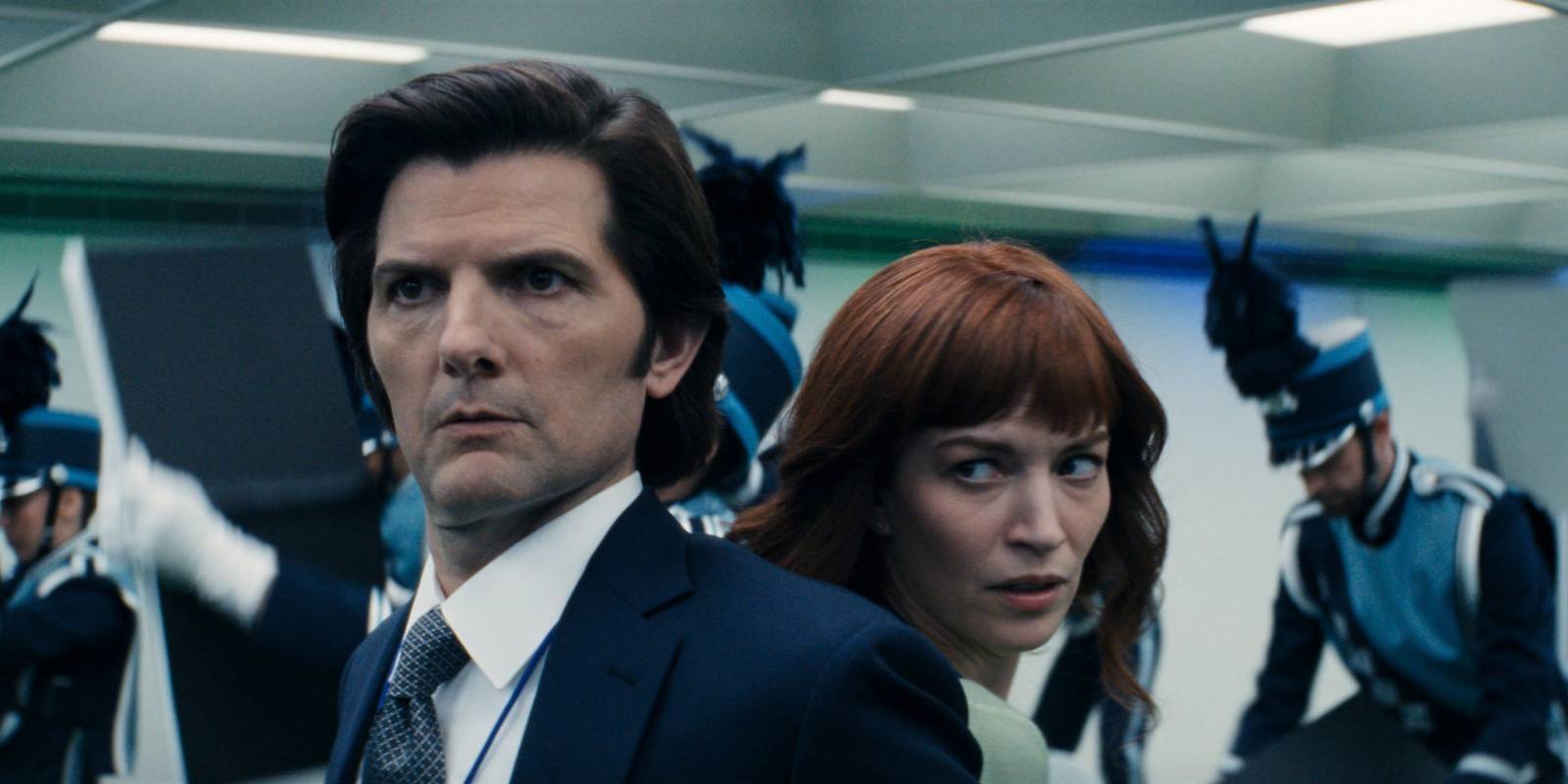
Both works center on beings whose very existence is defined by serving others. In Severance, Lumon Industries' employees have their memories surgically split between work and personal lives, turning them into obedient corporate drones. In Klara and the Sun, the titular narrator is an Artificial Friend—a solar-powered AI designed to keep lonely children company. Klara observes the world with childlike wonder, but her understanding of love, sacrifice, and mortality is filtered through her programming.

Ishiguro, a Nobel laureate, crafts a world that feels eerily plausible. Set in a near-future where genetic editing has created a class divide between "lifted" and "un-lifted" children, the novel follows Klara as she tries to save her sick owner, Josie, by bargaining with the sun itself. It's a story that blends sci-fi with myth, asking whether an AI can truly love—and whether that love matters any less than human emotion.
For Severance fans, the parallels are striking. Both narratives explore the fragmentation of self: Mark Scout's "innie" and "outie" are two versions of the same person, just as Klara's artificial consciousness mimics human feelings without fully understanding them. The show's central question—"What makes someone a person?"—is the same one Ishiguro grapples with on every page.
Where Severance uses corporate satire and surreal office horror, Klara and the Sun takes a gentler, more melancholic approach. Klara's narration is precise and innocent, yet deeply moving as she pieces together human behavior. Her observations about love, loss, and the fear of being replaced will resonate with anyone who's ever wondered if their memories define them.
If you're looking for more thought-provoking sci-fi, check out our list of thriller series that never let go, or dive into the graphic novel adaptation of Scavengers Reign for another visually stunning exploration of alien consciousness.
Ishiguro's novel also touches on themes of class and inequality, much like the hidden world of Lumon. The "lifted" children in Klara and the Sun are genetically enhanced, while the "un-lifted" face a future of limited opportunity. It's a subtle but sharp critique of a society that values some lives more than others—a theme that echoes in the way Lumon treats its employees as disposable assets.
Ultimately, both Severance and Klara and the Sun leave you with more questions than answers. Is a copied consciousness still "you"? Can an artificial being experience genuine love? And if our memories can be erased or altered, what remains of our identity? These are the kind of existential puzzles that stick with you long after the credits roll or the last page is turned.
For fans of Severance who want to dive deeper into these ideas, Klara and the Sun is an essential companion piece. It's a quiet, luminous novel that proves you don't need flashy twists to explore the biggest questions of all.