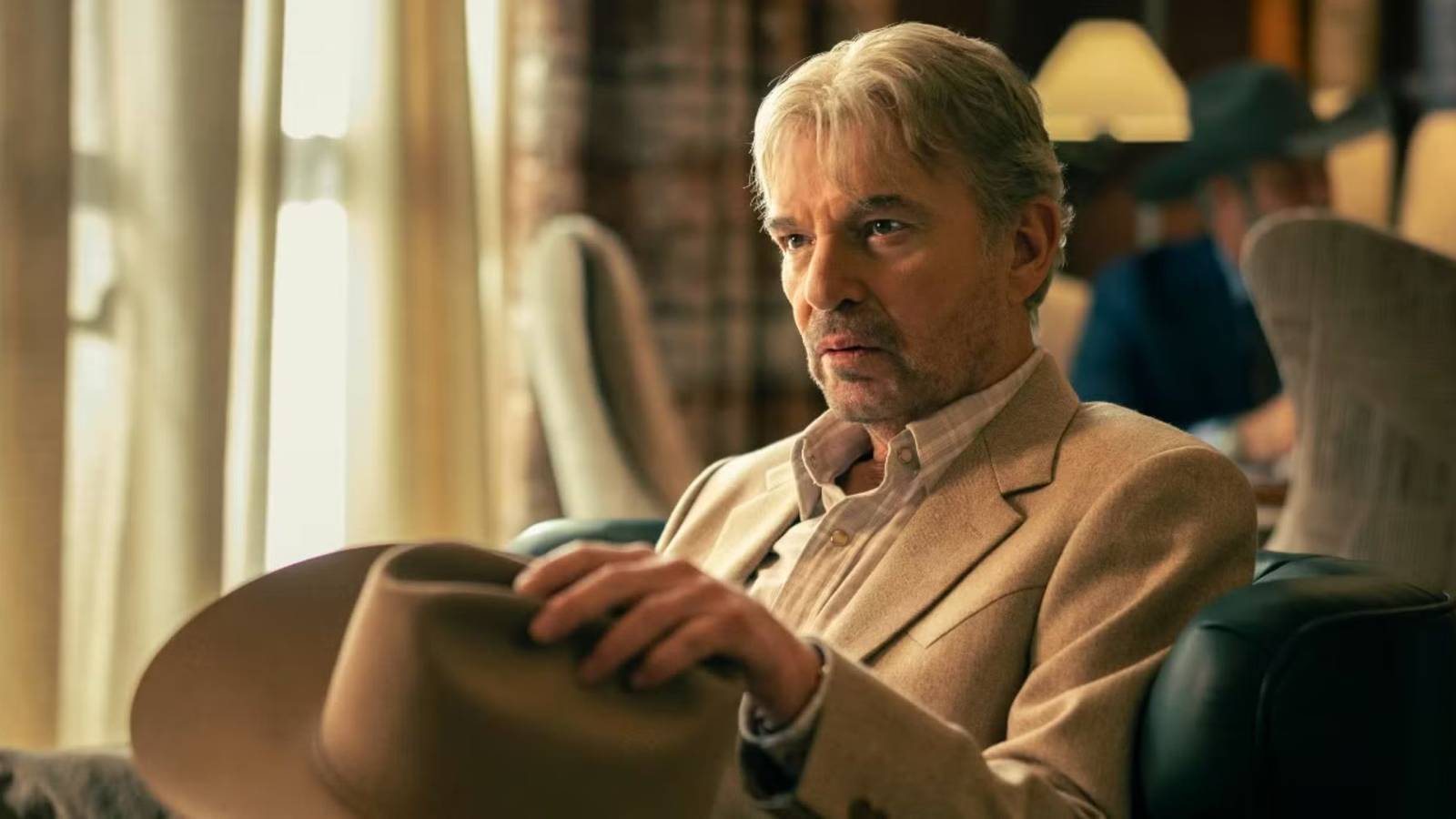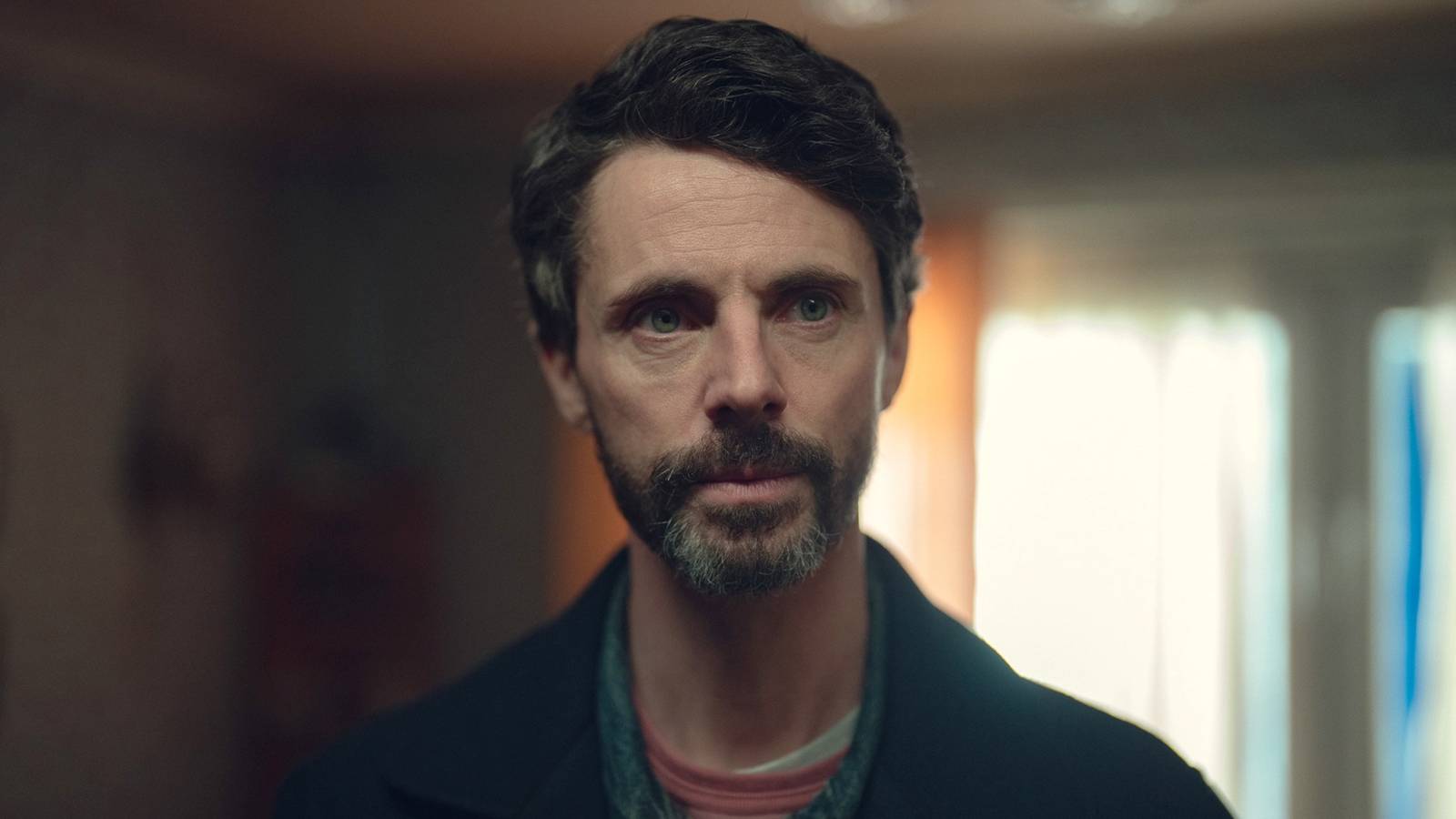
Picture the classic noir detective: a trench coat, a cigarette, and a moral compass that spins wildly. Jon Bernthal, known for his intense portrayals, brought that archetype to life in TNT's Mob City, a series that captured the gritty glamour of 1940s Los Angeles. Based on John Buntin's book L.A. Noir: The Struggle for the Soul of America's Most Seductive City, the show dropped viewers into a world where mobster Mickey Cohen ruled the streets and the LAPD fought back with their own brand of justice.
Bernthal starred as Detective Joe Teague, a man caught between two warring factions. The six-episode run was a tight, atmospheric thriller that never got the audience it deserved. Despite its short life, Mob City remains a standout in the crime genre, a hidden gem that streaming services should rediscover.
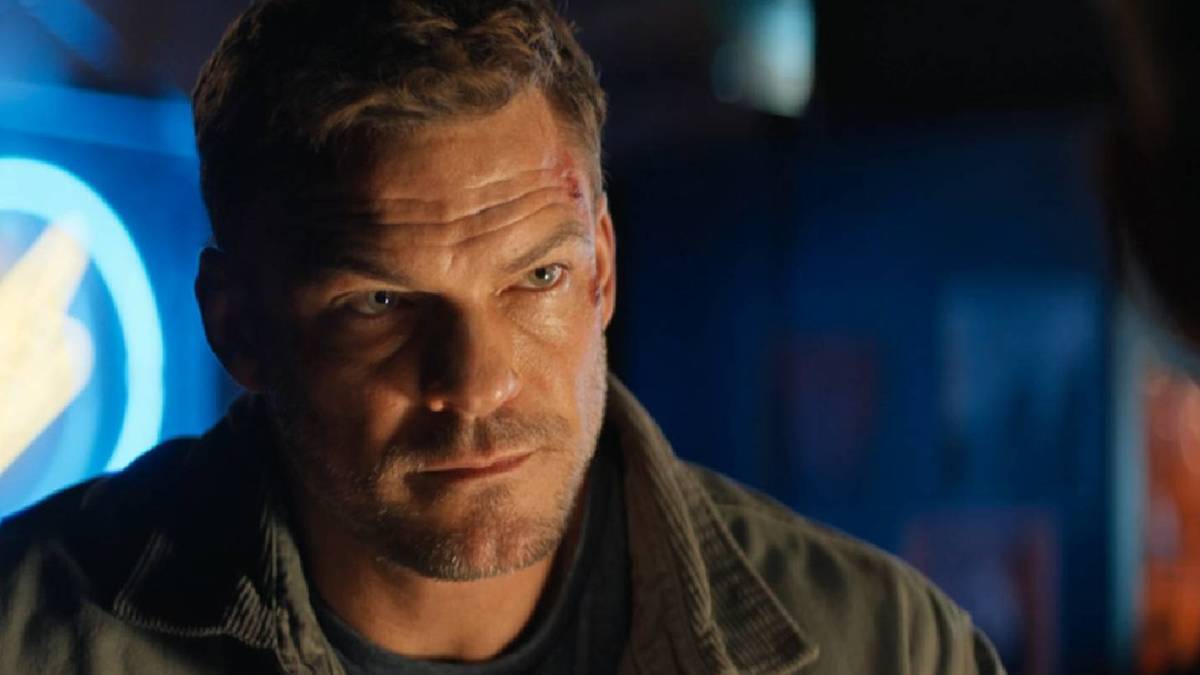
A Familiar Setting, A Fresh Take
Set in 1947, Mob City recreated the seedy underbelly of Los Angeles with stunning authenticity. From smoky jazz clubs to neon-lit streets, the show oozed noir atmosphere. But it wasn't just the visuals—the writing, led by showrunner Frank Darabont (of The Walking Dead fame), gave the series a philosophical depth. Unlike typical cop-versus-gangster tales, Mob City blurred the lines between good and evil. The police weren't saints, and the mobsters weren't all villains. This moral ambiguity made every character compelling, and Bernthal's Joe Teague was the perfect embodiment of that gray area.
Bernthal's Perfectly Flawed Detective
From the start, Joe Teague is described as a "gray man"—someone who operates in the shadows between right and wrong. The show didn't hide his secrets; instead, it explored why he made the choices he did. Bernthal, who excels at playing morally complex characters, brought a raw intensity to the role. His performance was a masterclass in subtlety, making Joe both sympathetic and unpredictable.
The supporting cast was equally impressive, with Jeremy Luke as Mickey Cohen, Edward Burns as Bugsy Siegel, and Milo Ventimiglia as the shady lawyer Ned Stax. Even Simon Pegg showed up in a memorable role as a comedian with mob ties. The ensemble chemistry was electric, and the dialogue crackled with the snappy wit of classic noir.
A Visual Feast
Visually, Mob City was a love letter to old Hollywood. The production design meticulously recreated the era, from the vintage cars to the period-appropriate costumes. The cinematography used shadows and light to create a sense of unease, reminding viewers that danger lurked behind every glamorous facade. This cinematic quality was rare for network TV, making the show feel like a prestige drama before that term became common.
Why It Deserved More
Despite its strengths, Mob City was cancelled after just one season due to low ratings. The cliffhanger ending left fans hanging, and the story—which had so much potential—was cut short. In an era where crime thrillers are a staple of streaming, Mob City would have found a loyal audience. Its blend of historical fiction and noir tropes was ahead of its time, and Bernthal's performance alone was worth the price of admission.
For those who haven't seen it, Mob City is a must-watch for fans of unforgettable crime TV villains and morally ambiguous heroes. It's a shame it didn't get the chance to explore the full arc of its story. But even in its brief run, it left a lasting impression—a testament to what could have been a landmark series.
If you're looking for a weekend binge that's both stylish and substantive, give Mob City a chance. It's a reminder that sometimes the best shows are the ones that end too soon.