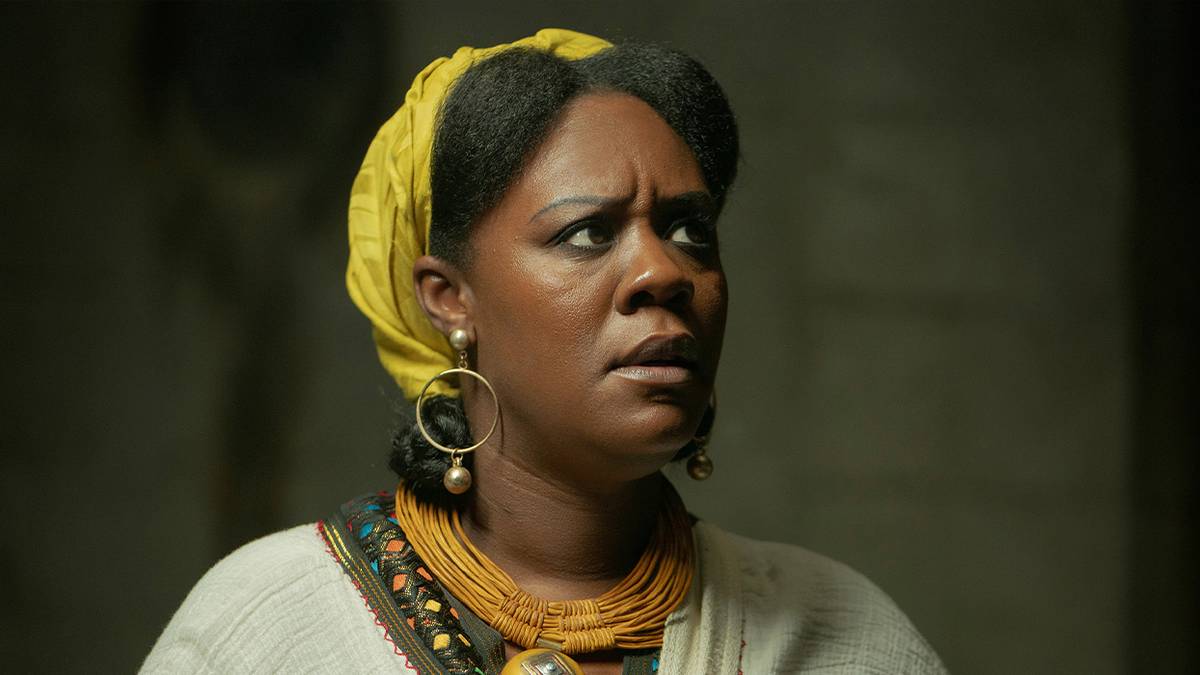
Superhero stories often come with a dose of inherent silliness. Even when creators like Christopher Nolan dive into gritty realism, you're still watching a man in a bat costume fight clowns. But a decade ago, Marvel's Jessica Jones arrived on Netflix and changed everything. It wasn't just dark in aesthetic—it was dark in theme, tackling sexual violence and trauma with a depth rarely seen in the genre.
Based on the character by Brian Michael Bendis and Michael Gaydos, Jessica Jones isn't about saving the multiverse. Krysten Ritter stars as the titular hero, a street-level private investigator in New York City, much like Daredevil. Over three seasons, she faces villains from her past—including her own mother and the man who enslaved her for eight months. While the series' quality dips after its first season, that debut run remains the best thing Marvel has ever produced.
Season 1's Unflinching Look at Sexual Violence
In a universe that often shies away from sexuality, Jessica Jones goes all in. It embraces desire—showing Jessica's passionate relationship with Luke Cage—but also explores how sex can be weaponized. The villain, Kilgrave (David Tennant), uses mind control to enslave Jessica, forcing her to be his perfect girlfriend, including sleeping with him. Tennant, known for lovable roles like Doctor Who's Tenth Doctor, is chillingly vile here.
But the show never suggests defeating Kilgrave solves everything. Creator Melissa Rosenberg understands trauma lingers. Jessica is an alcoholic, reciting names to keep dark memories at bay. Even after Kilgrave's death, his shadow looms. This is crucial: media often implies revenge or love can erase trauma, but Jessica Jones knows it's something you learn to live with.
Krysten Ritter's Magnificent Performance
Ritter delivers a performance that's both delicate and strong. Jessica is a tough noir protagonist, but her ruggedness isn't a facade—it's a result of her past. The show also recognizes trauma isn't singular: Jessica's cynicism stems from losing her family and an abusive foster home, not just Kilgrave. Her fraught relationship with adoptive sister Trish (Rachael Taylor) adds another layer.
While Seasons 2 and 3 didn't match the first's brilliance—Season 1 holds a 94% on Rotten Tomatoes, Season 3 a 73%—the series was unfairly cancelled after three seasons. A fourth could have been a comeback. For now, Jessica Jones stands as Marvel's greatest show, a testament to how superhero stories can be both entertaining and profoundly human.
For more on groundbreaking superhero storytelling, check out why 'Batman: Mask of the Phantasm' remains the Dark Knight's greatest cinematic triumph. And if you're into the latest Marvel buzz, see how 'X-Men '97' Season 2 trailer hints at a massive Deadpool future.