When HBO announced it was adapting Stephen King's The Outsider before the novel even hit shelves in 2018, it signaled a level of confidence rarely seen in television. The gamble paid off: the miniseries, which premiered in early 2020, stands as one of the most daring and experimental King adaptations ever brought to the screen. With a gripping blend of crime procedural and supernatural horror, it delivers a viewing experience that feels both grounded and otherworldly.
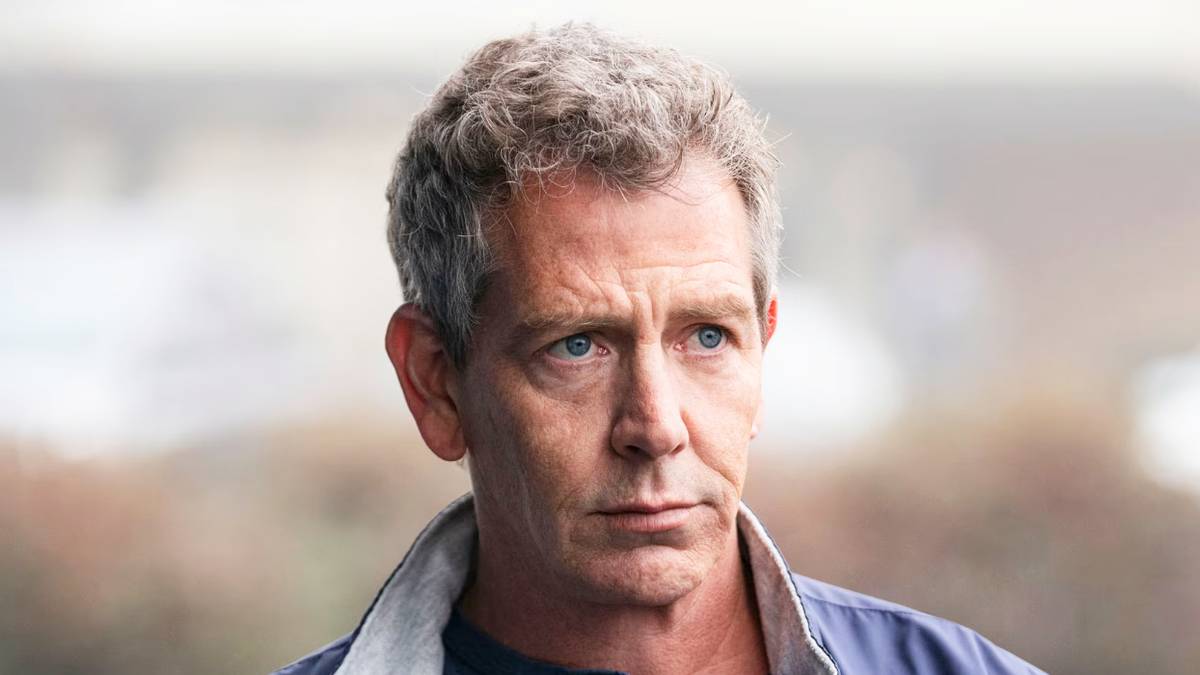
At the heart of the show is a stellar cast led by Ben Mendelsohn and Cynthia Erivo. Mendelsohn plays Detective Ralph Anderson, a pragmatic investigator whose world is shattered when he arrests beloved baseball coach Terry Maitland (Jason Bateman) for the brutal murder of a young boy. But when Maitland's airtight alibi emerges, the case takes a bizarre turn, forcing Anderson to confront the possibility that the killer might not be human. Enter Holly Gibney, played with mesmerizing intensity by Erivo, a recurring King character who brings an open-mindedness that clashes with Anderson's rigid rationality.
The dynamic between Mendelsohn and Erivo is the series' beating heart. Anderson, haunted by the death of his own son, clings to logic as a shield against grief. Gibney, meanwhile, embraces the inexplicable, treating the supernatural as just another variable to be investigated. Their philosophical tug-of-war—believer versus skeptic—isn't just a plot device; it's a profound exploration of how we confront the unknown. Erivo's Gibney delivers revelations about the mythical creature El Cuco with a matter-of-factness that flips the script on what it means to be rational.
Beyond the leads, the supporting cast shines. Mare Winningham as Anderson's wife Jeannie and Julianne Nicholson as Maitland's wife Glory offer powerful counterpoints. Jeannie, though not directly involved in the investigation, becomes a fierce advocate for the supernatural explanation, challenging her husband's stubbornness. Glory, meanwhile, is forced to navigate a town that has turned against her family while her daughter begins seeing a shadowy figure. These parallel storylines enrich the narrative, showing how the monstrous can infiltrate everyday life.
One of the most talked-about aspects of The Outsider is its departure from King's novel, particularly in its finale. While some purists balked at the changes, the series uses its deviations to expand the mythology in ways that feel organic. The show excels in the gray areas—where urban legends morph with time and place, and where the line between reality and nightmare blurs. The hooded, faceless figure that haunts characters like Detective Jack Hoskins (Marc Menchaca) is a masterclass in slow-burn dread.
This willingness to experiment is what sets The Outsider apart from other King adaptations. It doesn't just retell a story; it reimagines it for a medium that allows for deeper character exploration and atmospheric tension. The result is a miniseries that feels less like a faithful retread and more like a bold reclamation of King's themes. For fans of historical horror that blends reality with the uncanny, this is essential viewing.
As the mystery unfolds, The Outsider becomes less about solving a crime and more about the characters' journeys toward acceptance—of loss, of the inexplicable, and of their own limitations. It's a rare adaptation that respects its source material while forging its own identity. In a landscape crowded with King adaptations, from the recent It films to upcoming projects like Mike Flanagan's Carrie, The Outsider remains a benchmark for how to translate King's unique blend of horror and humanity to the screen. For those who appreciate flawless, binge-worthy storytelling, this is a must-watch.