It's been nearly a decade since the final episode of Game of Thrones aired, and the void it left in the world of prestige television remains largely unfilled. While House of the Dragon offers a taste of that magic, its long wait between seasons leaves fans hungry for something complete. But what if the answer isn't in Westeros at all? What if it's in the Roman Empire?
Before Game of Thrones ever graced our screens, HBO had already produced its own epic: Rome. This 2005 series, though only two seasons long, packs more political intrigue, power struggles, and raw human drama than most shows manage in a decade. It's the perfect binge for anyone craving that high-stakes, character-driven storytelling—minus the dragons, of course.

A Tale of Two Soldiers
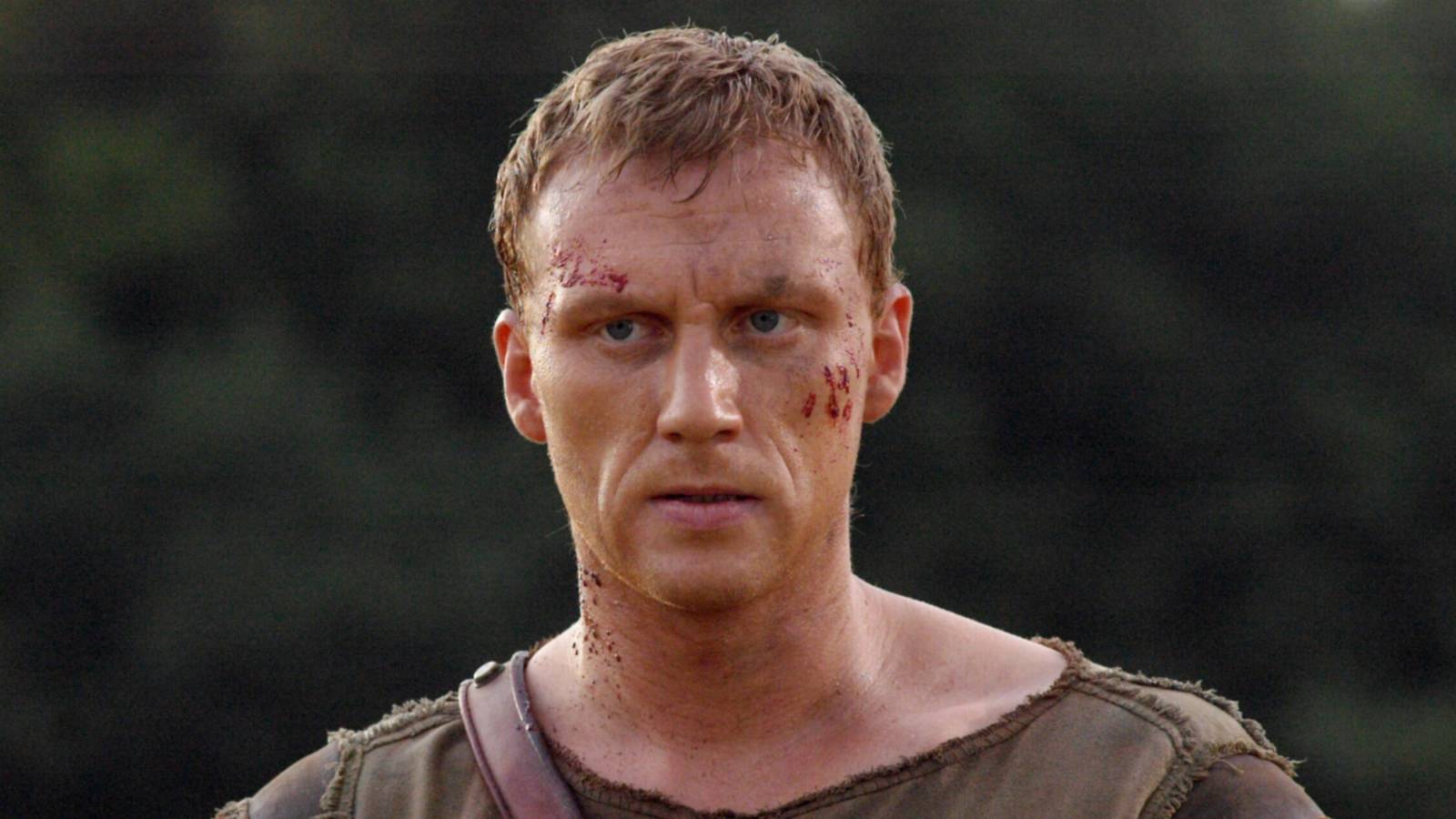
While history buffs will appreciate the series' grounding in the final days of the Roman Republic, Rome is far from a dry history lesson. The show's genius lies in its ability to make ancient politics feel immediate and personal. Yes, you'll see Julius Caesar (Ciaran Hinds), Pompey (Kenneth Cranham), and Brutus (Tobias Menzies) scheming and fighting, but the real heart of the story belongs to two ordinary soldiers: Lucius Vorenus (Kevin McKidd) and Titus Pullo (Ray Stevenson).
These two bickering legionaries, reminiscent of the peasants in Akira Kurosawa's The Hidden Fortress, stumble into the epicenter of the civil war between Caesar and Pompey. Their journey from the mud and blood of the battlefield to the marble halls of power is one of the most compelling arcs in television history. Through their eyes, we see the grit and grime of ancient Rome—the street gangs, the vendors, the everyday struggles of the common people—a perspective often lost in historical dramas.
Scheming Women and Political Machinations
If you think Cersei Lannister cornered the market on ruthless ambition, you haven't met Atia of the Julii (Polly Walker) and Servilia of the Junii (Lindsay Duncan). As Caesar's niece and former lover, respectively, these two women are the true power players of Rome. They'll stop at nothing to protect their families and advance their positions, and their rivalry is as fierce as any in Westeros.
Their machinations shape the fates of their sons—Octavian (Max Pirkis/Simon Woods) and Brutus—who both play pivotal roles in the empire's future. It's a testament to the show's writing that these historical figures feel so alive and their personal conflicts so gripping.
Authenticity Over Accuracy
One of Rome's greatest strengths is its commitment to feeling authentic, even if it isn't always historically accurate. The series doesn't shy away from the messiness of life in the ancient world. The costumes are dirty, the streets are crowded, and the violence is brutal. This gritty realism, much like Game of Thrones, makes the world feel lived-in and believable.
Take, for example, the famous assassination of Caesar. While we might imagine him uttering "Et tu, Brute?" thanks to Shakespeare, the show presents a more visceral, chaotic scene. It's a choice that prioritizes emotional truth over historical precision, and it works beautifully.
The Blueprint for Modern Epic TV
Rome wasn't just a great show; it was a pioneer. With a budget of over $100 million, it was HBO's first big-budget production, a joint venture with the BBC and RAI. The massive sets at Rome's Cinecittà studios set a new standard for television production, paving the way for the epic scale of Game of Thrones and other fantasy series.
Unfortunately, that ambitious budget proved unsustainable for the time, and the show was cut short after two seasons, condensing its planned five-season arc into a satisfying conclusion with Augustus's rise to power. But this brevity is a blessing for modern viewers—Rome is a tight, focused story that can be binged in a weekend, offering a complete narrative without the filler that plagues many long-running shows.
In many ways, Rome laid the groundwork for everything that followed. Its influence can be seen in the political maneuvering of Game of Thrones, the production values of House of the Dragon, and even the gritty realism of shows like the best detective series. If you're looking for a show that combines historical drama with the epic scope of fantasy, Rome is the answer. It's a testament to the power of great storytelling, and it deserves a place alongside the greatest TV epics of all time.
So, before you rewatch Game of Thrones for the fifth time, give Rome a chance. It might just become your new favorite obsession. Stream it on HBO Max and see why this underrated gem is the true king of epic television.