When Game of Thrones ended in 2019, it became a poster child for adaptations that fall short of their source material. But one season often gets unfairly overlooked: Season 6. By this point, the show had largely exhausted George R.R. Martin's published novels, and showrunners David Benioff and D.B. Weiss were flying without a net. While the final two seasons stumbled, Season 6 soared—proving that sometimes, leaving the books behind can be a creative blessing.
A Leaner, Meaner Cast
One of Season 6's smartest moves was trimming the sprawling cast. Martin's later books, A Feast for Crows and A Dance With Dragons, introduced a flood of new characters and subplots that bogged down the narrative. The show wisely cut or minimized many of these, like the Dorne and Iron Islands storylines, and omitted the character Young Griff entirely. This allowed the series to focus on its core players—Jon Snow, Daenerys Targaryen, Cersei Lannister, and Sansa Stark—without getting lost in tangents. For fans who love the books' complexity, this was a tough pill to swallow, but it paid off in tighter storytelling.

Deaths That Matter
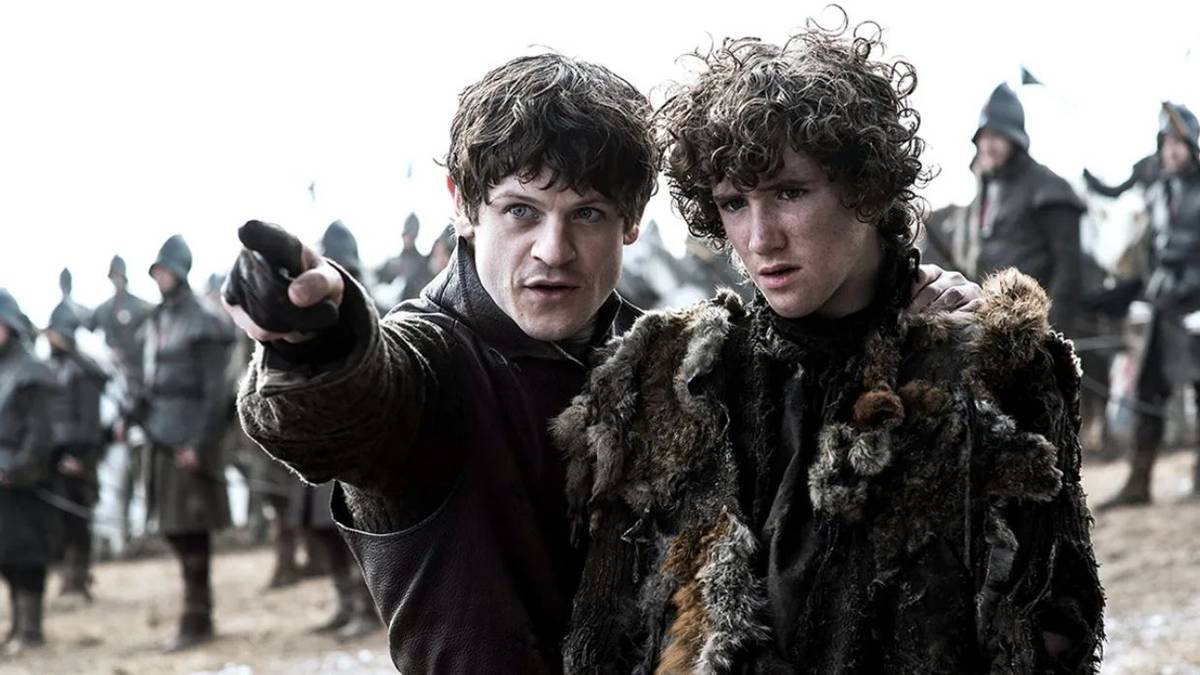
Season 6 is a bloodbath, but every death serves a purpose. Ramsay Bolton kills his father Roose to seize power, only to be fed to his own dogs by Sansa—a chilling moment that raises questions about justice and vengeance. Cersei blows up the Sept of Baelor, wiping out the High Sparrow and Margaery Tyrell, cementing her as the series' ultimate human villain. And Hodor's tragic demise reveals the terrifying extent of Bran's powers, a twist Martin himself had planned but the show executed brilliantly. These aren't just shock deaths; they're turning points that propel the story forward.
Compare this to the books, where major characters often meander through endless subplots. Season 6's willingness to kill off supporting players—like the Blackfish, the Waif, and the Khals—cleared the deck for the main arcs to accelerate. It's no coincidence that this season features some of the series' most iconic moments: Jon Snow's resurrection, the Battle of the Bastards, and Daenerys finally sailing for Westeros.
Thematic Depth
Beyond plot, Season 6 deepened the show's themes. Cersei's ascension to the Iron Throne after her son Tommen's suicide is a devastating commentary on the emptiness of power. Sansa's revenge on Ramsay is cathartic but also unsettling, forcing viewers to question the morality of violence. And Bran's accidental brainwashing of Hodor foreshadows his own cold transformation. These moments resonate because they're earned through seasons of character development, not just book lore.
For readers who love the best books of the 21st century, the show's divergence might sting. But Season 6 proves that adaptation isn't about fidelity—it's about finding the story's core. By cutting the fat and focusing on what mattered, Benioff and Weiss delivered a season that stands alongside the series' best, even if the ending later faltered.
If you're revisiting the series, don't skip Season 6. It's a masterclass in how to adapt—and improve upon—a beloved source material. And for those curious about the books, check out these quick reads to see how Martin's original vision compares.