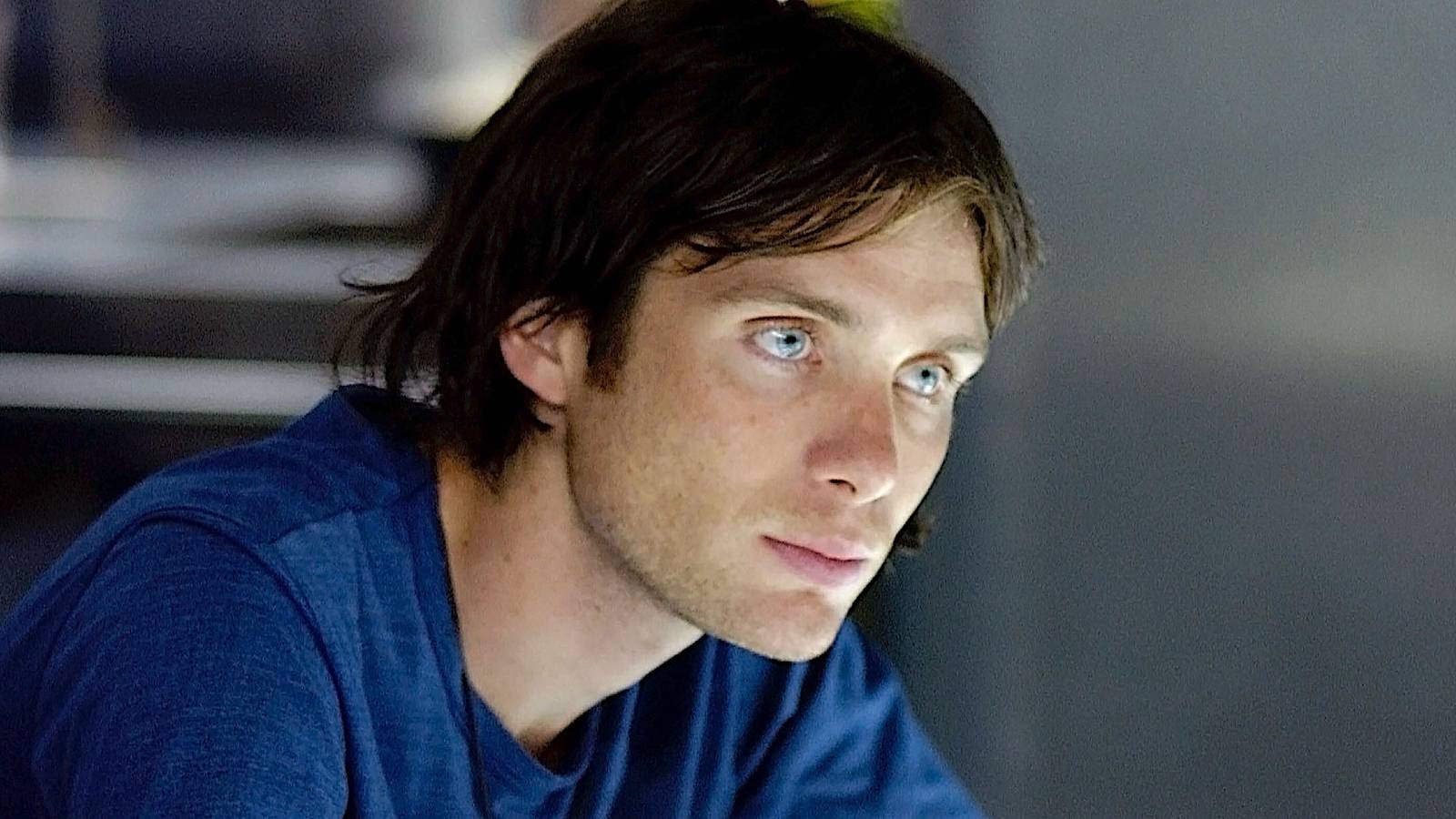
Cillian Murphy has become synonymous with Christopher Nolan's mind-bending epics, but his most profound science fiction role predates Interstellar and remains a hidden treasure. In Danny Boyle's Sunshine (2007), Murphy plays Robert Capa, a physicist aboard the Icarus II, tasked with reigniting a dying sun. This isn't just another space adventure; it's a deeply human story about sacrifice, isolation, and the weight of saving the world.
A Mission Steeped in Desperation
The premise is straightforward: Earth is freezing, and the crew of the Icarus II must deliver a stellar bomb to jumpstart the sun. But the mission is haunted by the failure of Icarus I seven years earlier. When the crew intercepts a signal from the lost ship, they make a risky detour that sets off a chain of catastrophic events. Boyle, working from a script by Alex Garland, uses this setup to explore the psychological toll of space travel, far beyond the typical heroics of blockbuster sci-fi.
Character Over Spectacle
Unlike Nolan's often emotionally distant epics, Sunshine prioritizes the inner lives of its astronauts. The crew, including Chris Evans, Rose Byrne, Hiroyuki Sanada, and Michelle Yeoh, are not cardboard heroes. They are complex, flawed individuals who crack under pressure. Evans, in particular, delivers a standout performance as Mace, a man who appears cold but is driven by a fierce commitment to the mission. His selfless act later in the film—insisting Capa take the last spacesuit—is a gut punch that defines the movie's ethos.
The isolation of space breeds a quiet madness. Capa dreams of falling into the sun, while psychologist Searle (Cliff Curtis) becomes obsessed with its blinding light. Boyle's direction captures this descent with haunting visuals, making the sun itself a character—a source of both life and destruction.
A Visual Masterpiece
Boyle, known for 28 Days Later, proves he can handle big-budget sci-fi with artistic flair. The cinematography is stunning, with the sun's glow serving as a constant reminder of the mission's stakes. The film doesn't spoon-feed its themes; it trusts the audience to grasp the symbolism of the characters' fixation on the sun and their inevitable fates. Each death is foreshadowed in subtle ways, from Mace's early work on the mainframe to Corazon's devotion to the oxygen garden.
This approach makes Sunshine a more emotionally harrowing experience than many of its peers. It's a film that asks big questions about God, humanity, and what we're willing to sacrifice for the greater good. While it didn't light up the box office, it has become a cult classic, and for good reason.
If you're a fan of Interstellar's TARS robot or the emotional depth of Matt Damon's underrated roles, Sunshine offers a similar blend of spectacle and heart. It's a one-night must-watch that proves Murphy's range extends far beyond the Nolan universe.
For those who appreciate unforgettable openings and cinematic voices, Sunshine is a gem worth rediscovering. It's a film that stays with you long after the credits roll, a testament to Boyle's skill and Murphy's powerful performance.