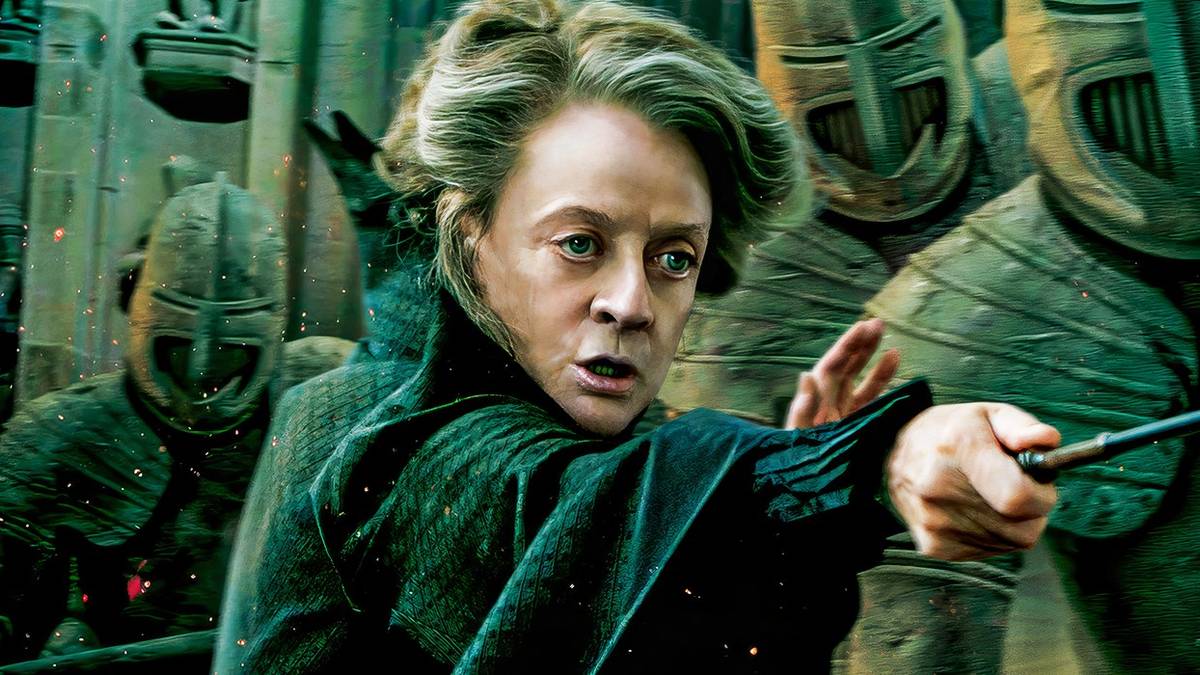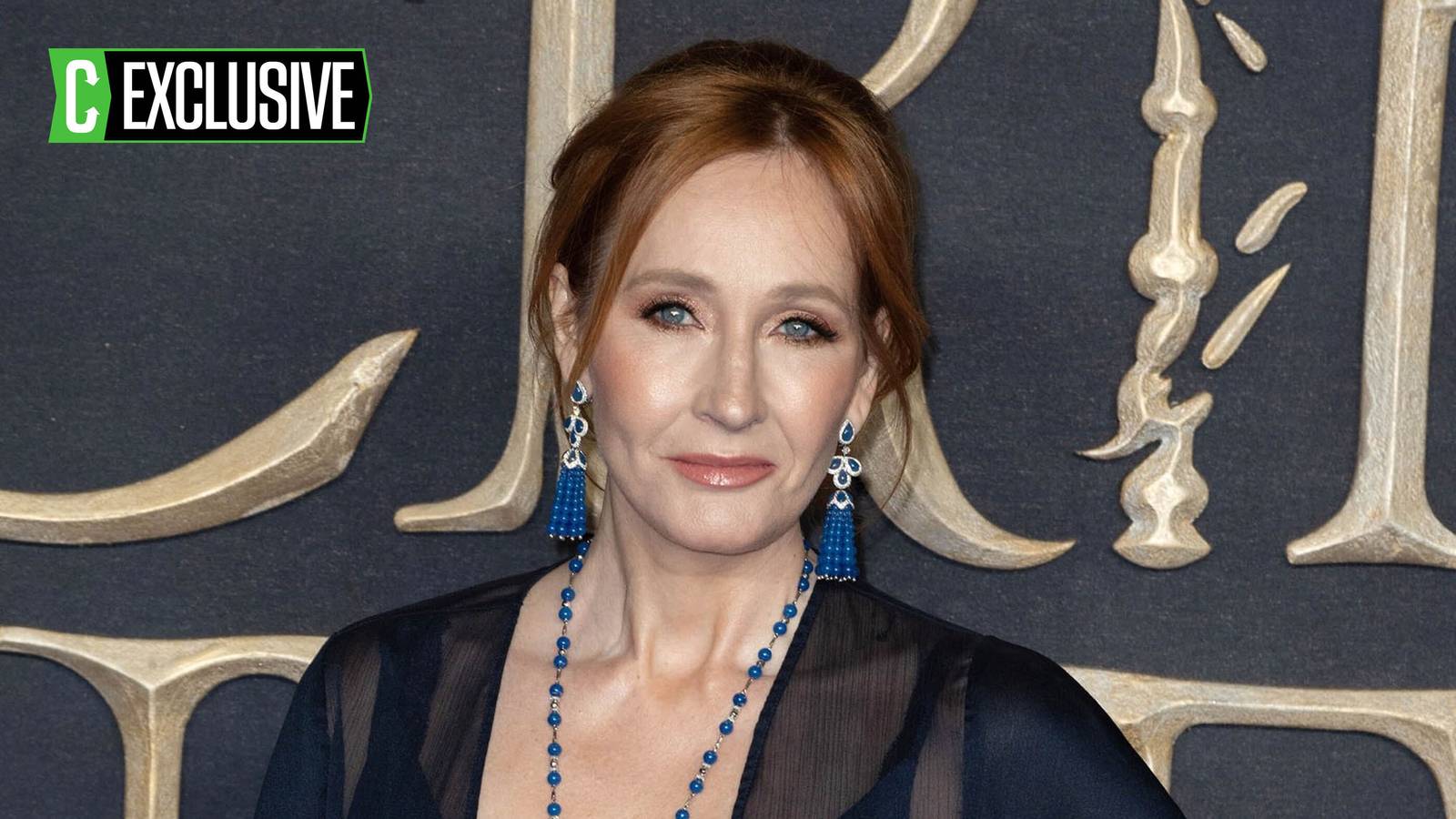
For generations of readers, the dream of seeing every Harry Potter book adapted for television felt like a distant fantasy—until HBO finally made it real. But the excitement is bittersweet for many longtime fans, who find themselves torn between their love for the wizarding world and their discomfort with author J.K. Rowling's controversial views on transgender rights. Few understand this conflict better than Melissa Anelli, the founder of the Leaky Cauldron, who once counted Rowling as a personal friend and even received a foreword from her for the original edition of Harry: A History.
In an exclusive interview with Collider, Anelli shared her perspective on the ongoing debate over whether to boycott the upcoming HBO series. While she respects the principled stance many fans have taken, she questions whether withholding viewership will actually have any meaningful impact on Rowling's behavior or bank account.
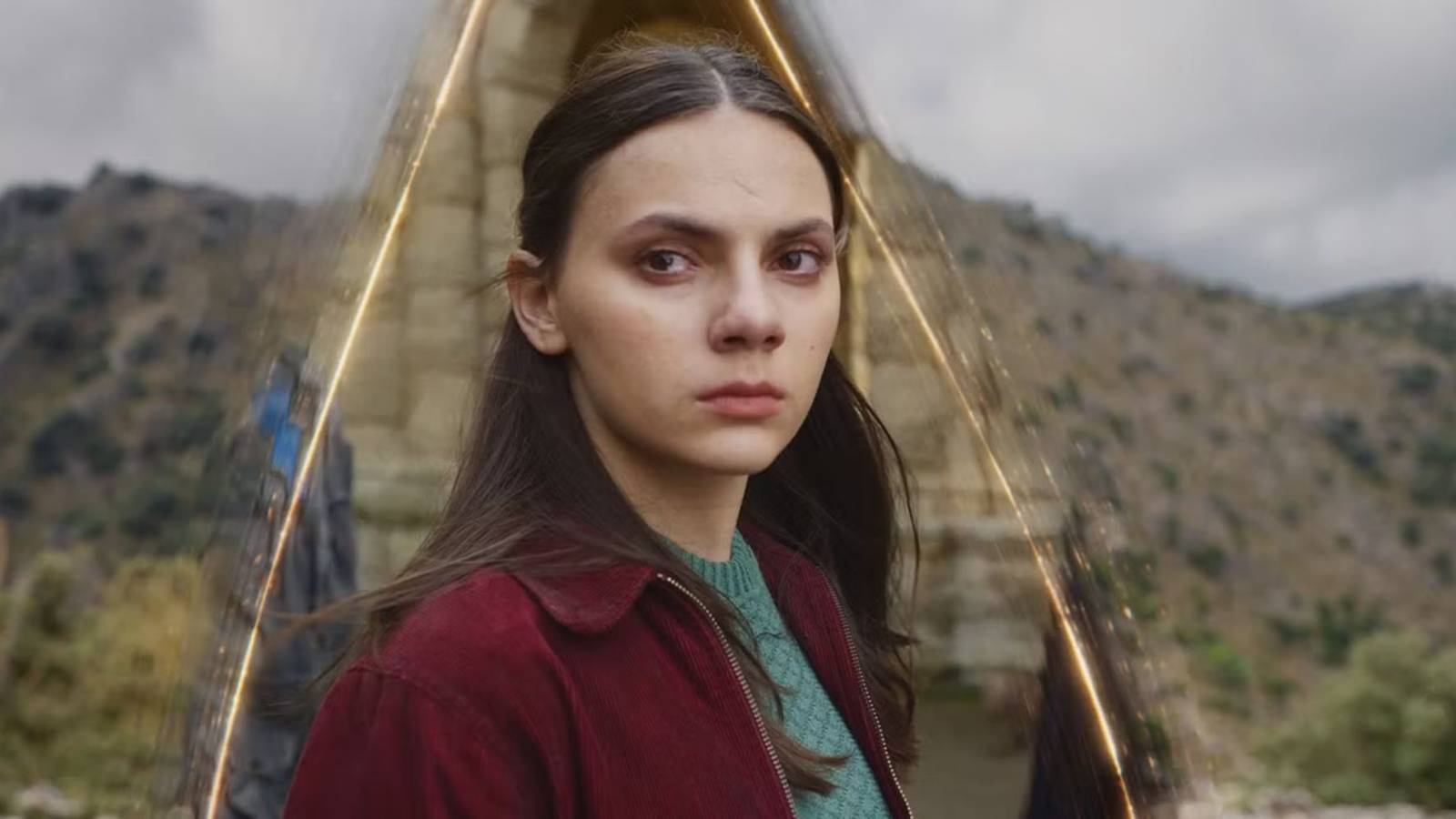
“I think when people say, ‘I'm gonna not watch it because it's the way it'll affect her in the pocketbook,’ I think they're not really managing what the reality is,” Anelli said. “She has more money. Money is theoretical to her, and if this series wasn't happening, and she never made another dollar [from] Harry Potter for the rest of her life, it would not change what she's doing one single bit.”
Anelli's comments come as HBO prepares to adapt all seven novels, a project that has already generated significant buzz—and controversy. The first look at Fred and George Weasley in the series has sparked excitement, but for many, the shadow of Rowling's politics looms large.
Anelli, who has spent years wrestling with the question of separating art from the artist, believes there's a more constructive approach than simply turning away. She revealed that she's already thinking about how to handle the situation with her young daughter, who may one day discover the magic of Hogwarts.
“I think a better way to go about it would be to let her read it if she wants. It's a story. It's a story that's part of the shared culture. But it's my responsibility as a parent to also tell her about what the author stands for and what happened before and what happened after,” Anelli explained.
This nuanced perspective is echoed in the updated edition of Harry: A History, which revisits the cultural phenomenon of the books and examines how the fandom has evolved. Notably, Rowling's foreword was cut from the new edition, a decision that reflects the shifting relationship between the author and her most devoted followers.
Anelli also shared plans to revitalize the Leaky Cauldron website, potentially using it to organize charitable initiatives supporting transgender people. For her, the Harry Potter community still has the power to do good, even if its connection to the woman who created it has changed irreparably.
While some fans hope the HBO series could heal the fandom's deepest wounds, Anelli's advice is more pragmatic: focus on what can be done now, rather than hoping a boycott will alter Rowling's course. As she put it, the real change comes from conversations, education, and community action—not from refusing to watch a show.
The updated Harry: A History is available now, offering a fresh look at the fandom's journey and its ongoing evolution. For those still deciding whether to tune into HBO's adaptation, Anelli's words offer a thoughtful reminder that the magic of Harry Potter lies not in its creator, but in the community it inspired.