The 1980s and 1990s were a golden era for sitcoms, with shows like Cheers, Seinfeld, and The Fresh Prince of Bel-Air setting the standard for what made a successful comedy. But not every show followed the formula. Some creators decided to push the boundaries of what a sitcom could be, often with results that were more confusing than hilarious. These five shows were so strange that they barely lasted a season, proving that sometimes there's a fine line between innovative and just plain weird.
5. The People Next Door (1989)
Before he was known for horror classics like A Nightmare on Elm Street, Wes Craven took a detour into sitcom territory with The People Next Door. The show starred Jeffrey Jones as Walter Kellogg, a widowed cartoonist who discovers he can bring his imagination to life. While that premise sounds like a fun twist on the classic family sitcom, the execution was anything but lighthearted.
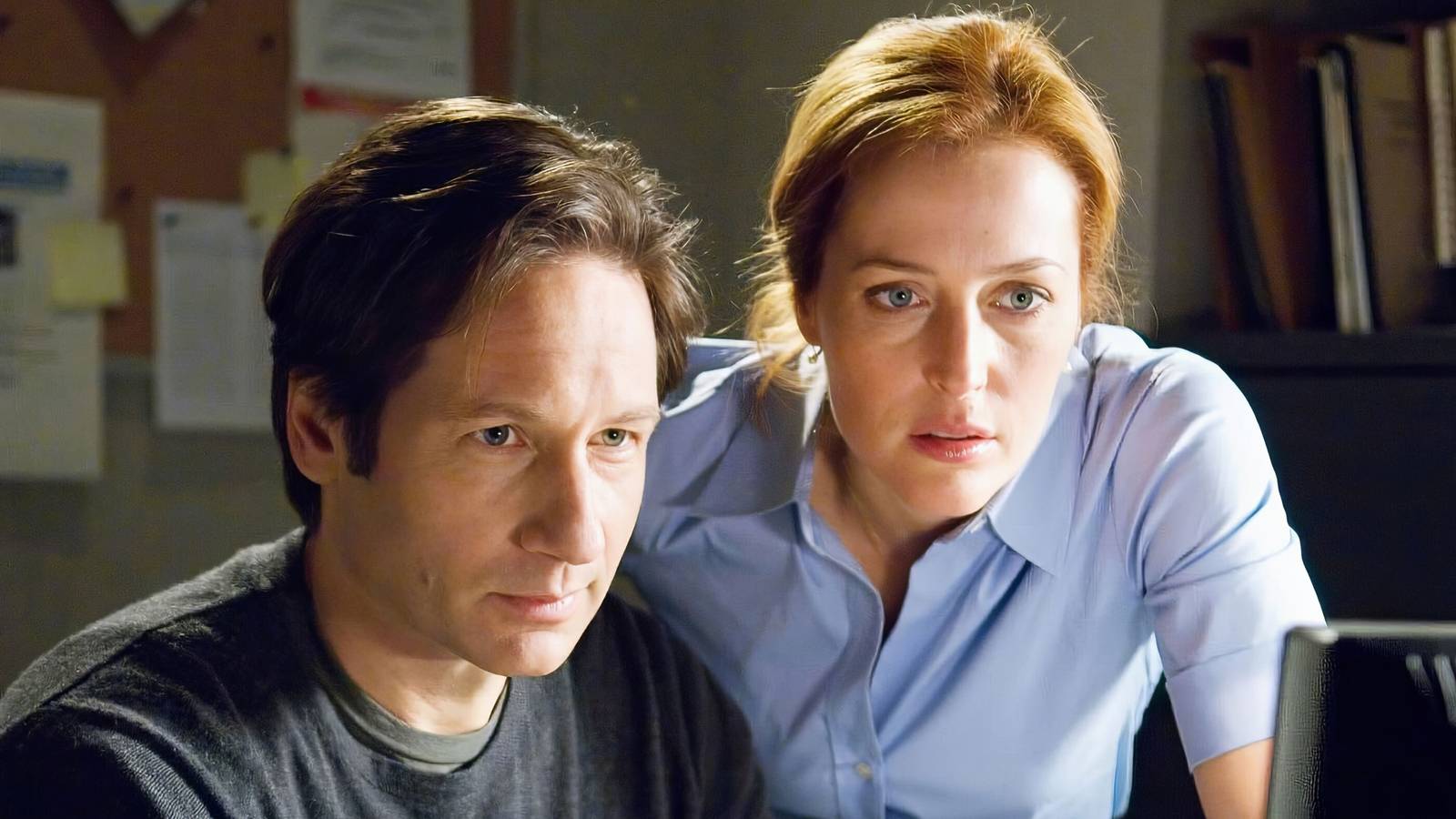
Instead of whimsical, the show felt unsettling, with Walter's mood swings and the constant threat of his creations spiraling out of control. It was as if the audience was watching a man slowly lose his grip on reality, which is not exactly the recipe for a laugh track. Craven was busy filming Shocker at the time, so he wasn't heavily involved, and the writers hired to make it more network-friendly only added to the tonal confusion. Despite a cast that included comedy veterans like Leslie Jordan and Mary Gross, The People Next Door aired only five of its ten produced episodes before being pulled. It's a fascinating footnote in Craven's career, and he would later return to the suburbs for the horror film The People Under the Stairs.
4. The Charmings (1987-1988)
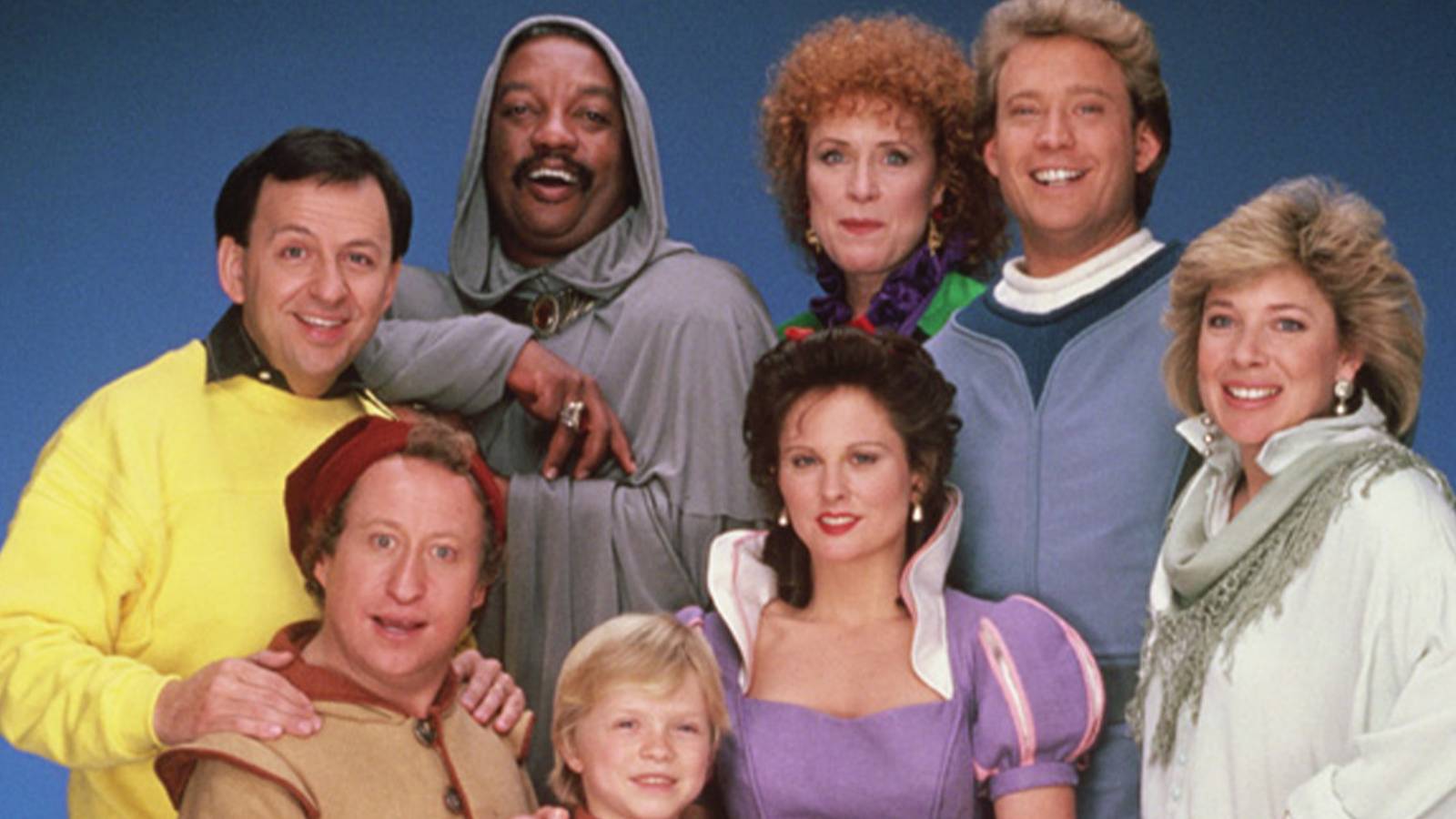
Long before Once Upon a Time and Enchanted made fairy tales modern, The Charmings tried to do just that. The show followed Snow White, Prince Charming, and their family as they woke up from a thousand-year sleep to find themselves living in 1980s suburbia. It was a classic fish-out-of-water setup, but the show struggled to find its footing once the initial novelty wore off.
The show managed to eke out a second season, but only just, with 21 episodes total. It had its moments, thanks in large part to Judy Parfitt as the wicked stepmother and Paul Winfield as the Magic Mirror, but the overall effect was more community theater than prime-time comedy. The jokes about poisoned apples and magic spells quickly grew thin, and the cast often looked as confused as the audience. The Charmings is a reminder that even the most magical concepts can fall flat without a strong script.
3. What a Dummy (1990)
If there's one thing that's universally creepy, it's a ventriloquist's dummy. So it's a mystery why anyone thought making one the star of a sitcom was a good idea. What a Dummy centered on a family that inherits a living dummy named Buzz from their great-uncle Jackie. Instead of burning it, they treat Buzz like a quirky relative who offers unsolicited advice and bad jokes.
The show never explained why Buzz was alive or how he came to be that way; it just expected audiences to accept it. But unlike Alf, who had charm and a clear backstory, Buzz was just a wooden character with a wisecracking attitude. The show was made for syndication and ran for 24 episodes, but it was canceled after one season. It's a prime example of a concept that sounds better on paper than it plays on screen.
2. Woops! (1992)
Imagine a sitcom set after a nuclear apocalypse. That's the premise of Woops!, which followed a group of survivors who band together on a farm after a missile accidentally wipes out most of humanity. The show tried to balance dark humor with broad comedy, but the result was a tonal mess.
The survivors dealt with mutated spiders, giant turkeys, and hallucinogenic berries, all while trying to rebuild society. One episode even tackled the issue of impotence, which is not exactly standard sitcom fare. The show was created by Gary Jacobs and executive produced by Paul Junger Witt, both of whom had worked on hits like Empty Nest and The Golden Girls, but even their pedigree couldn't save this one. Audiences in 1992 weren't ready for a post-apocalyptic comedy, and the show was canceled after just a few episodes. It would take another decade and a half for The Last Man on Earth to prove that the end of the world could be funny.
1. On the Air (1992)
Topping our list is On the Air, a sitcom created by David Lynch and Mark Frost, the minds behind Twin Peaks. The show was set in the 1950s and followed the production of a live television variety show, with all the chaos and absurdity that entailed. It was a behind-the-scenes look at the entertainment industry, but with Lynch's signature surrealism.
The show was so bizarre that it was canceled after just three episodes, though seven were produced. It featured a cast of eccentric characters, including a director who couldn't see and a sound engineer who was a former Nazi. The humor was dark and the situations were often nonsensical, making it a tough sell for mainstream audiences. Despite its short run, On the Air has gained a cult following over the years, with fans appreciating its unique blend of comedy and Lynchian weirdness.
These five shows may have been too strange for their time, but they paved the way for more experimental comedies. They remind us that sometimes the most memorable TV is the kind that doesn't quite fit the mold. For more on the weird and wonderful world of entertainment, check out our list of Gary Larson's most genius comics or dive into the most gut-wrenching Black Mirror episodes.