Adapting a book into a movie is never a straightforward task. Filmmakers must condense, reshape, and sometimes soften the source material to fit the constraints of a visual medium. While some adaptations manage to capture the essence of the original, many end up tamer than the books that inspired them. The following seven novels stand out as far more intense, brutal, and emotionally devastating than the films they spawned.
The Body vs. Stand by Me
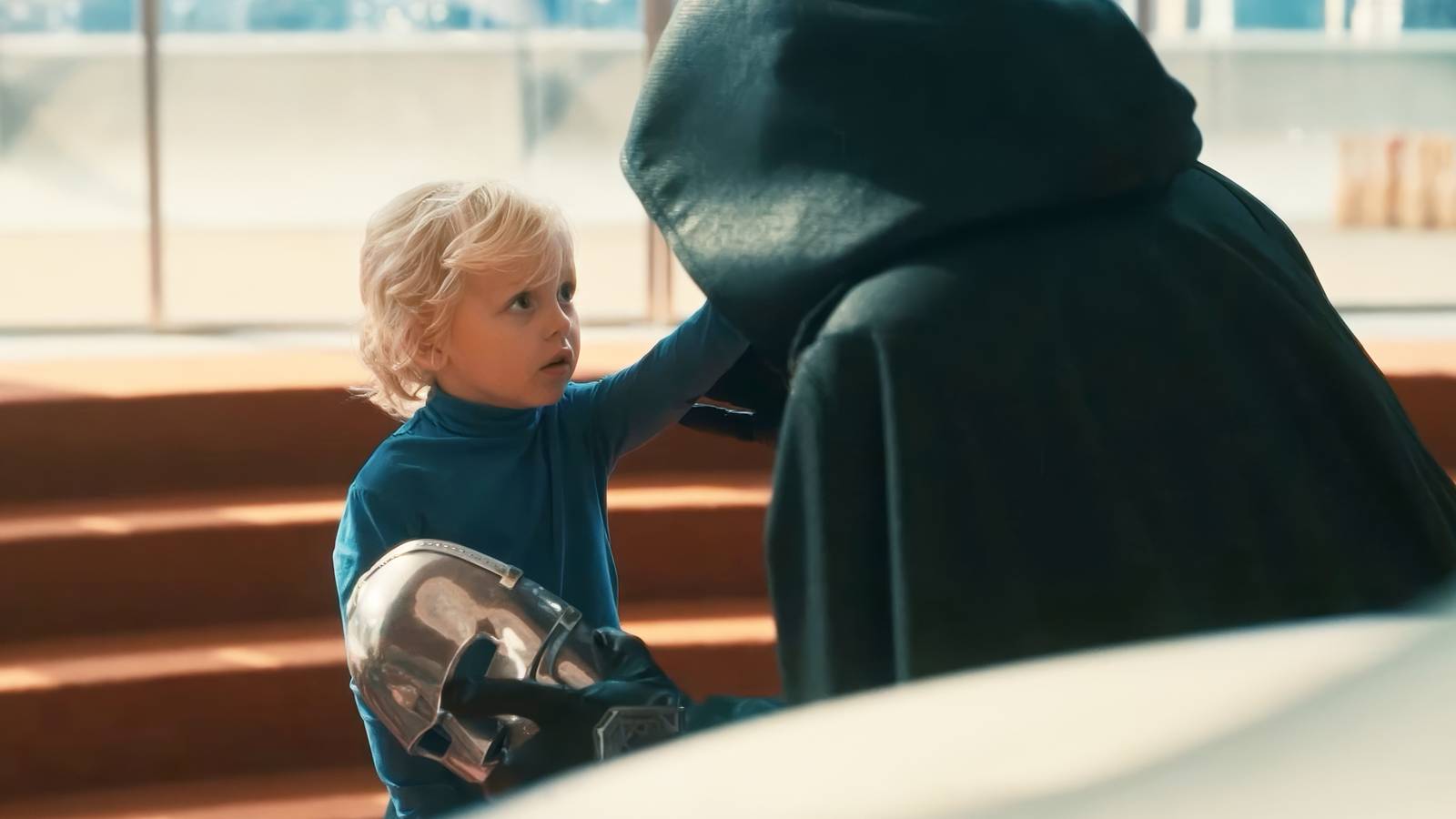
Stephen King's novella The Body (1982) is a coming-of-age story about four boys who set out to find a dead body. The film adaptation, Stand by Me (1986), is a beloved classic, but it softens the edges of King's original. The book is unflinchingly bleak, with a narrator who reflects on a life marked by tragedy and loss. The movie, while still poignant, offers a more bittersweet resolution, leaving its protagonist in a relatively peaceful place. In contrast, the novella's ending is haunting, suggesting that the harsh lessons of childhood echo into adulthood with devastating consequences.
L.A. Confidential: A Darker Noir
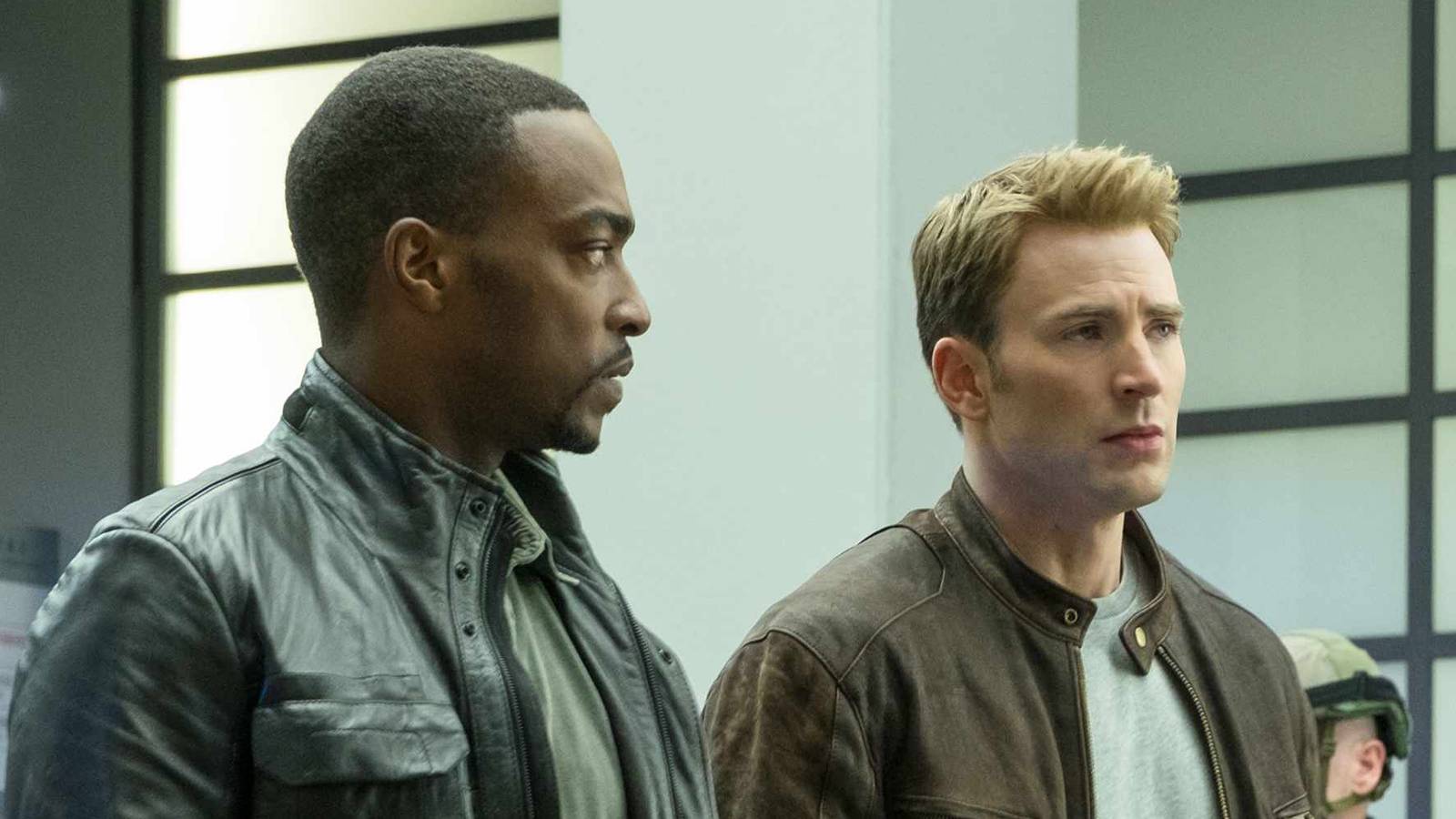
James Ellroy's L.A. Confidential (1990) is a sprawling crime epic that was adapted into a critically acclaimed 1997 film. The movie captures the corruption and violence of 1950s Los Angeles, but it pales in comparison to the novel's unrelenting darkness. Ellroy's prose is visceral, with graphic depictions of violence and moral decay that the film only hints at. The characters in the book are more deeply flawed, committing acts that are far more heinous than anything shown on screen. The novel's intricate plot, with its multiple conspiracies and betrayals, feels even more troubling when experienced on the page.
And Then There Were None: A Gentler Adaptation
Agatha Christie's And Then There Were None (1939) is a masterpiece of suspense, but the first major film adaptation in 1945 softened its grim conclusion. The novel is a chilling tale of ten strangers lured to an island, where they are murdered one by one. The book's ending is shocking and nihilistic, while the movie offers a more conventional, less disturbing resolution. Later adaptations have been more faithful, but the original novel remains the most intense version of this classic mystery.
Blonde: A Harrowing Portrait
Joyce Carol Oates's Blonde (2000) is a fictionalized biography of Marilyn Monroe that reads more like a horror novel than a celebrity tell-all. The book is a relentless exploration of abuse, exploitation, and the dark underbelly of Hollywood. The 2022 film adaptation, directed by Andrew Dominik, is itself controversial and graphic, earning an NC-17 rating. Yet, even with its explicit content, the movie cannot match the sheer intensity of Oates's 700-page novel. The book's unflinching portrayal of Monroe's suffering is far more harrowing than anything the film could depict.
Other Notable Mentions
While the above examples are particularly striking, there are other books that also outdo their film adaptations in intensity. For instance, American Psycho by Bret Easton Ellis is far more graphic and disturbing than the 2000 film starring Christian Bale. Similarly, Richard Price's The Wanderers (1974) is a gritty, violent look at gang life in the Bronx, which was toned down for the 1979 movie. These novels, like the others on this list, demonstrate that some stories are simply too raw for the constraints of cinema.
For readers who appreciate the darker side of literature, these books offer a more intense experience than their cinematic counterparts. And for those who prefer their stories with a bit more edge, exploring the original texts is a must. If you're looking for more literary recommendations, check out our ranking of the greatest American novels or our list of compact classics under 100 pages.