Marvel's television series have often served as narrative bridges between blockbuster films, but 'Daredevil: Born Again' Season 2 is breaking the mold by weaving a story that runs parallel to the cinematic universe in real time. Following the epic showdowns teased for the season, the premiere episode delivers a subtle yet significant link to the recent film Thunderbolts*, raising major questions about the future of a key MCU power player.
The Mysterious Mr. Charles
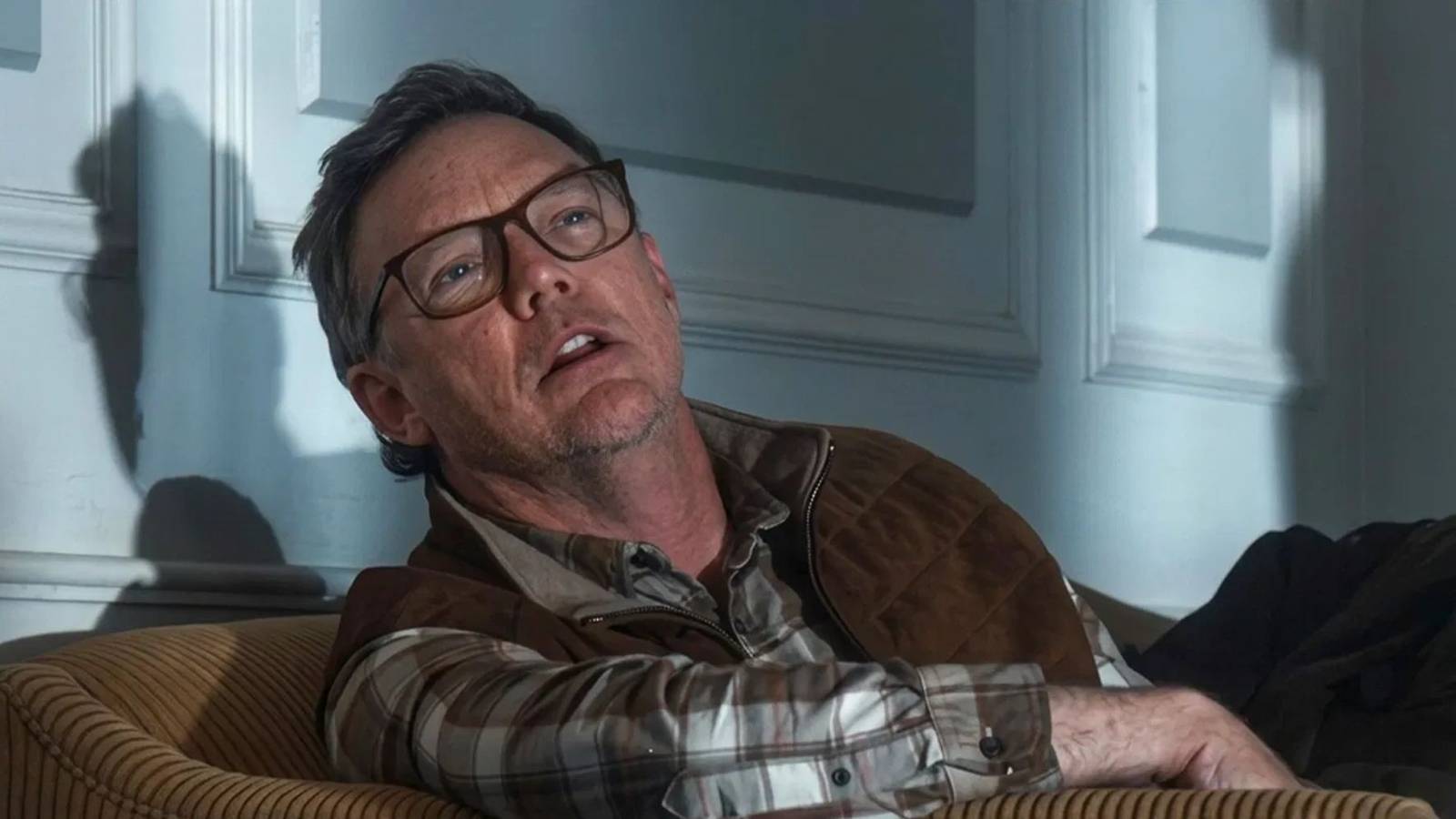
The new season introduces a formidable antagonist in Mr. Charles, portrayed by Matthew Lillard. This CIA operative arrives in New York under the guise of assisting Mayor Wilson Fisk (Vincent D'Onofrio), but his true mission appears to be keeping the powerful Kingpin under federal surveillance. In a crucial scene, the source of his authority is revealed: he is acting on the direct orders of CIA Director Valentina Allegra de Fontaine (Julia Louis-Dreyfus). A brief but telling phone call from the Contessa confirms her involvement in Hell's Kitchen's latest power struggle, a move that seems to directly clash with where we last left her character.

Contradicting a 'Thunderbolts' Finale
This development creates a fascinating contradiction. In Thunderbolts*, Valentina's clandestine misuse of government resources placed her under intense scrutiny. The film's conclusion saw her attempting to publicly co-opt the heroics of the newly formed team—dubbed the New Avengers—only to be warned by Yelena Belova (Florence Pugh) that the heroes would be watching her every move. It appeared her wings had been clipped, forcing her to operate within stricter boundaries. 'Daredevil: Born Again' Season 2 suggests that period of forced compliance was remarkably short-lived.
The phone call to the Attorney General, which Mr. Charles anticipated, results in an immediate and stark reversal. After addressing Valentina by name, the AG's hostile stance toward Mayor Fisk dissolves, replaced by a promise of support with minimal oversight. While the exact conversation remains private, the implication is clear: Valentina is leveraging her influence to shield a known criminal like Fisk, implying she is back to her old, shadowy games. This isn't just a cameo; it's a narrative pivot that reopens her story.
Valentina's Endgame Remains Unclear
What is the Contessa's goal in New York? Her actions have consistently walked the line between lawful authority and villainous manipulation, a role she's played since her MCU introduction. Now, with the New Avengers established as a public entity, her clandestine work carries greater risk. Using proxies like Fisk and Mr. Charles allows her to maintain plausible deniability, but her specific interest in the weapons trafficking through Red Hook remains a mystery. Her machinations now seem to place her in direct, if hidden, opposition to the very heroes she recently tried to claim credit for creating.
This layered storytelling demonstrates how 'Daredevil: Born Again' is evolving the MCU's interconnected model. Rather than simply setting up future films, the show is actively expanding and complicating ongoing narratives, much like how certain animated series reveal deeper layers upon review. The inclusion of Valentina's plotline suggests the street-level drama of Hell's Kitchen is inextricably linked to the highest echelons of MCU power politics.
A Delicate Balance of Power
Valentina Allegra de Fontaine is once again playing a dangerous double game. Her involvement in 'Daredevil: Born Again' Season 2 confirms that her character arc is far from over and that her apparent defeat in Thunderbolts* was merely a temporary setback. As the season progresses, fans will be watching to see if the New Avengers become aware of her continued scheming and how figures like Daredevil and a questing Bullseye fit into this wider conspiracy. One thing is certain: in the Marvel Cinematic Universe, even an ending as definitive as Thunderbolts* can be just the beginning of a new, more secretive chapter.