Book-to-screen adaptations are a mixed bag. Some elevate the source material, others fall flat, and a rare few manage to capture lightning in a bottle. But what about the books that remain untouched by Hollywood? These are the so-called 'unadaptable' novels—works so complex, so sprawling, or so singular in their vision that no filmmaker has dared to take them on. Here are ten of the best, ranked, that you'll have to experience in their original form.
10. The Big Nowhere (1988)
James Ellroy's L.A. Quartet is a cornerstone of neo-noir crime fiction, and while L.A. Confidential got a stellar film adaptation, its sibling novel The Big Nowhere remains untouched. Set in 1950s Los Angeles, it's a brutal, morally murky tale of three men caught in a web of corruption and violence. Its dense plotting and unflinching darkness make it a tough nut to crack for any screenwriter, but for readers, it's a masterclass in hard-boiled storytelling.
9. The Wolf's Hour (1989)
Robert McCammon's The Wolf's Hour is a genre-bending thrill ride that combines World War II espionage with a werewolf protagonist. The story jumps between the present-day mission and flashbacks to how the hero became a lycanthrope, offering a unique blend of historical fiction and horror. While the structure and special effects would be a challenge, the real hurdle is the budget—this one would need a blockbuster-sized investment to do it justice.
8. Stoner (1965)
John Williams's Stoner is a quiet, devastating portrait of an ordinary man's life, from his humble beginnings as a farmer's son to his career as a university professor. It's a book that rewards rereading at different stages of life, as its themes of love, loss, and quiet resilience resonate differently with age. A film adaptation was announced years ago but never materialized—perhaps because capturing the novel's understated power is nearly impossible.
7. Underworld (1997)
Don DeLillo's Underworld is a sprawling, ambitious novel that weaves together the story of a baseball, the Cold War, and American culture from the 1950s to the 1990s. Its non-linear structure and dense thematic layers make it a daunting prospect for adaptation. Even a miniseries would struggle to contain its scope, and a film would have to jettison so much that it would lose what makes it great. It's a book that demands to be read, not watched.
6. Most of The Dark Tower (1982–2004)
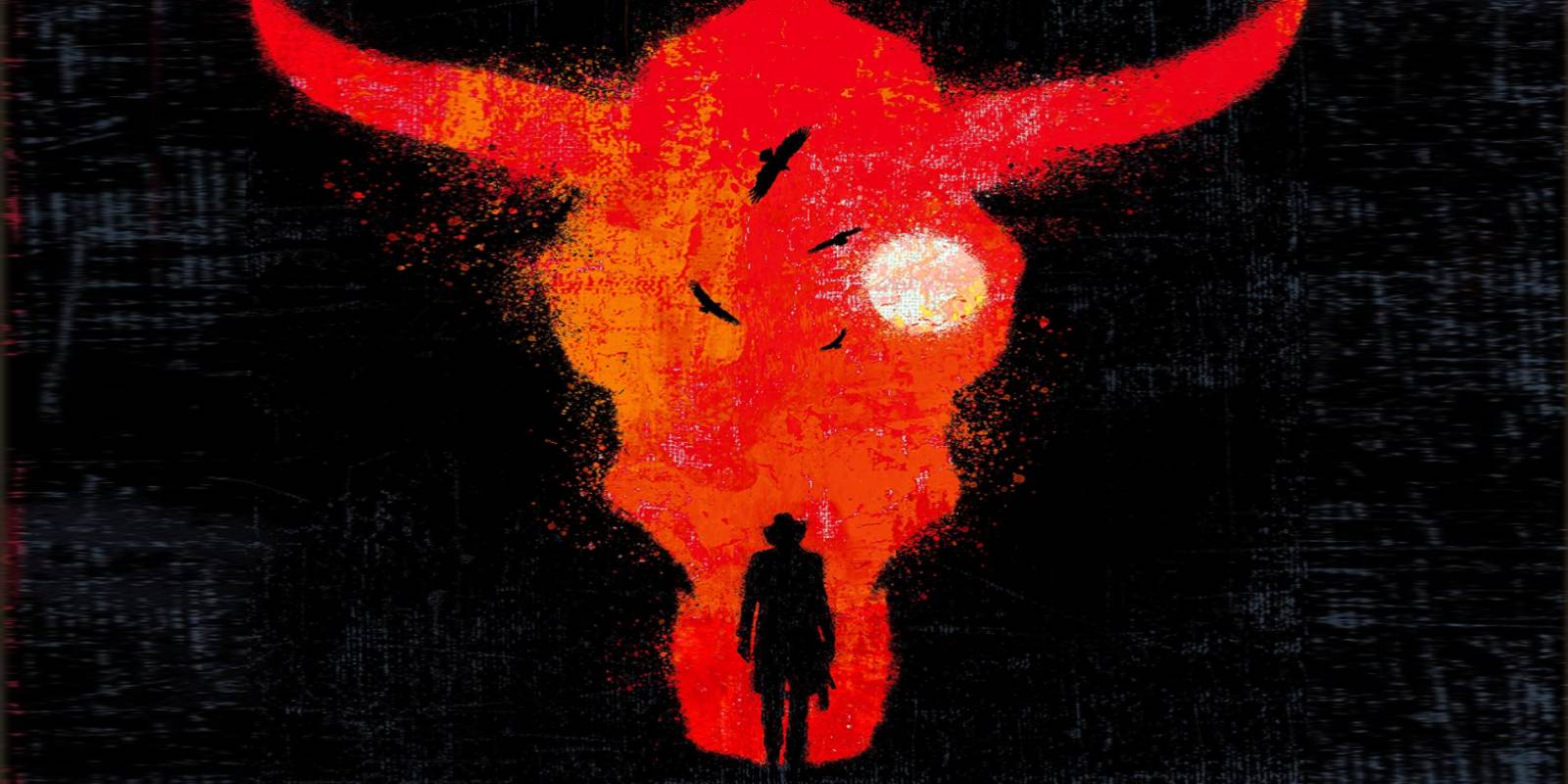
Stephen King's epic fantasy-horror series is a genre-defying saga that blends Westerns, Arthurian legend, and post-apocalyptic sci-fi. The 2017 film adaptation was a critical and commercial failure, and it only loosely adapted the first book, The Gunslinger. With seven main volumes, the series remains largely unadapted, and its sprawling narrative and tonal shifts make it a monumental challenge for any filmmaker. For now, readers can only imagine the journey to the Dark Tower.
5. Blood Meridian (1985)
Cormac McCarthy's Blood Meridian is often cited as the Great American Novel, but its relentless violence and philosophical depth have kept it off the screen. The story of a teenage runaway who joins a gang of scalp hunters in the Mexican-American borderlands is a harrowing exploration of human nature. Directors like John Hillcoat have tried, but the novel's bleakness and lack of a traditional hero make it a near-impossible adaptation.
4. Infinite Jest (1996)
David Foster Wallace's Infinite Jest is a postmodern behemoth, a 1,000-page novel that defies easy summary. Set in a near-future North America, it's a satirical look at entertainment, addiction, and family, with footnotes that spiral into their own narratives. Its sheer length and complexity have deterred any serious adaptation attempts, though rumors of a miniseries have surfaced over the years. For now, it remains a literary Everest.
3. The Secret History (1992)
Donna Tartt's debut novel is a campus thriller about a group of elite classics students who commit murder. It's a gripping, atmospheric read that has been in development hell for decades, with various directors attached and dropped. The challenge lies in capturing the novel's intellectual tension and moral ambiguity—elements that are easier to convey in prose than on screen.
2. The Gormenghast Trilogy (1946–1959)
Mervyn Peake's Gormenghast series is a gothic fantasy like no other, set in a vast, crumbling castle where ritual and decay reign supreme. The prose is lush and poetic, and the world-building is so intricate that it's hard to imagine a visual medium doing it justice. A BBC adaptation in 2000 covered the first two books, but the third, Titus Alone, remains unadapted, and the series as a whole is ripe for a modern, ambitious retelling.
1. The Book of the New Sun (1980–1987)
Gene Wolfe's The Book of the New Sun is a science-fantasy masterpiece that follows Severian, a torturer's apprentice, on a journey through a far-future Earth. The narrative is unreliable, the world is alien yet familiar, and the prose is dense with allusion and symbolism. It's a work that rewards careful reading, and any adaptation would risk flattening its layers of meaning. It's the ultimate unadaptable book—and that's exactly why it's so beloved.
These novels are not just great books; they're testaments to the power of the written word. While we may someday see them on screen, for now, they remind us that some stories are best experienced in the quiet, immersive space of our own imagination.