The past fifteen years have been a golden era for literary fiction, producing novels that defy easy categorization. Family sagas expand into sweeping histories of migration, climate fiction becomes deeply personal, and experimental structures—like a PowerPoint presentation in a music industry tale—feel entirely natural. These books don't just tell stories; they create worlds that stay with you long after the final page.
What sets the best apart is their ability to pack a lifetime of emotion into their premises. You remember the clever twists and inventive formats, but you also remember the quiet moments—a child clutching a stolen painting because it connects him to his mother. These novels are rich with ideas, but more importantly, they're filled with characters worth caring about. Here are the six best books released since 2010, ranked.

6. Station Eleven (2014)
Emily St. John Mandel's Station Eleven opens with actor Arthur Leander collapsing on stage during a performance of King Lear, the same night a deadly flu pandemic sweeps the globe. Twenty years later, civilization has crumbled, and Kirsten Raymonde travels the Great Lakes with the Traveling Symphony, a troupe of actors and musicians performing Shakespeare for scattered survivors. The novel weaves between pre- and post-pandemic timelines, revealing how Arthur, Kirsten, his former wives, an unfinished comic book, and seemingly minor encounters are all connected.
Mandel isn't interested in the apocalypse as spectacle. Instead, she explores what people choose to preserve once survival is assured. The Symphony performs because art feeds the soul, not just the body. Clark builds a Museum of Civilization from discarded objects—dead phones, credit cards, passports—that once seemed mundane. The mysterious Dr. Eleven comics become a bridge between lives separated by catastrophe. Reading it after our own pandemic adds a haunting layer Mandel couldn't have anticipated. Station Eleven asks what civilization truly consists of, and its answers are more tender than concrete and electricity.
5. The Goldfinch (2013)
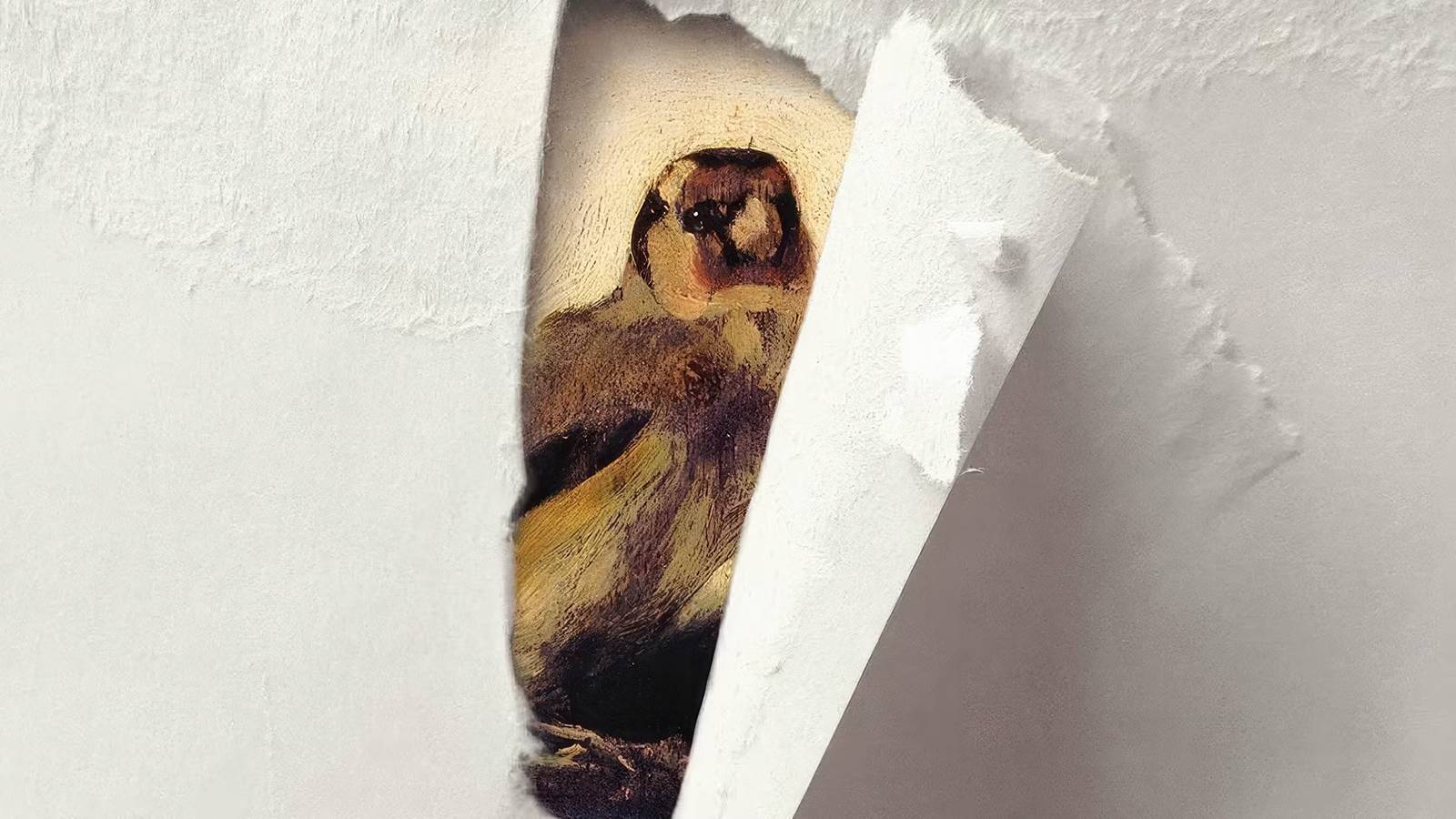
Donna Tartt's Pulitzer Prize-winning The Goldfinch begins with a bombing at the Metropolitan Museum of Art that kills thirteen-year-old Theo Decker's mother. In the chaos, Theo walks out with Carel Fabritius's tiny 17th-century painting, The Goldfinch. The novel follows Theo for nearly eight hundred pages as he navigates grief, relocation, addiction, friendship, and crime, all while hiding the painting.
Theo's years in Las Vegas with his friend Boris are particularly vivid—two boys creating a feral version of family amid drinking, stealing, and drug use. Later, Hobie's antique shop offers a different relationship with damaged objects, one of restoration rather than possession. The painting accumulates meaning as Theo changes: it's evidence, contraband, beauty, guilt, and a lifeline to his mother. The book sparked endless debates about literary taste, but its sprawling, excessive nature is exactly what makes it unforgettable.
4. The Overstory (2018)
Richard Powers' The Overstory is a novel that thinks like a forest. It introduces a cast of characters in separate stories—an artist descended from a family that photographed the same chestnut tree for generations, a scientist whose research on tree communication ruins her career, and others whose lives converge around environmental activism. The book's structure, divided into Roots, Trunk, Crown, and Seeds, mirrors the very organisms it celebrates.
Once these lives intersect, the novel's scale becomes almost unnerving. Patricia Westerford's research suggests forests are communities exchanging information, while characters like Nick, Olivia, and Adam move from private dissatisfaction to radical acts of protest. Powers never reduces environmentalism to a simple morality tale; the consequences are real and painful. The most profound shift happens in the reader's perception—trees that once merited a passing glance now feel like lives on a timescale we can barely comprehend. The Overstory won the Pulitzer and will make you look up more often on your next walk.
3. Pachinko (2017)
Min Jin Lee's Pachinko is an epic family saga that begins with Sunja, a Korean girl born under Japanese occupation. When she becomes pregnant by a wealthy married man, a sickly Christian minister named Isak offers her marriage and takes her to Osaka. The novel follows four generations of this family as they navigate poverty, discrimination, war, and the constant struggle of being outsiders in Japan.
Lee's prose is spare but devastating, capturing the quiet dignity of people who endure unimaginable hardship. The pachinko parlors that give the book its title become a metaphor for the randomness of fate and the ways people gamble with their lives. Pachinko is a sweeping, compassionate portrait of resilience and identity, and it's no surprise it became a bestseller and was adapted into a acclaimed TV series. For more on stories that linger, check out our list of the saddest books ever written.
2. The Underground Railroad (2016)
Colson Whitehead's The Underground Railroad reimagines the historical network as an actual railroad, with tracks and tunnels running beneath the American South. Cora, a young enslaved woman, escapes a Georgia plantation and travels through states that each represent a different version of America—some terrifyingly regressive, others deceptively progressive. Whitehead's blend of historical fiction and speculative elements creates a powerful allegory for the Black experience.
The novel is unflinching in its depiction of slavery's brutality, but it's also a story of hope and resistance. Cora's journey is harrowing, yet her determination never wavers. Whitehead won the Pulitzer and the National Book Award for this masterpiece, and it remains essential reading. If you're drawn to stories with bold ideas, you might also enjoy our ranking of sci-fi's flawless gems.
1. A Little Life (2015)
Hanya Yanagihara's A Little Life is a devastating, monumental novel that follows four college friends in New York City over decades. At its center is Jude St. Francis, a brilliant lawyer with a traumatic past that he keeps hidden even from his closest friends. The book explores themes of love, friendship, trauma, and the limits of human endurance.
Yanagihara's prose is both beautiful and brutal, and the novel's length (over 700 pages) allows for an immersive, almost unbearable intimacy. It's a book that has sparked intense debate—some call it a masterpiece, others find it emotionally manipulative—but there's no denying its power. A Little Life is a once-in-a-generation reading experience that will leave you shattered and changed. For more on books that pack an emotional punch, see our list of the best novels since 2020.
These six novels represent the best of modern literature—stories that push boundaries, challenge readers, and stay with you long after you've turned the final page. Whether you're looking for a sweeping saga or an intimate character study, these books are essential additions to any reading list.