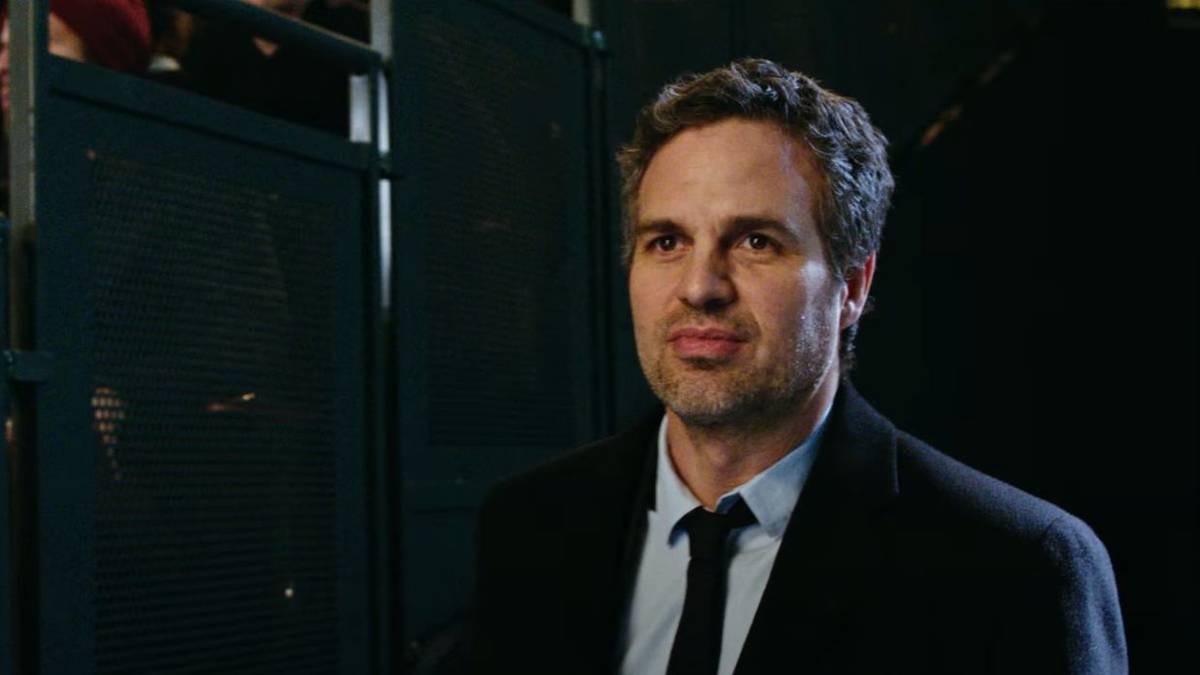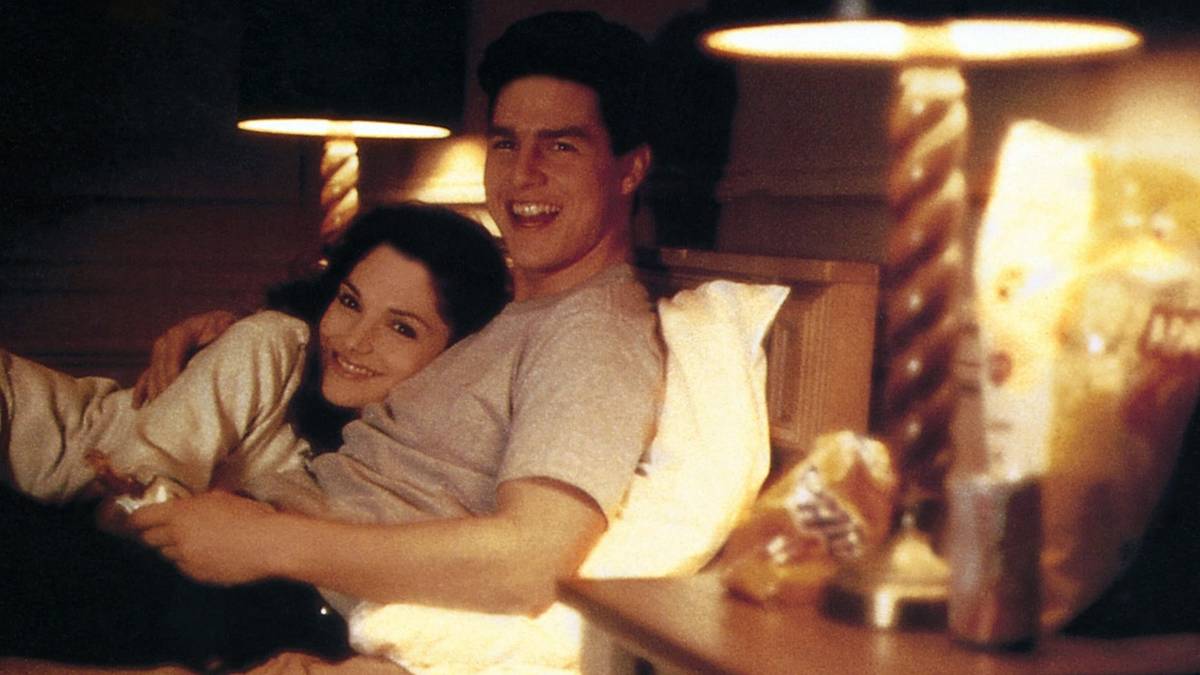
Tom Cruise is clearly in a nostalgic mood, revisiting his '80s blockbusters with Top Gun: Maverick and the recently announced Days of Thunder sequel alongside Anne Hathaway. But there's one gem from his early filmography that has been unfairly overlooked: The Color of Money (1986). Directed by Martin Scorsese and co-starring Paul Newman, this pool-hustler drama captured Cruise at his most magnetic and rebellious—and it already proved the power of a legacy sequel decades before the term became Hollywood's favorite cash grab.
Unlike the high-octane, sun-drenched worlds of Top Gun and Days of Thunder, The Color of Money traded fighter jets and race cars for smoky pool halls and psychological warfare. Scorsese, fresh off After Hours, brought his signature grit to the sports genre, crafting a story about mentorship, ambition, and the ghosts of the past. It was a far cry from the pop-music montages of typical '80s sports flicks, and it gave Cruise a chance to stretch beyond his usual charm.
A Sequel Decades in the Making
Long before Top Gun: Maverick showed how to revive a classic, The Color of Money was already a masterclass in the art of the legacy sequel. It picked up the story of “Fast Eddie” Felson, the character Newman immortalized in The Hustler (1961). That film, based on Walter Tevis's novel, was a brooding character study of addiction and toxic masculinity—a stark contrast to the flashy sports movies of the '80s. When Newman, Scorsese, and screenwriter Richard Price decided to adapt Tevis's sequel novel, they took radical liberties, reshaping the narrative into something fresh while keeping the soul of the original.
The result was a film that didn't just rehash the past—it expanded it. Eddie, now older and wiser (or so he thinks), takes a young hotshot named Vince (Cruise) under his wing, teaching him the art of hustling while trying to recapture his own glory days. The dynamic between the two is electric, a toxic surrogate father-son relationship that drives the film's emotional core. It's a theme Scorsese would revisit in Goodfellas and The Departed, but here it's grounded in the gritty world of 9-ball and backroom bets.
Cruise's Breakout as a Character Actor
For Cruise, The Color of Money was a pivotal moment. It signaled his departure from the “Brat Pack” crowd and placed him alongside one of Hollywood's greatest legends, under the direction of another. The film allowed him to show vulnerability and complexity, qualities that would define his later work. His chemistry with Newman is palpable, and Mary Elizabeth Mastrantonio, as Vince's girlfriend Carmen, adds another layer to the story, caught between the two men's ambitions.
The film's ending remains one of its most memorable moments. After two hours of cons and intimidation, Eddie and Vince finally face off in an honest match. The outcome matters less than Eddie's rediscovery of his own fire. It's a perfect setup for a sequel—one that could explore where Vince and Carmen are decades later, and how the lessons (and scars) of their time with Eddie shaped them.
With Newman's passing, a sequel would have to navigate his absence, but that could be a powerful narrative device. The baton could be passed to a new generation, much like Top Gun: Maverick did. And given Cruise's current appetite for revisiting his '80s hits, The Color of Money is the one that truly deserves the legacy treatment. It's a film that already proved the formula works—and it's time to see it again.
For more on Cruise's upcoming projects, check out his sci-fi classic landing on HBO Max. And if you're in the mood for other underrated gems, this undead comedy deserves a second look.