What transforms a great film into a legendary epic? It requires grand scale, unforgettable characters, and journeys that test the human spirit. While classics like Lawrence of Arabia remain in the spotlight, cinema history is dotted with monumental works that have slipped from popular memory—only to reveal their true brilliance with the passing years.
For every instant classic, there exists a counterpart that was equally ambitious but somehow faded from the conversation. These are the films that didn't just withstand the test of time—they evolved, deepening in resonance and artistry. Let's uncork these cinematic treasures and explore why they taste so much better now.
It’s a Mad, Mad, Mad, Mad World (1963)
Long before reality TV turned greed into a spectator sport, Stanley Kramer delivered the ultimate blueprint with this sprawling comedic race. The premise is deliciously simple: a dying criminal reveals the location of hidden loot, sparking a frenzied, cross-country dash by a motley crew of strangers. What unfolds is a masterpiece of orchestrated chaos and slapstick spectacle.
What truly makes this film an epic is its staggering scale and cast. Assembling a who's-who of 1960s comedy legends—including Spencer Tracy, Milton Berle, and Ethel Merman—it felt like the Avengers of its era. The film’s satire of human avarice feels even sharper today, presaging our competitive, fame-driven culture. Its DNA is visible in later comedies like Rat Race, proving its foundational influence. For a different kind of weekend viewing, check out our guide to Cinematic Comfort Food.
Reds (1981)
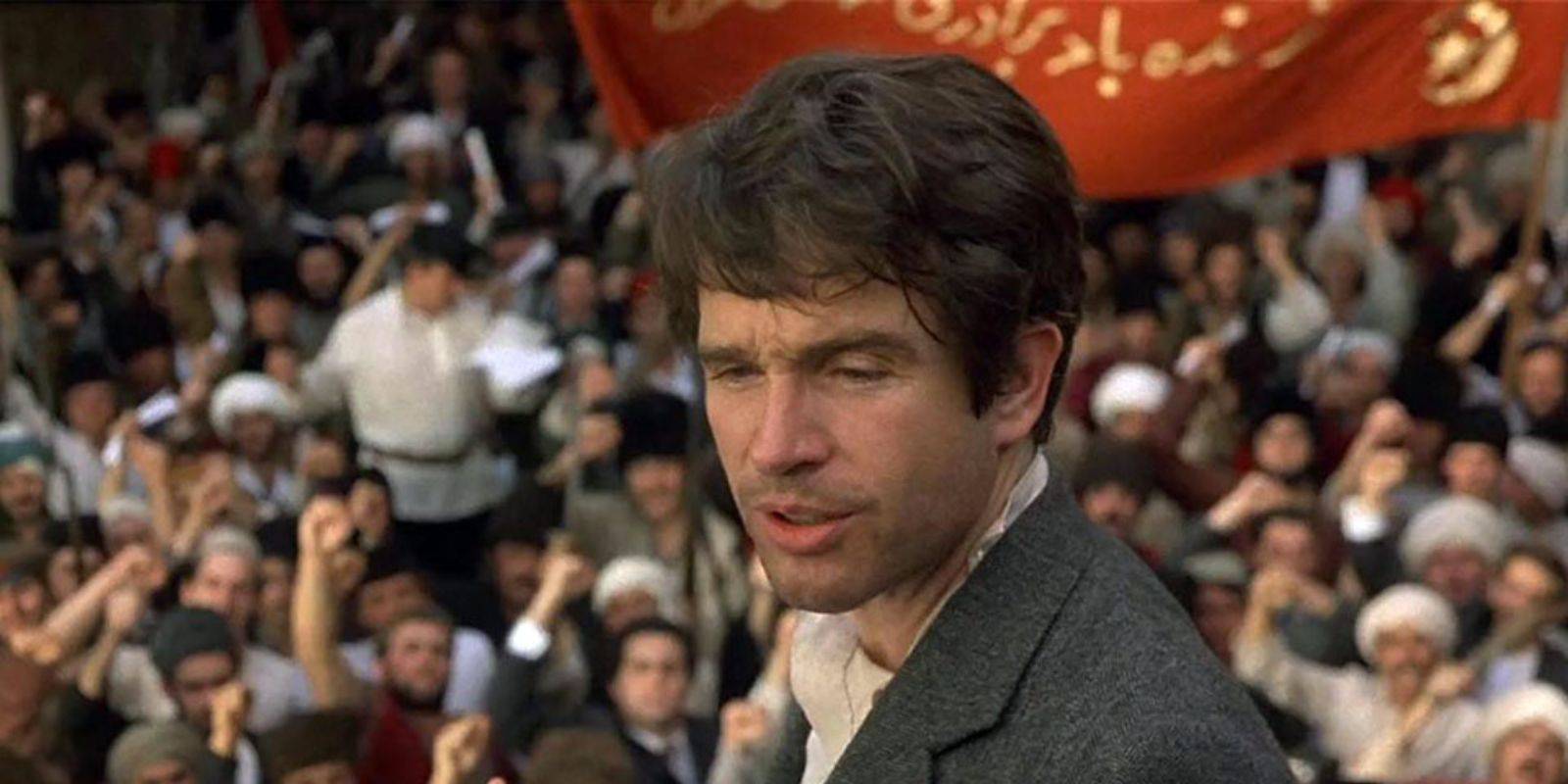
Warren Beatty’s passion project is a monumental achievement that blends sweeping romance with rigorous historical drama. Beatty stars as John Reed, the American journalist who chronicled the Russian Revolution, with Diane Keaton as his intellectual and romantic partner, Louise Bryant. The film captures the fervor of political idealism and the personal cost of revolutionary commitment.
Beyond the central love story, Reds is groundbreaking for its integration of "witness" interviews—real-life contemporaries of Reed and Bryant who provide a documentary gravity. Beatty, serving as director, co-writer, and star, crafted a film that earned 12 Oscar nominations, a testament to its ambition. With powerhouse supporting turns from Jack Nicholson and Oscar-winner Maureen Stapleton, it’s a film that tackles huge themes of journalism, feminism, and political disillusionment with stunning intimacy.
The Thin Red Line (1998)
Arriving the same year as Saving Private Ryan, Terrence Malick’s hypnotic war poem was destined to be the less-remembered of the two. Yet, time has been kind to this philosophical meditation on the Battle of Guadalcanal. Unlike conventional war films, Malick focuses on the interior lives of soldiers, weaving their existential dread and lost innocence with the serene, indifferent beauty of the Pacific landscape.
This is a war epic concerned less with heroics and more with the very nature of violence, consciousness, and our place in the natural world. Coming after a two-decade directorial hiatus for Malick, the film feels like a deeply ruminated vision. Its poetic visuals and spiritual questioning offer a richer, more contemplative experience with each viewing, securing its place as a unique masterpiece. If you're drawn to powerful war narratives, explore more in Forgotten Frontlines.
Giant (1956)
This Texas-sized saga from director George Stevens is the definition of a sprawling family epic. Following the Benedict clan over generations, it charts the seismic shift from cattle ranching to oil wealth, all while grappling with prejudice, change, and the American dream. The film boasts legendary performances from Elizabeth Taylor, Rock Hudson, and a scene-stealing James Dean in his final role.
Giant’s runtime allows it to breathe, exploring the corrosion of tradition and the complexities of social progress across decades. Its themes of racial tension and economic displacement feel remarkably contemporary, proving that the most enduring epics are those that understand their characters as products of—and rebels against—their changing world. For fans of historical scale, see our Definitive Ranking of Modern Historical Epics.
These films remind us that cinematic greatness isn't always measured by opening weekend buzz or enduring pop-culture saturation. Sometimes, the most profound epics require the perspective of time to fully appreciate their craft, ambition, and insight. They age like fine wine because they were bottled with complexity and depth from the start, waiting for audiences to mature into them. So, the next time you're scrolling through streaming menus, consider bypassing the latest algorithm-driven suggestion and diving into one of these matured classics—you might just find your new favorite film.