Putting any trilogy above The Lord of the Rings is a bold move—and rightfully so. Peter Jackson's adaptation of J.R.R. Tolkien's masterpiece nails scale, grief, friendship, corruption, sacrifice, myth, and closure at a level most franchises can only dream of. So for three trilogies to edge past it, they can't just be great and epic. They have to do something sharper, more complete, more intimate—something so humanly exact that perfection feels less like flawless spectacle and more like life itself captured on film without a wasted beat.
That's exactly what these three achieve. They aren't bigger than Middle-earth; they're more exposed. They leave fewer places to hide. They deal in time, regret, class, childhood, memory, longing, and the unbearable way ordinary life keeps moving while the heart is still trying to catch up. Here are the three trilogies that surpass The Lord of the Rings.
3. The Before Trilogy (1995–2013)
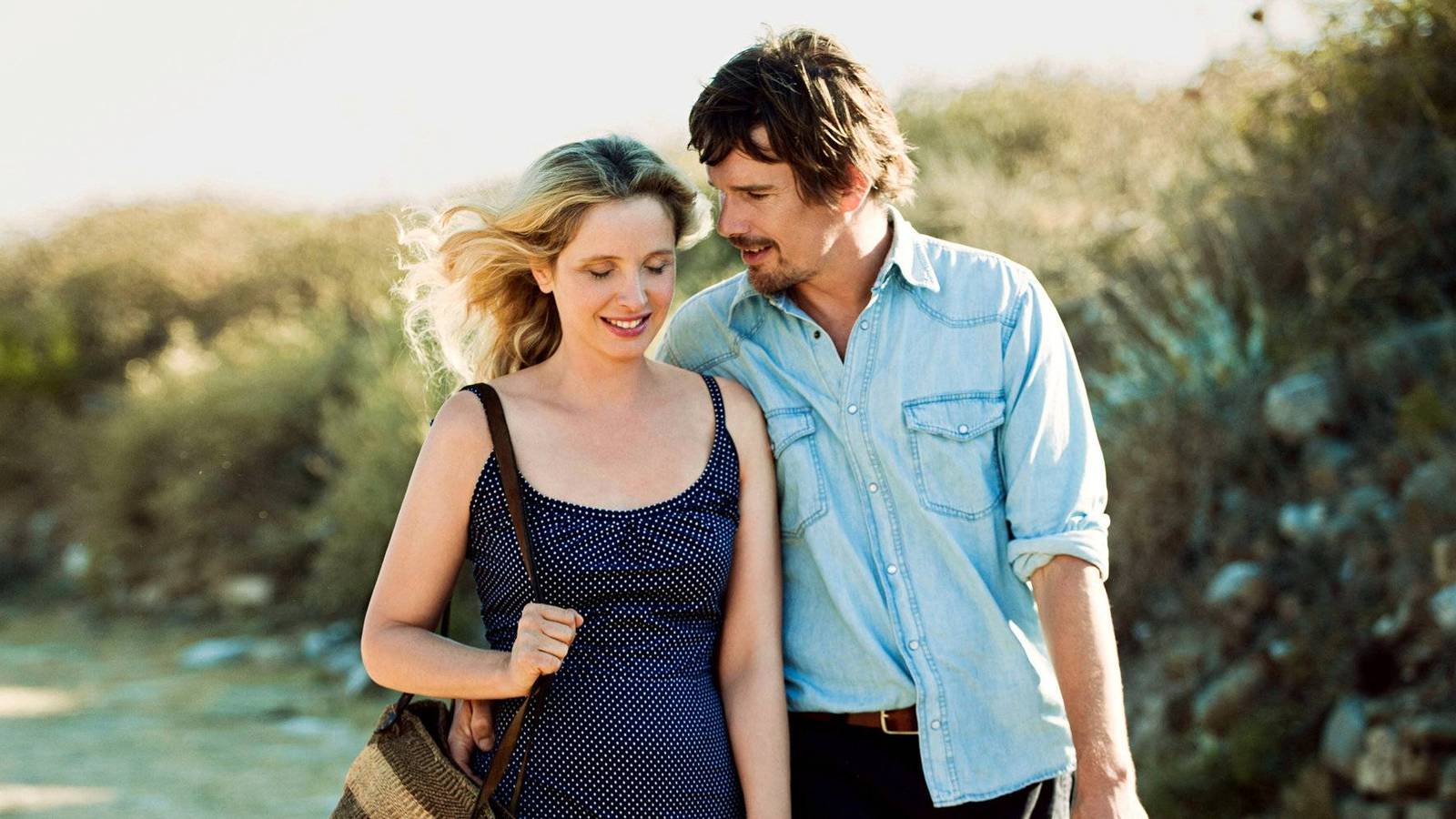
The reason The Before Trilogy rises above The Lord of the Rings is almost outrageous when you say it out loud: three films about two people talking, walking, remembering, flirting, dodging, and failing to outrun time. That sounds tiny next to armies, kings, and the fate of Middle-earth. Then you watch Before Sunrise, Before Sunset, and Before Midnight, and you realize the scale is hidden in plain sight. The battlefield is the human soul over nearly two decades.
Before Sunrise captures that rare lightning-in-a-bottle feeling where attraction isn't polished destiny but an alive, intelligent, slightly dangerous conversation neither person wants to end. Jesse (Ethan Hawke) and Céline (Julie Delpy) don't just like each other—they keep making each other more vivid moment by moment. The film understands how one night can rearrange your inner life more than years of routine ever could. Then Before Sunset wrecks that youthful romantic memory by adding what most love stories avoid: what if the connection was real, and life still separated you anyway? Every line carries ten years of imagined alternatives. And Before Midnight does the bravest thing of all—it doesn't freeze the couple in longing. It lets love age into irritation, compromise, accumulated tenderness, old wounds, and the terrifying question of whether the person who once opened your life is now the one who knows exactly where to hurt you. That's perfection: no cheating, no false notes, just romance tracked from spark to history.
2. Three Colours Trilogy (1993–1994)
Three Colours Trilogy beats The Lord of the Rings because it feels like cinema operating at a supernatural level of control without losing contact with raw human ache. Blue, White, and Red are separate stories, emotional climates, and moral textures, yet part of a larger design about freedom, equality, fraternity, loneliness, humiliation, connection, and the hidden threads tying strangers together. Krzysztof Kieślowski pulls off this insane balancing act so calmly that the films almost make perfection look casual.
Blue alone would make the trilogy immortal. Julie (Juliette Binoche) loses her husband and daughter in a car crash, and the film doesn't give her a neat grief arc. It follows her into numbness, withdrawal, and the desperate wish to live without attachment so pain can't get that kind of access again. Yet the music keeps coming back. Memory keeps coming back. Human need keeps coming back. The movie knows grief isn't always dramatic—often it's just the inability to stop being a person in a world that insists on continuing. White flips the emotional field entirely, playing humiliation, resentment, and class bitterness with a strange mix of cruelty and sadness. And Red finishes on a note of eerie, almost spiritual connectedness, with Valentine (Irène Jacob) and the retired judge circling each other through suspicion, compassion, and recognition. The cumulative effect is extraordinary—the trilogy makes existence itself feel patterned, lonely, unjust, and mysteriously linked.
1. The Apu Trilogy (1955–1959)
The Apu Trilogy goes above The Lord of the Rings because it does the hardest thing any trilogy can do: it takes an ordinary life and reveals it as epic without ever straining for grandeur. No rings, no wars for civilization, no castles, no mythic vocabulary. Just a boy, his family, his hunger, his curiosity, his losses, his small joys, his mistakes, his love, his grief, his long uneven movement through life. And somehow by the end of Pather Panchali, Aparajito, and Apur Sansar, it feels larger than almost anything else cinema has ever attempted.
Pather Panchali is one of the most tenderly observed films ever made. Childhood there is unsentimentalized and textured—Apu running through fields with Durga, peeking at adult tensions, the family's poverty pressing in, the mother's exhaustion, the father's absence, the old aunt's dignity and decline. It all accumulates until life itself starts feeling heartbreakingly vivid. Then Aparajito deepens the trilogy by letting education and ambition pull Apu away from his roots, exploring the quiet cost of growth. And Apur Sansar brings it all home with love, loss, and the resilience of a man who must rebuild himself from nothing. For fans of intimate storytelling, this trilogy is a must-watch—and if you're looking for more hidden gems, check out our list of 7 Underrated Movie Trilogies That Deserve Your Attention.
These three trilogies don't try to out-epic The Lord of the Rings. Instead, they go deeper into the human heart, proving that perfection isn't always about the size of the battle—it's about the truth of the moment.