Superhero fatigue is real. With the Marvel Cinematic Universe stumbling at the box office and DC Studios scrambling to reboot its lineup, audiences are growing weary of capes and CGI. But while the big screen struggles, television is quietly delivering some of the most inventive superhero stories in years. And leading the charge is Moving, a South Korean sci-fi epic that's redefining what the genre can be.
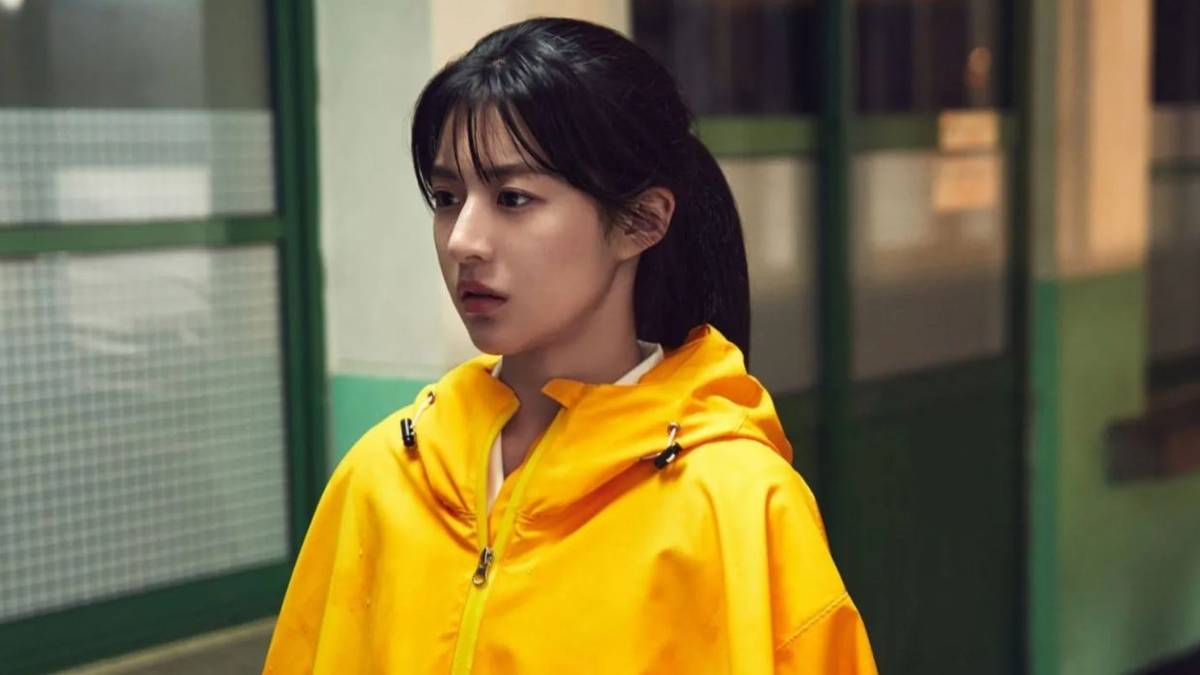
Based on Kang Full's webtoon, Moving is a sprawling, two-generation saga that follows high school students Bong-seok, Hui-soo, and Gang-hoon as they discover their superhuman abilities. But the twist? Their parents also have powers—and they used to work as spies for the South Korean government. It's a juicy premise that could easily collapse under its own weight, but Moving handles it with remarkable grace.
Why 'Moving' Stands Out in a Crowded Genre
The show's greatest strength is its dual focus on both teens and adults. While the younger characters grapple with the typical angst of growing up—plus the added pressure of flying or healing—their parents deal with the trauma of their past lives as secret agents. This intergenerational storytelling gives Moving an emotional resonance that most superhero fare lacks. For instance, Hui-soo and her father Ju-wong share a healing factor that makes them nearly immortal. Instead of using it for flashy action, the show explores the burden of watching loved ones age and die while you remain. It's a poignant metaphor for parenthood and sacrifice.
Similarly, Bong-seok's struggle to control his flight is a powerful allegory for self-acceptance. He's literally weighed down by stones until he learns that suppressing his true nature only makes things worse. In one memorable scene, he tells his mother he's done with the weights—claiming both his power and his identity. It's a small moment that speaks volumes.
A Structure That Pays Off
Moving also breaks the mold with its narrative structure. The first arc feels like a classic coming-of-age story, complete with high school crushes and secret training. Then the focus shifts to the parents, revealing their black-ops past in a series of flashbacks that add depth to every character. Finally, the two timelines collide in a thrilling climax set at the school—which, it turns out, was a front for studying superpowered individuals. This three-act structure keeps the story fresh and avoids the pacing issues that plague many streaming series.
It's no surprise that Moving has become a phenomenon. It's the most-streamed Korean drama on Disney+, and it holds a rare 100% rating on Rotten Tomatoes. The show's success is a testament to its universal themes. As star Ryu Seung-ryong told CNN, the series offers "a mix of moments of happiness, anger, pain, sadness and everything else in one long sitting," reminding viewers of their own family bonds.
What's Next for 'Moving'?
Fans will be thrilled to know that a second season is already in the works. Kang Full has also written a sequel webtoon called Bridge, which follows Bong-seok, Hui-soo, and Gang-hoon into adulthood. And if that's not enough, his other work Timing—about children who can manipulate time—exists in the same universe and could easily be adapted next.
In a landscape where superhero stories often feel formulaic, Moving is a breath of fresh air. It deserves a spot alongside the best superhero TV shows and proves that the genre still has plenty of life left. If you're tired of the same old caped crusaders, give Moving a chance—it might just change how you see superheroes.