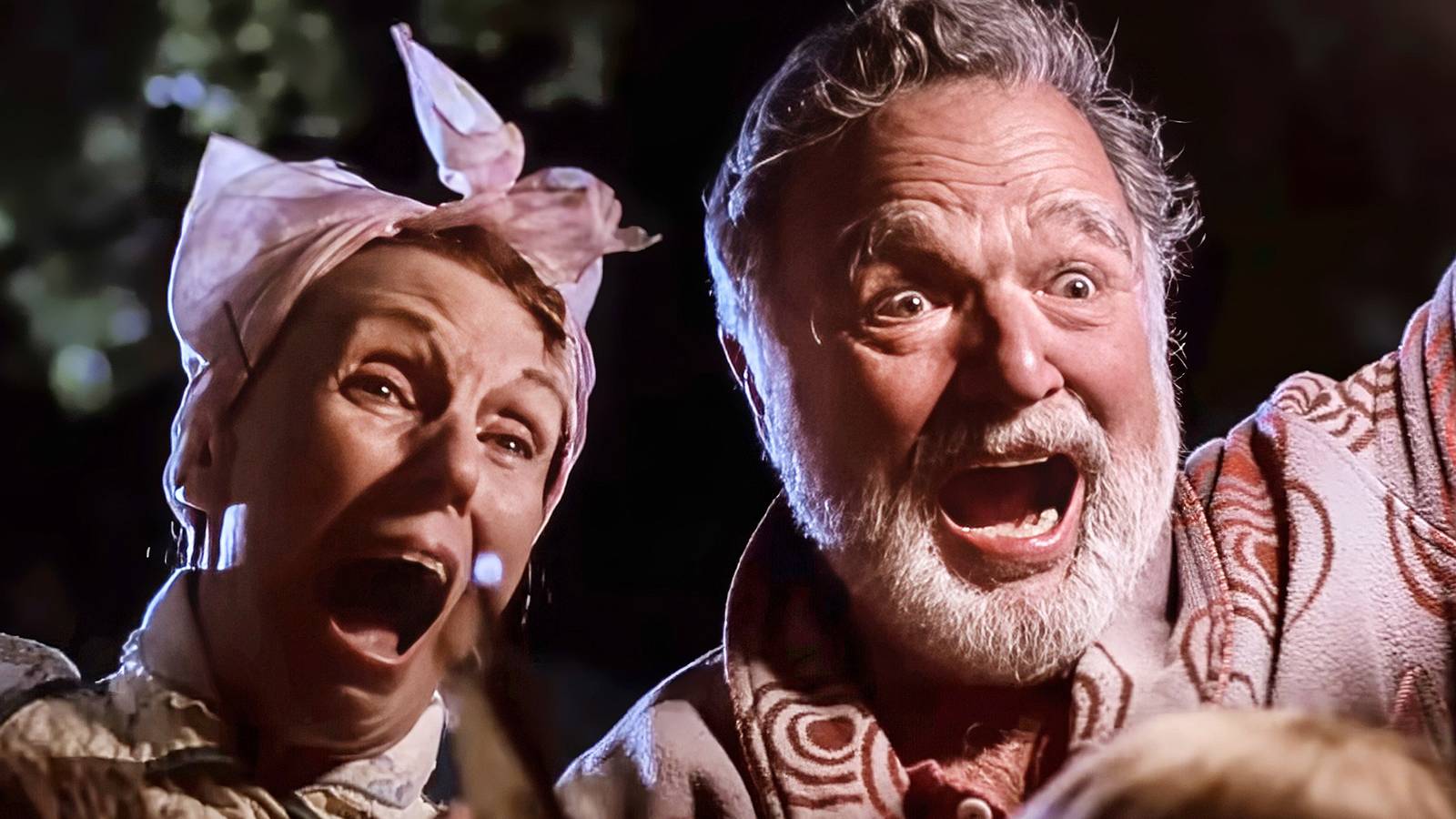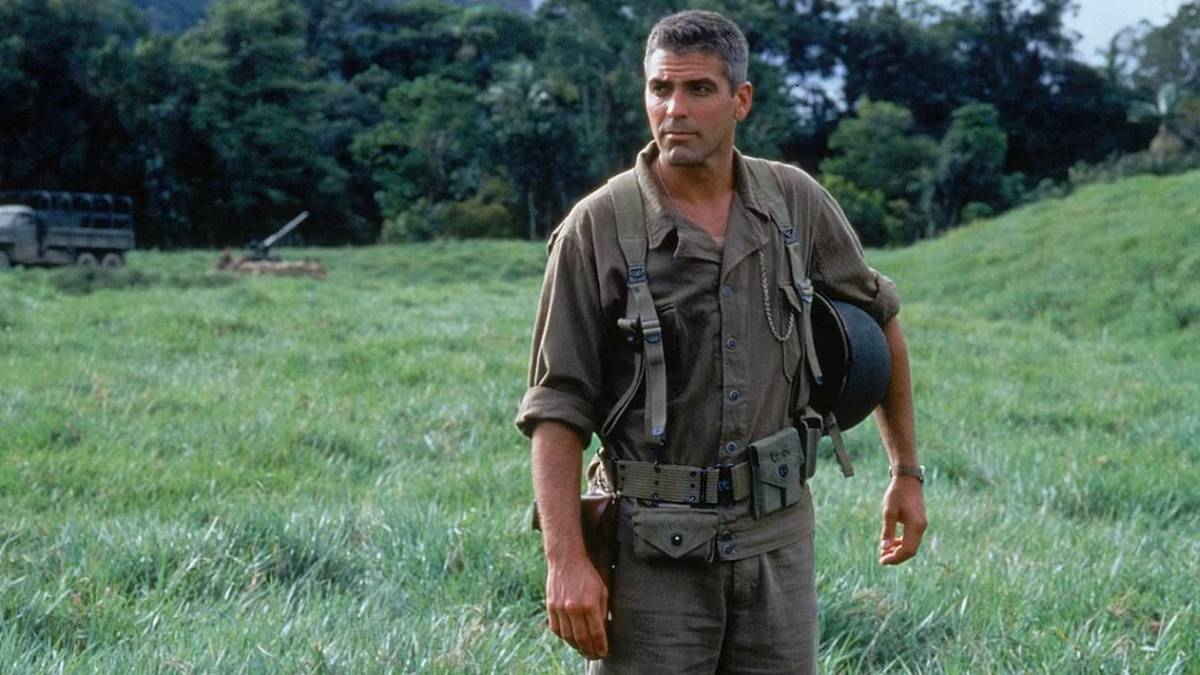
When the 1999 Academy Awards rolled around, the Best Picture race was a fierce showdown between Shakespeare in Love and Saving Private Ryan. But while Steven Spielberg's gritty epic dominated the conversation, a quieter, more profound war film from the same year has arguably aged even better: Terrence Malick's The Thin Red Line. This isn't just another WWII movie—it's a transcendent meditation on humanity, nature, and the cost of conflict.
A Poetic Return After Two Decades
After crafting two 1970s classics, Badlands and Days of Heaven, Malick vanished from Hollywood for 20 years. His triumphant comeback, The Thin Red Line, was his most ambitious project yet, boasting an ensemble cast that included Sean Penn, Nick Nolte, Elias Koteas, Jim Caviezel, Woody Harrelson, and John Travolta—though many, like Adrien Brody and George Clooney, saw their roles drastically cut. Adapted from James Jones' novel, the film follows the brutal Battle of Guadalcanal, but it's less concerned with military strategy than with the inner turmoil of soldiers.
War Through a Different Lens
Unlike the visceral, action-packed approach of Saving Private Ryan, The Thin Red Line uses Malick's signature style—whispered voiceovers, sweeping natural imagery, and a nonlinear narrative—to explore the psychological and spiritual toll of war. The film juxtaposes the horrors of combat with the serene beauty of the island's landscapes, from swaying grasses to curious animals, creating a haunting contrast. It's a transcendentalist exercise that questions the very purpose of violence, offering no easy answers or patriotic platitudes.
An Anti-War Statement Without Preaching
François Truffaut once said it's impossible to make a truly anti-war film, but Malick comes close by avoiding overt moralizing. Instead, he lets the imagery speak: nature persists, innocent villagers go about their lives, and the soldiers—even the officers—seem lost in a fog of disillusionment. The film's power lies in its visual poetry, forcing viewers to ask why humanity resorts to such destruction when beauty still thrives around us.
While classics like The Bridge on the River Kwai and The Great Escape shaped our cultural memory of WWII, The Thin Red Line dives deeper into the psyche of those who lived it. It's a film that doesn't just show war—it makes you feel its weight. For those seeking a war movie that lingers long after the credits roll, this is the one. And if you're a fan of WWII films with unforgettable endings, this is essential viewing.
In a year dominated by Spielberg's blockbuster, Malick's masterpiece stands as a testament to the power of cinema to challenge, move, and inspire. It's not just a war film; it's a philosophical journey that redefined the genre.