In the latest season of AMC+'s anthology series The Terror: Devil in Silver, director Karyn Kusama takes a masterclass approach to horror: sometimes what you don't see is far more terrifying than what you do. In an exclusive interview, Kusama—who helmed the first two episodes—reveals the creative choices behind the show's chilling monster reveal and its psychological depth.
The Art of the Unseen Monster
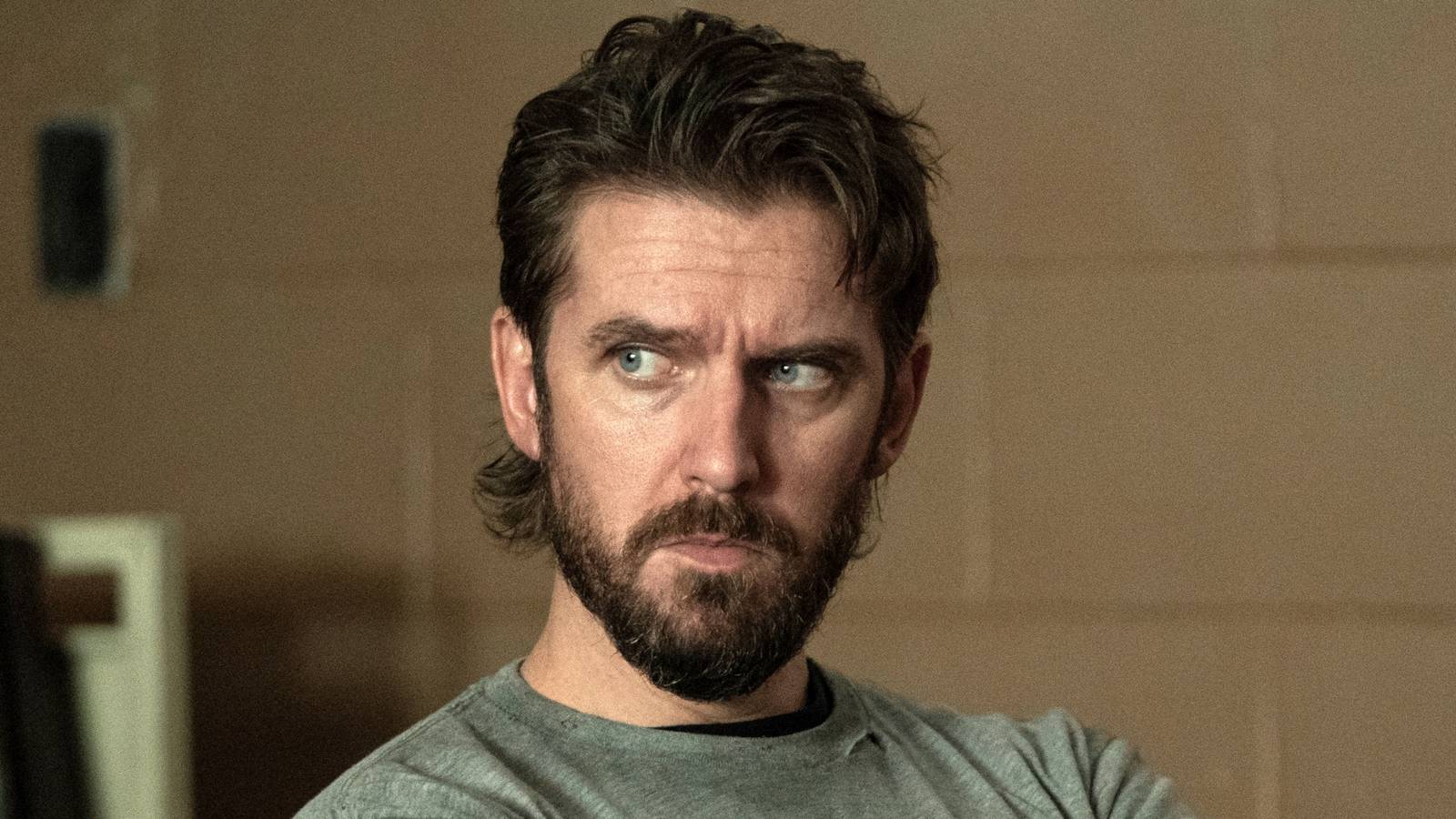
Based on Victor LaValle's novel, The Terror: Devil in Silver follows Pepper (Dan Stevens), a working-class man committed to New Hyde Psychiatric Hospital after a violent outburst. As he navigates the institution's eerie corridors, he discovers a sinister presence lurking within. Kusama explains that the decision to keep the monster largely hidden was deliberate. 'We were definitely looking at the series as part of a tradition of horror, and even monster movies, where you actually see a lot less of a literal monster than you suggest it,' she says. 'In the case of this story, it was important that the audience feel like the monster was as much a part of our brain scape as it was in the outside world.'

The cold open of Episode 1 sets the tone: a patient is found dead, but the camera lingers on contorted hands and horrified reactions rather than graphic gore. Kusama notes that this balancing act was crucial. 'We probably looked and relooked, and cut and recut that cold open almost more than anything else in the first two episodes because it really did require a lot of balancing of tones to get it right.'
Building Claustrophobia and Psychological Horror
Kusama aimed to create a palpable sense of claustrophobia and lack of agency for the characters. 'Once our lead character, Pepper, lands at New Hyde Psychiatric Hospital, he really doesn't see much daylight,' she explains. 'That sense of claustrophobia and the sense of a lack of agency was the most important thing to set up and establish visually and emotionally for the characters.' The result is a slow-burn psychological horror that prioritizes atmosphere over jump scares.
The director also reflects on the responsibility of depicting violence on screen. 'As I get older, I really want to look at bodies and violence to bodies responsibly,' she says. 'Just even being in the space with that was disturbing, to be honest.'
Dan Stevens: A Creative Partner in Horror
Stevens, who also serves as an executive producer, brought more than just acting chops to the role. 'He really is one of the most skillful, prepared, thoughtful actors I've gotten the great opportunity to work with,' Kusama says. 'He brought an incredible amount of intelligence to the character, but also just the world of the story.' Their collaboration extended beyond the set, with Stevens helping shape the narrative's emotional core.
The series has already made waves, with Ridley Scott's 'The Terror' Haunts Streaming Charts as Asylum Season 3 Arrives, proving that audiences crave this kind of sophisticated horror.
Beyond the Asylum: Kusama's Next Projects
Kusama also touched on her upcoming projects, including the Amazon series Life Is Strange, based on the acclaimed video game, and the long-awaited Jennifer's Body sequel. 'The love I still hear for that film is incredible,' she says, hinting that a sequel script exists and she hopes it gets made. For now, fans of psychological horror can dive into The Terror: Devil in Silver, where the real monster might just be the one we create in our minds.
For more on the series, check out our coverage of Mads Mikkelsen Battles a Monster Under the Bed in HBO Max's Fantasy Nightmare 'Dust Bunny' and How Paul Rudd and Jack Black Turned 'Anaconda' Into Netflix's Monster Hit.