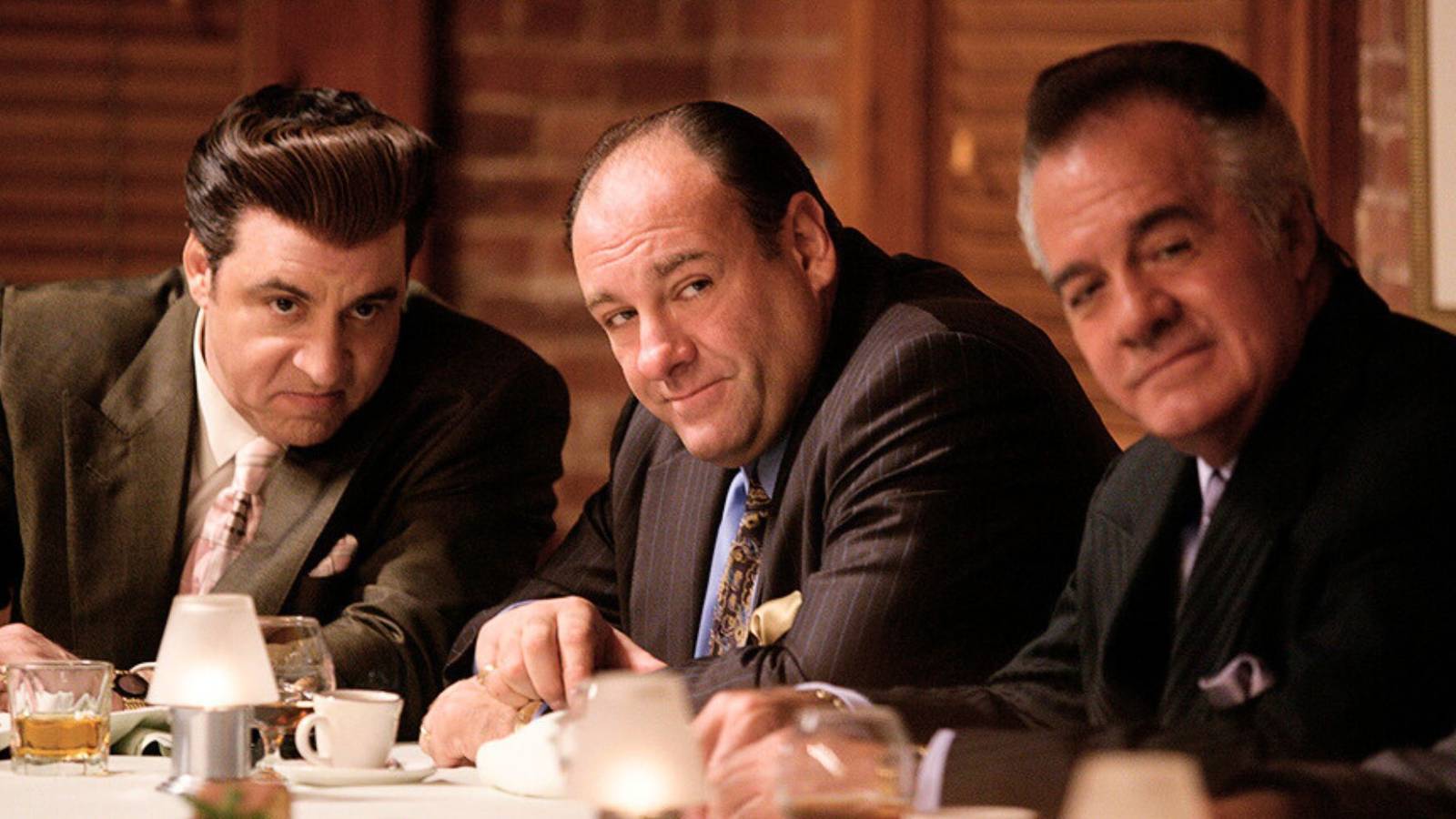
More than two decades after its debut, The Sopranos remains the gold standard for prestige television. David Chase's masterpiece about a New Jersey mob boss navigating panic attacks, family dysfunction, and the brutal realities of organized crime changed what the medium could do. James Gandolfini's Tony Soprano is a towering achievement, and the show's blend of psychological depth, dark humor, and shocking violence still feels revolutionary.
Ranking its seasons is a strange exercise—even the weakest stretch contains moments that would be career highlights for any other show. But not all seasons are created equal. Some are tight, propulsive machines; others sprawl and gamble on tone. To rank them, we weighed how well each season stands alone, how it deepens Tony and his orbit, the strength of its standout episodes, and how boldly it takes creative risks. The hardest part wasn't picking the top—it was deciding which brilliant season has to sit at the bottom.

6. Season 6
Season six lands at the bottom, not because it's bad, but because it's a victim of impossible standards. Split into two parts across more than a year, it never builds the momentum of earlier seasons. Part one is strong, but the whole feels like a show running out of road. Vito Spatafore's storyline, though ambitious, takes up enormous space and ends up feeling disconnected. A.J.'s depression arc is thematically rich but often plays as grim rather than revealing.
Pacing is a major issue—several episodes drift without urgency, and the final nine feel more like elegant gestures than a driving story. Tony's near-death experience promises transformation but quietly retreats from it. Even the much-debated finale, brilliant as it is, rewards ambiguity over payoff. Season six has some of the series' sharpest moments, but compared to the tension of season one or the tragedy of season five, it simply has less to hold together. Even a weaker Sopranos season beats most shows' best, but someone has to finish last.
5. Season 5
Season five sits second to last because it's the most dependent on a single, familiar idea. The return of Tony's cousin Tony Blundetto (Steve Buscemi), fresh out of prison and determined to go straight, sets up a tragedy that's easy to see coming. Once he slides back into his old life, the season spends too many episodes waiting for the inevitable. That predictability matters—earlier seasons kept viewers off balance, but here the central conflict feels like a slow march.
The Johnny Sack and New York storyline adds menace but often runs parallel to the main plot. Carmela's arc, including her resentment and entanglement with Furio's absence, is abundant but occasionally sidelined. Season five benefits from its place in the series, which makes its relative weakness feel harsher. Coming after the lean tension of the early years and before the bold finish, it can read as a holding pattern. But episodes like 'Irregular Around the Margins' and 'The Strong, Silent Type' remain stunning hours of television.
4. Season 4
Season four earns its ranking because it's the show at its most diffuse. Where earlier seasons organized around a clear antagonist, the fourth spreads across looser threads, feeling more like a series of vignettes than a single story. The central tension—Tony's feud with Carmine Lupertazzi over the Esplanade deal—simmers but rarely boils. Ralph Cifaretto's rise and fall is gripping but resolves mid-season, leaving the back half searching for momentum.
There's a restlessness to the mood that's impossible to ignore. Moments of deep tragedy, like Adriana's gradual unraveling, share space with oddly broad humor, and the balance doesn't always land. Yet the season contains 'Whoever Did This' and 'Whitecaps,' which are considered some of the most enthralling moments in modern television. Third from the bottom on a show this great is still a high-water mark for almost any other drama.
3. Season 1
Season one takes the third spot because it's the purest version of what the show set out to do. Thirteen episodes, one clear threat, and no wasted motion. Tony's war with Uncle Junior gives the season a spine that later years sometimes lack. Every subplot feeds it, from Christopher and Brendan's reckless hijack of a truck to Carmela's growing unease with her husband's world.
The season introduces the therapy sessions that make the show unique, and it establishes the show's signature blend of family drama and mob violence. It's also the most accessible entry point, a perfect introduction to the world of the Sopranos. While later seasons would push boundaries and take risks, season one is a masterclass in setup and payoff, earning its place near the top.
2. Season 2
Season two is where The Sopranos truly found its stride. The introduction of Richie Aprile (David Proval) as a volatile threat, combined with the ongoing tension with the New York families, creates a season that's both expansive and focused. The show's willingness to explore the psychological toll of Tony's life deepens, with standout episodes like 'Funhouse' and 'The Knight in White Satin Armor' showcasing the series' range.
The season also introduces key characters like Furio and Dr. Melfi's own struggles, adding layers to the narrative. It's a season that balances the personal and the professional with remarkable skill, and it set the standard for what the show would become. Season two is often cited as a fan favorite, and it's easy to see why—it's the season where everything clicked.
1. Season 3
Season three takes the top spot because it's the show at its most confident and ambitious. The introduction of Ralph Cifaretto as a truly terrifying antagonist, the deepening of Meadow's and A.J.'s storylines, and the unforgettable 'Pine Barrens' episode—widely considered one of the greatest TV episodes ever—make this season a masterpiece. The season also features the tragic arc of Jackie Aprile Jr., which adds a layer of tragedy that resonates.
What sets season three apart is its willingness to take risks. The dream sequences, the dark humor, and the moral ambiguity all coalesce into a season that's both entertaining and profound. It's the season that cemented The Sopranos as not just a great show, but a cultural touchstone. For our money, it's the best of the best.
For more rankings of iconic entertainment, check out our list of the greatest Emmy-winning miniseries or our take on Battlestar Galactica. And if you're a fan of ranked lists, don't miss our funniest movies of all time.