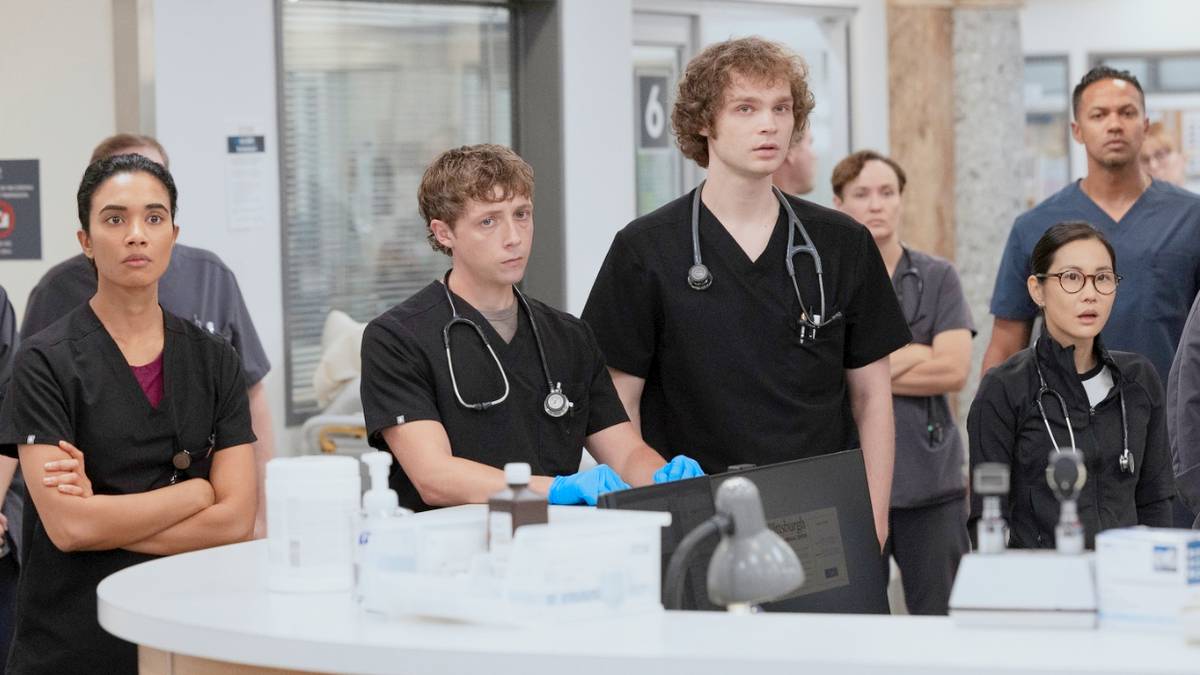
HBO Max's intense medical drama The Pitt is known for its relentless, real-time pressure cooker environment. Unlike series that explore doctors' home lives, this show locks viewers into the chaotic 15-hour shifts at the hospital, revealing character through crisis. As Season 2 winds down with just three hours left in the shift, the strain is showing on everyone from Dr. Robby Robinavitch to charge nurse Dana Evans. But in Episode 13, the spotlight shifts to the one character everyone loved to hate: the arrogant fourth-year resident, Dr. James Ogilvie.
From Jerk to... Human?
For most of the season, Ogilvie has been the personification of insufferable ego. Played with perfect prickliness by Lucas Iverson, he treated medicine like a competitive sport, more focused on showing up colleagues like Dr. Victoria Javadi than on genuine patient care. He was judgmental, snarky, and seemingly devoid of empathy, even making callous remarks after the death of a beloved patient. It was a performance so effective you almost wanted to see him fail.

Other new faces this season, like nurse Emma Nolan and med student Joy Kwon, brought curiosity and heart. Even the initially cold Dr. Baran Al-Hashimi revealed layers. Ogilvie, however, remained a wall of arrogance—until a patient named Austin Green walked in. Austin, an English teacher like Ogilvie's own father, managed to crack the resident's hardened exterior. In a rare moment of kindness, Ogilvie offered him a book to read, a small gesture that hinted at a person buried beneath the bravado.
The Scene That Changes Everything
The tragedy that followed was swift. Austin's condition was far graver than kidney stones, and he died on the operating table. The aftermath is where The Pitt delivers one of its most raw and powerful character moments. Found outside by the ever-compassionate Dr. Dennis Whitaker, Ogilvie is a shattered man, still in his blood-stained surgical gown, silently weeping.
This quiet breakdown is a seismic shift. The show's format, which rarely leaves the hospital, makes this intimate confession in the ambulance bay all the more potent. Whitaker, in a moving counterpoint, shares his own philosophy about caring for people on the worst day of their lives. For the first time, Ogilvie isn't talking; he's truly listening.
This pivotal conversation reframes Ogilvie's entire season-long attitude. His cockiness now reads as a defensive shield, a common but tragic flaw for young professionals thrown into an unforgiving world. Losing a patient who reminded him of his father stripped that armor away, revealing the vulnerable, overwhelmed doctor underneath. It's a masterclass in character development, proving that even the most hated figures can be redeemed with the right story.
This kind of deep, sudden character shift isn't unique to The Pitt. We've seen it in shows like 'Fire Country', where a returning character can completely alter the dynamics of a story. It's a reminder that first impressions on TV are rarely the whole story.
Where does Ogilvie go from here? If he returns for a potential Season 3, he will be irrevocably changed. This scene doesn't excuse his past behavior, but it makes him compellingly human. In a series built on high-stakes medical drama, The Pitt just proved its most powerful procedure might be a heart transplant for its own characters.