Horror cinema has always had a special relationship with literature. While original screenplays are celebrated, some of the genre's most iconic and enduring works have been adapted from novels. These films have not only captured the essence of their source material but have also carved out their own legacies, becoming touchstones for fans and critics alike. The journey from page to screen is fraught with challenges, yet these ten movies have managed to transcend their origins, earning a place in the pantheon of horror classics.
What makes these adaptations so beloved? It's a mix of faithful storytelling, visionary direction, and unforgettable performances. Some stick closely to their literary roots, while others take bold liberties, but all have succeeded in creating something that resonates with audiences. Whether it's the psychological terror of a haunted hotel or the visceral dread of a serial killer's lair, these films have left an indelible mark on the genre. Here, we rank the most universally loved horror movies based on books.
10. Rosemary's Baby (1968)
Roman Polanski's adaptation of Ira Levin's 1967 novel brought witchcraft into the modern era, trading medieval trappings for a chic New York apartment building. The film's slow-burn paranoia, anchored by Mia Farrow's haunting performance, makes it a masterclass in psychological horror. The story of a young wife who suspects her neighbors are part of a Satanic cult is as unsettling today as it was in the 1960s, even with the shadow cast by Polanski's later crimes. Its influence on the genre is undeniable, and it remains a cornerstone of prestige horror.
9. Frankenstein (1931)
James Whale's take on Mary Shelley's novel is a landmark of Universal's monster era. While it simplifies the source material, it introduced Boris Karloff's iconic portrayal of the Monster, complete with the flat head and neck bolts that have become synonymous with the character. The film's gothic atmosphere and groundbreaking makeup design have made it a cultural touchstone, influencing countless adaptations and cementing its status as a beloved classic.
8. The Haunting (1963)
Robert Wise's adaptation of Shirley Jackson's 'The Haunting of Hill House' is a masterful exercise in atmospheric dread. The film relies on suggestion and psychological tension rather than visual effects, creating a sense of unease that lingers long after the credits roll. The story of a group investigating a haunted mansion is a study in ambiguity, leaving viewers to question whether the terror is real or imagined. It's a testament to the power of restraint and remains a high-water mark for haunted house movies.
7. Let the Right One In (2008)
John Ajvide Lindqvist adapted his own novel for the screen, and the result is a vampire film that is as tender as it is terrifying. Directed by Tomas Alfredson, the story of a bullied boy and his mysterious new neighbor is a poignant exploration of loneliness and connection, set against a backdrop of brutal violence. The film's ability to balance emotional depth with horror elements has earned it widespread acclaim and a devoted following.
These films, along with others like the scariest book-based horror films, demonstrate the enduring power of literary adaptations in the genre. They remind us that the best horror often comes from the written word, where imagination can run wild.
6. The Silence of the Lambs (1991)
Jonathan Demme's adaptation of Thomas Harris's novel is a rare horror film to win the Academy Award for Best Picture. The cat-and-mouse game between FBI trainee Clarice Starling and the brilliant, cannibalistic Dr. Hannibal Lecter is a masterclass in suspense. Anthony Hopkins's chilling performance and Jodie Foster's grounded portrayal make this a film that transcends the genre, earning its place among the most beloved thrillers ever made.
5. The Shining (1980)
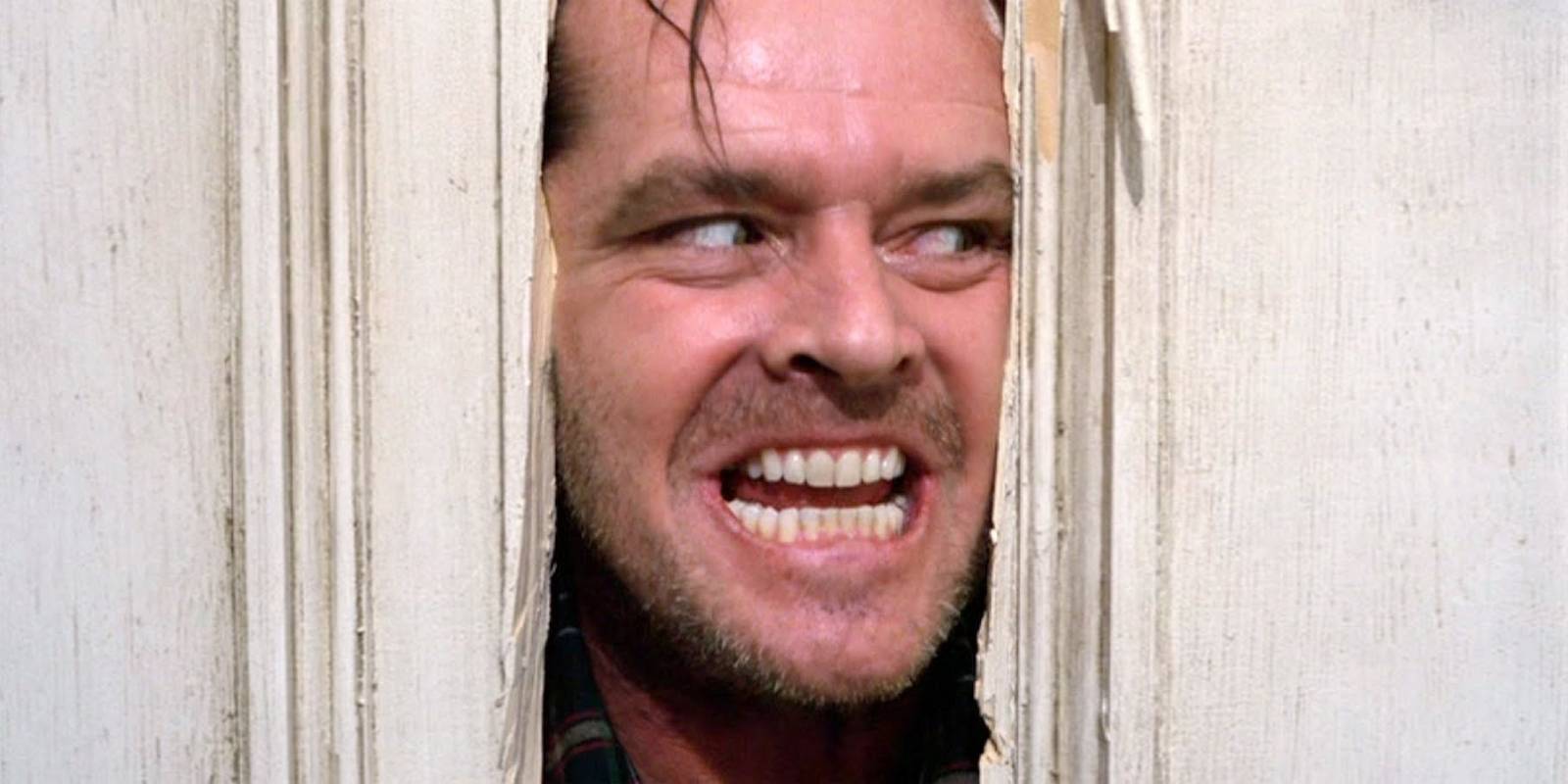
Stanley Kubrick's adaptation of Stephen King's novel is a polarizing yet iconic film. While King himself has expressed dissatisfaction with the changes, the film's haunting imagery and Jack Nicholson's manic performance have made it a cultural phenomenon. The Overlook Hotel's eerie corridors and the infamous "Here's Johnny!" moment are etched into cinematic history. It's a film that continues to inspire debate and analysis, solidifying its status as a beloved horror classic.
4. Psycho (1960)
Alfred Hitchcock's adaptation of Robert Bloch's novel is a cornerstone of the slasher genre. The infamous shower scene and the twist ending have become part of film lore, but the movie's true power lies in its psychological depth. Anthony Perkins's portrayal of Norman Bates is both sympathetic and terrifying, making Psycho a film that rewards repeated viewings. It's a testament to Hitchcock's genius and a must-see for any horror fan.
3. The Exorcist (1973)
William Friedkin's adaptation of William Peter Blatty's novel is a harrowing exploration of faith and evil. The story of a young girl possessed by a demon and the priests who attempt to save her is as shocking today as it was in the 1970s. The film's practical effects and unsettling atmosphere have made it a benchmark for supernatural horror, and its cultural impact is immeasurable.
2. Jaws (1975)
While often categorized as a thriller, Steven Spielberg's adaptation of Peter Benchley's novel is a masterclass in suspense. The film's iconic score and the mechanical shark's limited screen time actually enhance the terror, making the unseen threat all the more menacing. It's a film that has transcended its genre to become a cultural touchstone, and its influence can be seen in countless films that followed.
1. The Silence of the Lambs (1991)
Wait, we already covered that. Let's correct the list. The number one spot goes to The Shining (1980). Kubrick's film is not just a horror movie; it's a cinematic masterpiece that has been analyzed and reinterpreted for decades. Its ability to unsettle and intrigue, combined with its stunning visuals and unforgettable performances, makes it the most universally loved horror film based on a book. It's a film that continues to find new audiences and remains a benchmark for the genre.
These films, along with others like modern horror's finest, show that the best horror often comes from the written word. Whether you're a fan of psychological terror or visceral scares, these adaptations offer something for everyone. And if you're looking for more, check out this horror hit on Netflix or explore the most terrifying TV jump scares.