Fantasy cinema has always thrived on ambition. The genre's greatest leaps—whether in world-building, technology, or emotional depth—come from filmmakers who refuse to play it safe. These movies didn't just aim for grand narratives; they redefined what fantasy could be, leaving a legacy that inspires decades later. From groundbreaking visual effects to morally complex storytelling, the most ambitious fantasy films push every boundary. Here are eight of the most daring fantasy movies ever made, ranked by their sheer audacity and lasting influence.
8. 'Stardust' (2007)
In an era dominated by gritty, dark fantasy, Stardust dared to be different. Based on Neil Gaiman's novel, this film follows Tristan Thorn (Charlie Cox), a young man from the English village of Wall who ventures into a magical realm to retrieve a fallen star—only to find the star is a living woman. Balancing multiple storylines—royal succession, immortal witches, and a cross-world romance—the movie never loses its whimsical charm. Its refusal to conform to darker trends made it a modest box office success but a cult classic. Stardust proves that ambition can also mean bringing pure, heartfelt wonder to the screen.

7. 'The NeverEnding Story' (1984)
This West German production was a technical marvel for its time. The NeverEnding Story follows lonely boy Bastian (Barret Oliver) as he discovers a magical book that pulls him into the fantastical world of Fantasia. At its release, it was the most expensive film ever produced outside the US or USSR, and it shows in its lavish practical effects, early blue-screen work, and intricate puppetry. The film's meta storytelling—where the audience becomes part of the adventure—was revolutionary. It also didn't shy away from themes of despair and loss, making its emotional impact as ambitious as its visuals.
6. 'Princess Mononoke' (1997)
Studio Ghibli's Princess Mononoke is a masterclass in moral complexity. Set in a mythic medieval Japan, it follows Prince Ashitaka, cursed by a demon, as he seeks a cure and stumbles into a conflict between Iron Town's industrialists and the forest's animal gods. The film rejects simple heroes and villains, instead exploring themes of nature, industry, and coexistence. Its epic scope and brutally honest storytelling make it one of the most intellectually ambitious works of fiction ever created. For fans of deep fantasy, this is a must-watch, and it pairs well with discussions on how fantasy needs to move beyond Tolkien's shadow.
5. 'Spirited Away' (2001)
Hayao Miyazaki's Spirited Away shattered preconceptions about anime worldwide. The story follows 10-year-old Chihiro, who stumbles into a spirit realm where her parents are turned into pigs. Forced to work for a witch, she must navigate a world of gods, monsters, and magic. The film's boundless imagination and emotional depth are matched by its refusal to have a conventional villain—obstacles like loneliness and greed take center stage. Its success proved that Japanese animation with local mythology could resonate globally, making it a landmark in ambitious fantasy storytelling.
4. 'Avatar' (2009)
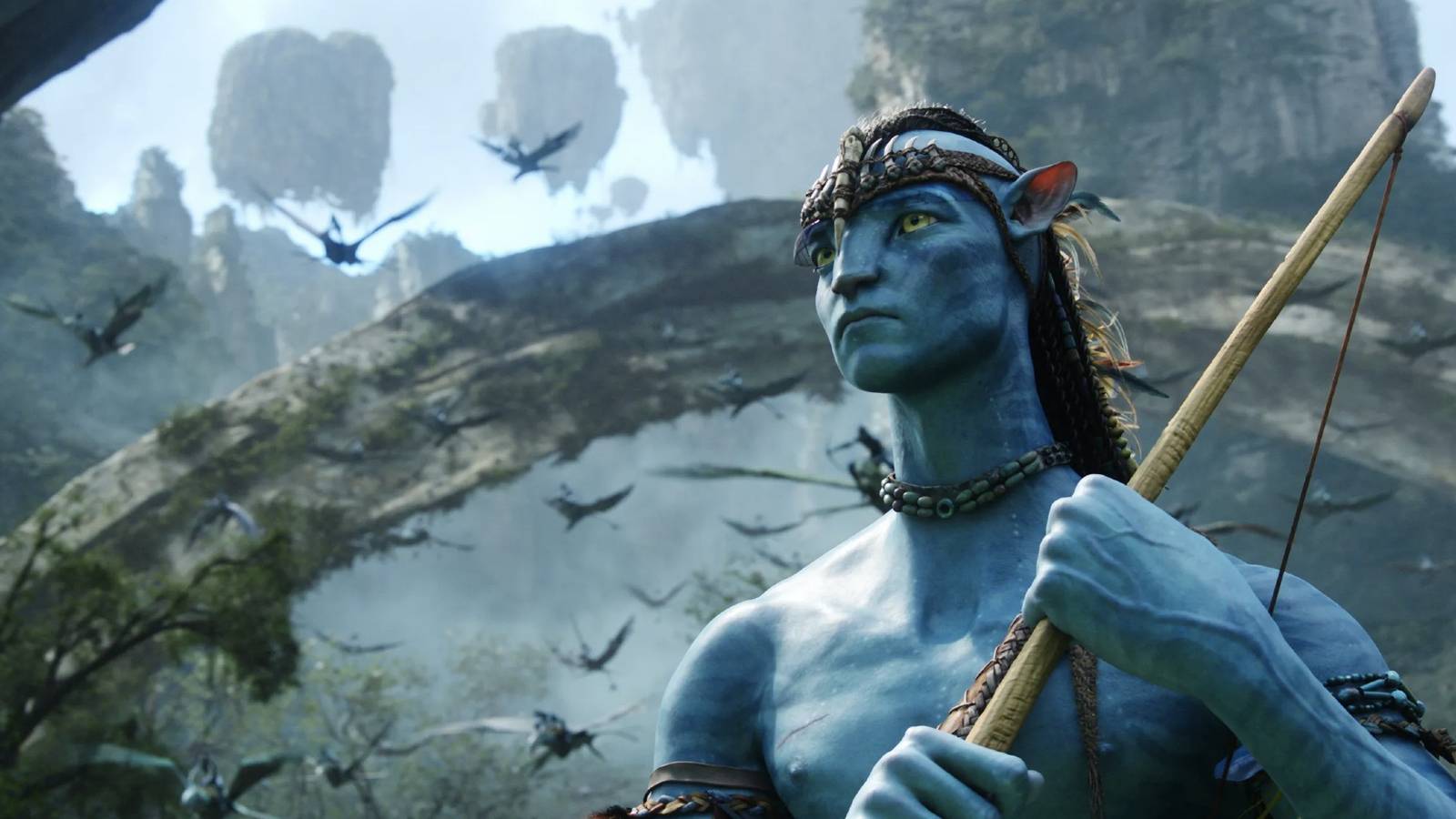
James Cameron's Avatar wasn't just a film; it was a technological revolution. Set on the lush alien world of Pandora, it follows a paralyzed Marine who inhabits an avatar body and becomes entangled in the Na'vi's struggle against human colonizers. The film pushed the boundaries of 3D, motion capture, and CGI, creating a fully realized ecosystem that felt alive. Its ambition extended to its world-building, with a detailed language, flora, and fauna. While its plot drew comparisons to Dances with Wolves, its visual and technical achievements remain unmatched, inspiring a new wave of immersive fantasy cinema.
3. 'Fantasia' (1940)
Walt Disney's Fantasia was a gamble that redefined animation. Combining classical music with surreal, abstract visuals, the film had no traditional narrative—just eight animated segments set to pieces by Bach, Tchaikovsky, and others. Its ambition lay in its experimental nature: it used stereophonic sound (Fantasound) and pushed animation into high art. Though initially a box office disappointment, Fantasia is now celebrated as a visionary work that expanded the possibilities of the medium. It remains a testament to the power of artistic risk-taking.
2. 'The Lord of the Rings: The Return of the King' (2003)
Peter Jackson's The Return of the King had the weight of an entire trilogy on its shoulders. The film had to satisfy fans of J.R.R. Tolkien's epic while delivering a satisfying conclusion to a cinematic journey that spanned years. Its ambition is evident in its massive battle sequences, emotional depth, and groundbreaking visual effects (including Gollum, a landmark in CGI character work). The film swept the Oscars, winning all 11 categories it was nominated for, including Best Picture. It set a new standard for fantasy epics, proving that the genre could achieve both critical and commercial success on a grand scale.
1. 'The Lord of the Rings: The Fellowship of the Ring' (2001)
The film that started it all, The Fellowship of the Ring, was perhaps the most ambitious of the trilogy. Jackson had to introduce Middle-earth, establish its complex lore, and build emotional stakes—all while using cutting-edge technology like motion capture for Gollum and massive miniatures for locations like Rivendell. The film's success paved the way for the entire fantasy renaissance of the 2000s. Its ambition wasn't just in its scale but in its commitment to Tolkien's themes of friendship, sacrifice, and the struggle against evil. For those who love epic fantasy, this remains the gold standard.
These films remind us that ambition in fantasy isn't just about budget or spectacle—it's about vision, risk, and the courage to imagine worlds that challenge and inspire us. Whether through groundbreaking tech, moral depth, or pure wonder, they've left an indelible mark on cinema.