The 1990s were a golden era for literature. It was a decade when authors took bold risks, experimenting with form and narrative in ways that still resonate today. From footnotes that became a storytelling device to novels that felt like pamphlets but contained generations of history, the '90s gave us books that defied easy categorization. They were smart, provocative, and often haunting—and they've left an indelible mark on readers and writers alike.
What makes these books so special is their staying power. They've become staples of BookTok, appear on countless 'best of' lists, and continue to inspire new generations of writers who try—and often fail—to replicate their magic. Whether it's the satirical edge of American Psycho, the intellectual allure of The Secret History, or the emotional depth of The Hours, these novels defined a decade and remain essential reading today.
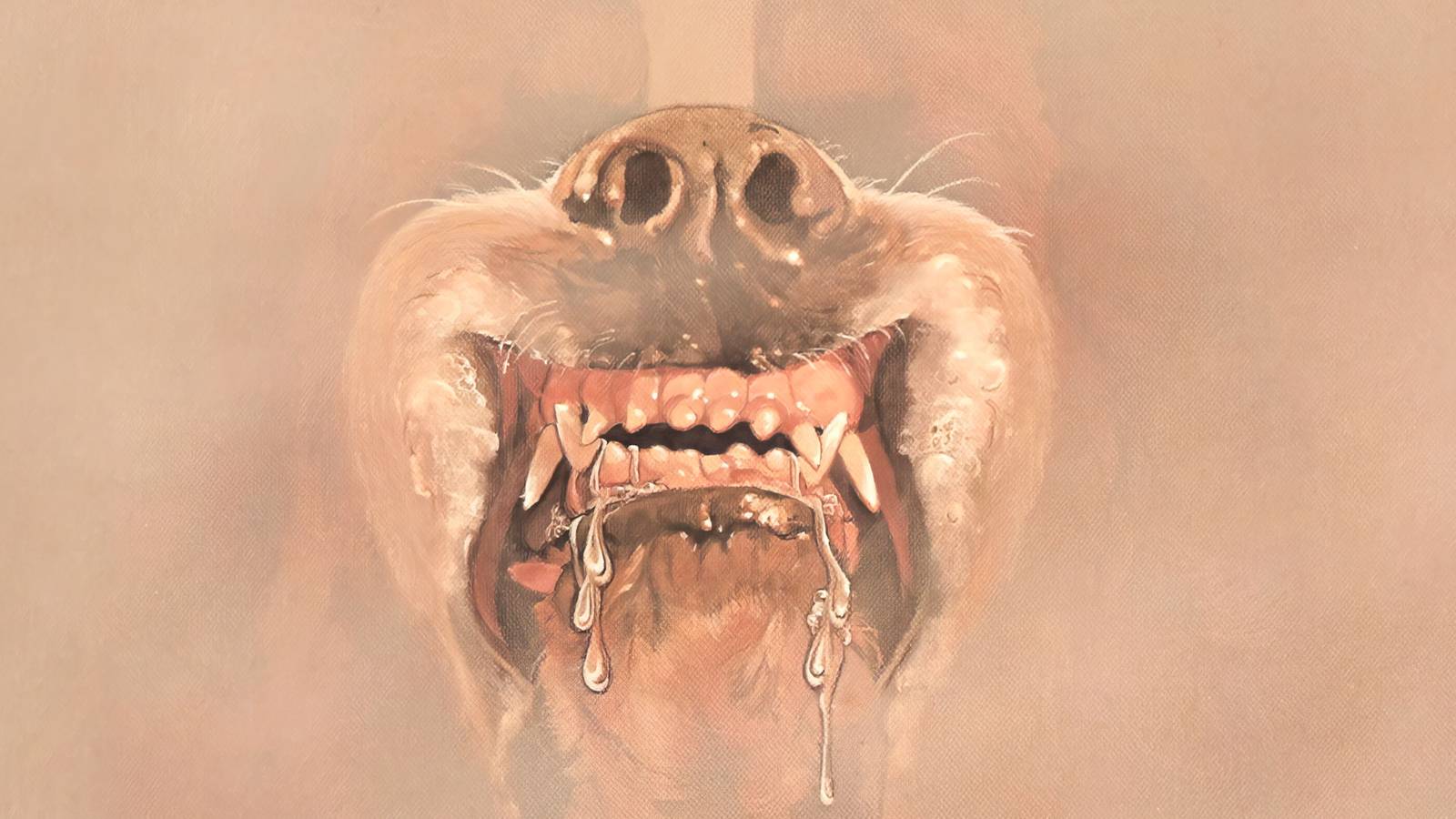
1990: Possession by A.S. Byatt
A.S. Byatt's Possession is a literary treasure hunt that blends academia with Gothic romance. The novel follows Roland Michell, a scholar who stumbles upon a hidden letter from Victorian poet Randolph Henry Ash, leading him to uncover a secret correspondence with fellow poet Christabel LaMotte. As Roland and his colleague Maud Bailey trace the paper trail, they find their own lives mirroring the romance they're piecing together. Byatt doesn't just invent poets—she writes their poetry, their journals, and their fairy tales, making the past feel vividly alive. It's a novel that shouldn't work, but it does, and it remains a stunning achievement.
1991: American Psycho by Bret Easton Ellis
Bret Easton Ellis's American Psycho is a brutal satire of consumerism and masculinity. Patrick Bateman, a wealthy investment banker, navigates a world of designer clothes, trendy restaurants, and obsessive grooming routines. But beneath the surface lies a violent darkness. Ellis's meticulous descriptions of Bateman's daily life—his skincare regimen, his music reviews, his business card comparisons—create a chilling portrait of a man who equates consumption with existence. The novel's graphic violence is shocking, but it's the banality of Bateman's world that truly disturbs. More than three decades later, American Psycho feels eerily prescient, a commentary on a society obsessed with image and excess.
1992: The Secret History by Donna Tartt
Donna Tartt's debut novel The Secret History is a murder mystery that reveals its killer from the start. But the suspense lies not in who did it, but in how a group of elite college students could descend into such darkness. Richard Papen, an outsider, is drawn into a tight-knit circle studying Ancient Greek under a charismatic professor. As he becomes more entrenched, he's seduced by their intellectualism and privilege, only to watch those very qualities corrupt them. Tartt's prose is lush and atmospheric, and her exploration of morality and consequence is as gripping today as it was in 1992.
1993: The Shipping News by Annie Proulx
Annie Proulx's The Shipping News finds beauty in the mundane. Quoyle, a deeply insecure man, moves to Newfoundland with his daughters after his wife's death. There, he takes a job at a small-town newspaper and slowly begins to rebuild his life. There's no grand transformation, no dramatic plot twist—just the quiet rhythms of daily existence. But Proulx's prose is so vivid that the landscape itself becomes a character, from the harsh weather to the quirky local customs. It's a novel that celebrates the ordinary and, in doing so, becomes extraordinary.
1994: In the Lake of the Woods by Tim O'Brien
Tim O'Brien's In the Lake of the Woods is a haunting exploration of memory, guilt, and the Vietnam War. The novel centers on John Wade, a politician whose career collapses after a scandal, and his wife Kathy, who mysteriously disappears during a trip to a remote lake. As the investigation unfolds, O'Brien weaves together multiple narratives, including historical documents and imagined scenarios, to create a puzzle that resists easy answers. It's a powerful meditation on the lies we tell ourselves and the truths we bury.
1995: High Fidelity by Nick Hornby
Nick Hornby's High Fidelity is a witty, painfully honest look at love and obsession. Rob Fleming, a record shop owner in London, is obsessed with pop music and his own failed relationships. When his latest girlfriend leaves him, he revisits his top five breakups, using music as a lens to understand his life. Hornby's voice is sharp and relatable, capturing the way we use culture to define ourselves. It's a novel that speaks to anyone who's ever made a mixtape for someone they loved.
1996: Infinite Jest by David Foster Wallace
David Foster Wallace's Infinite Jest is a sprawling, ambitious masterpiece that defies summary. Set in a near-future North America, the novel weaves together the stories of a tennis academy, a halfway house, and a film so entertaining it's lethal. Wallace's use of footnotes, his digressions on everything from addiction to entertainment, and his sheer linguistic inventiveness make this a challenging but rewarding read. It's a novel that rewards patience and remains a touchstone for contemporary fiction.
1997: The God of Small Things by Arundhati Roy
Arundhati Roy's debut novel The God of Small Things is a lyrical, devastating story of family, love, and caste in Kerala, India. The narrative shifts between the past and present, following twins Rahel and Estha as they navigate a childhood marked by tragedy. Roy's prose is poetic and precise, capturing the beauty and cruelty of the world she creates. It's a novel that lingers long after the final page, a testament to the power of small moments and the weight of history.
1998: The Hours by Michael Cunningham
Michael Cunningham's The Hours is a brilliant homage to Virginia Woolf's Mrs. Dalloway. The novel interweaves three storylines: Woolf herself in 1920s England, a housewife in 1949 Los Angeles, and a modern-day New York editor. Each woman is connected by Woolf's novel and by the themes of love, loss, and the choices that define our lives. Cunningham's prose is elegant and emotionally resonant, and the novel won the Pulitzer Prize for good reason.
1999: Girl, Interrupted by Susanna Kaysen
Susanna Kaysen's memoir Girl, Interrupted offers a raw, unflinching look at mental illness. In 1967, Kaysen spent nearly two years in a psychiatric hospital after a suicide attempt. Her account is fragmented, sharp, and often darkly funny, capturing the absurdity and pain of institutional life. It's a book that challenges our understanding of sanity and normalcy, and it remains a vital work of memoir.
These ten novels represent the best of what the 1990s had to offer. They pushed boundaries, asked tough questions, and told stories that continue to captivate readers. Whether you're revisiting them or discovering them for the first time, they're essential reading for anyone who loves great fiction.