Some books are pure escapism—light, breezy, and perfect for a lazy afternoon. But then there are those that go the other direction: dense, unsettling, and emotionally draining. These are the novels that stick with you long after you've turned the last page, not because they're fun, but because they're profound, disturbing, or just plain heavy. Here are the heaviest books of all time, ranked—each one worth reading, but maybe not right before bed.
10. American Tabloid (1995)
James Ellroy's American Tabloid is a nihilistic plunge into the underbelly of American politics. Set in the late 1950s and early '60s, it follows a cast of morally bankrupt characters as they spiral toward the assassination of John F. Kennedy. While Ellroy's L.A. Confidential is more famous, American Tabloid is arguably darker—a cynical, gripping novel where everyone is doomed and the country itself seems to die alongside its president. It's the first book in the Underworld USA Trilogy, and it sets a tone of relentless despair.
9. Lolita (1955)
Vladimir Nabokov's Lolita is a masterpiece of unreliable narration and dark humor, but its subject matter—a man's obsession with a 12-year-old girl—makes it one of the most challenging reads ever. The narrator, Humbert Humbert, is both repellent and fascinating, and the book's beauty only amplifies its horror. It's a novel that forces you to grapple with uncomfortable truths, and it's not for everyone. But for those who can stomach it, it's an unforgettable experience.
8. Empire of Pain (2021)
Patrick Radden Keefe's Empire of Pain is a non-fiction account of the Sackler family and their role in the opioid epidemic. It's a meticulously researched, deeply unsettling book that traces how greed and negligence led to countless deaths. Keefe humanizes the Sacklers without excusing them, making the tragedy feel all the more personal. It's a heavy read because the events are recent and the suffering is ongoing—a stark reminder of how corporate malfeasance can destroy lives.
7. Nineteen Eighty-Four (1949)
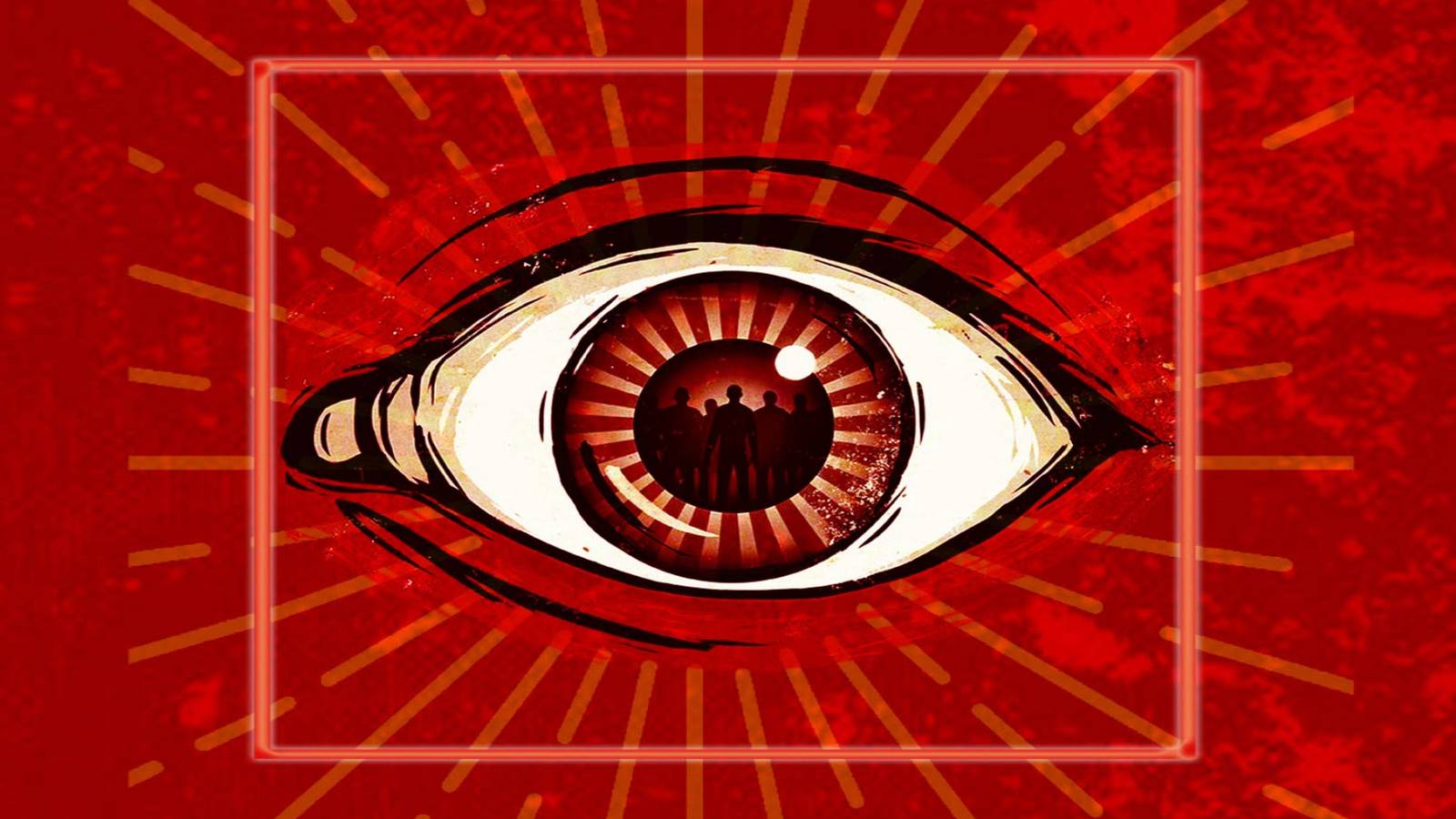
George Orwell's Nineteen Eighty-Four is the definitive dystopian novel, a bleak vision of a future dominated by surveillance, propaganda, and totalitarianism. The protagonist, Winston Smith, rebels against the Party, but his rebellion is ultimately futile. The book's despair is relentless, and its themes—truth, freedom, resistance—are as relevant today as ever. It's a heavy read because it forces you to confront the fragility of democracy and the power of authoritarianism.
6. Pet Sematary (1983)
Stephen King's Pet Sematary is often considered his darkest novel. It explores grief and death through the story of a family who discovers a burial ground that can bring the dead back to life—but at a terrible cost. The book digs deep into the psychology of loss and the lengths people will go to avoid it. It's a horror novel that's more about emotional devastation than jump scares, and it leaves a lasting impression.
5. Blood Meridian (1985)
Cormac McCarthy's Blood Meridian is a brutal, poetic novel set in the American West. It follows a teenage runaway who joins a gang of scalp hunters, and the violence is unrelenting. McCarthy's prose is stunning, but the book's nihilism and graphic depictions of cruelty make it one of the heaviest reads in literature. It's a meditation on the nature of evil, and it offers no comfort or redemption.
4. Blonde (2000)
Joyce Carol Oates's Blonde is a fictionalized biography of Marilyn Monroe, but it's far from a glamorous portrait. The novel delves into Monroe's trauma, exploitation, and tragic death, painting a harrowing picture of fame and mental illness. It's a massive, emotionally draining book that doesn't shy away from the darkest aspects of its subject's life. For those who want a lighter take on Hollywood, this isn't it.
3. The Road (2006)
Cormac McCarthy's The Road is a post-apocalyptic novel about a father and son traveling through a desolate, ash-covered landscape. The world has been destroyed, and the only question is whether they can survive long enough to find safety. The book is spare, bleak, and deeply moving—a meditation on love, hope, and the will to live in the face of utter despair. It's a heavy read because it feels so possible.
2. A Little Life (2015)
Hanya Yanagihara's A Little Life is a modern classic of trauma and friendship. It follows four college friends over decades, but focuses on Jude, a man with a horrific past that includes abuse and self-harm. The book is unflinching in its depiction of pain, and many readers find it emotionally devastating. It's a novel about the limits of love and the persistence of suffering, and it's not for the faint of heart.
1. 1984 (1949)
Yes, Nineteen Eighty-Four appears again at number one—it's that heavy. Orwell's masterpiece is the ultimate downer, a vision of a world where truth is dead and resistance is futile. Its themes of surveillance, propaganda, and totalitarianism have become part of our cultural vocabulary, and the book's bleakness is unmatched. It's a novel that everyone should read, but be prepared: it will stay with you long after you've finished.
For more on the darkest stories in entertainment, check out our list of The Heaviest Neo-Noir Movies Ever Made, Ranked and Why These 10 Beloved Books Will Never Make It to the Big Screen.