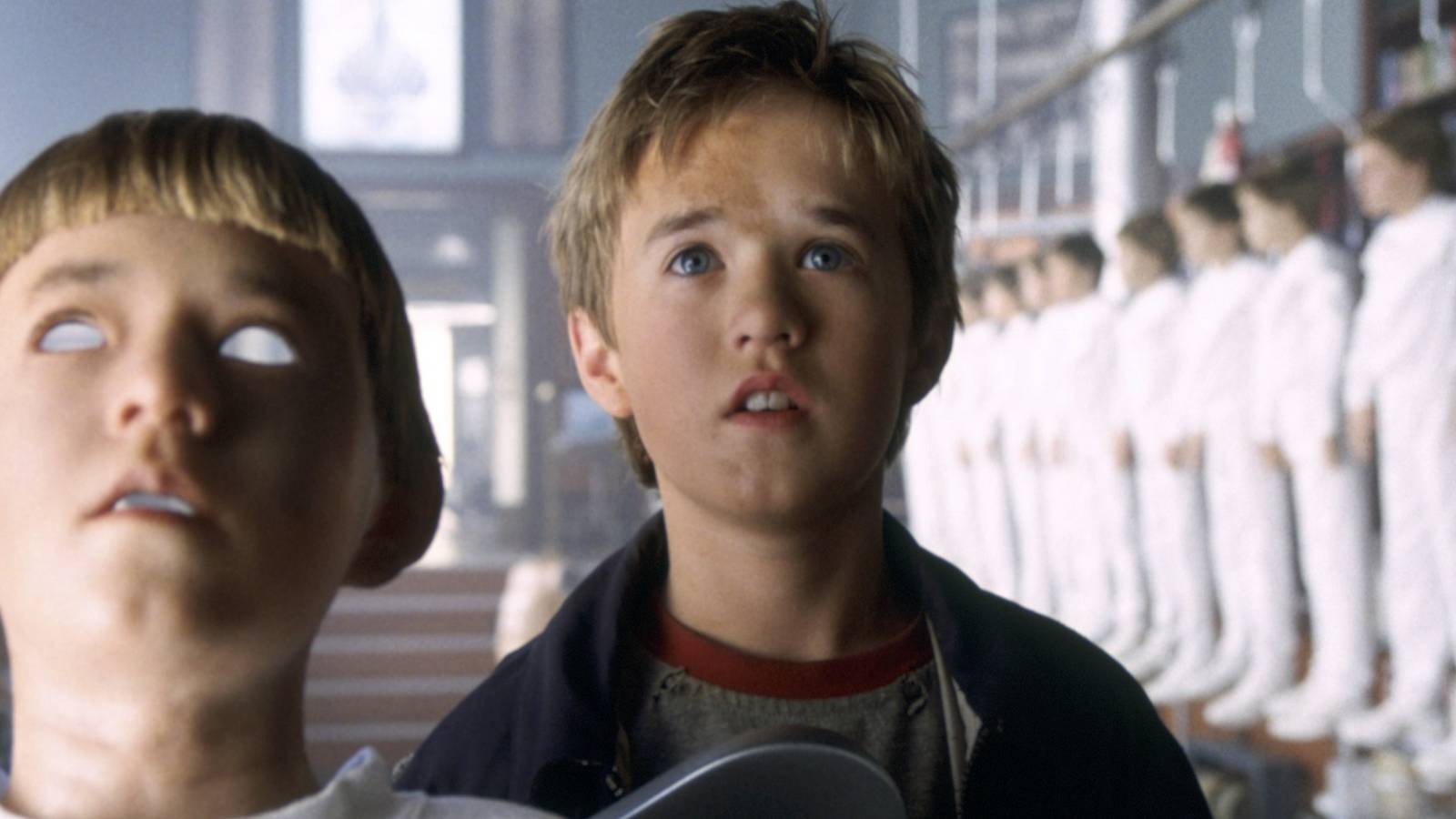
No science fiction movie is truly perfect. Even the ones we crown as flawless are merely close enough that we overlook their imperfections. But what about those films that stretch out a robotic hand, brush against the stars, and then get pulled back down to Earth? They deserve recognition too.
These are the sci-fi movies that boast individual perfect performances, scenes, or visual effects, yet never quite coalesce into a seamless whole. Acknowledging their flaws doesn't diminish their enjoyment or impressiveness—it makes them more intriguing to dissect and debate. So let's celebrate near-perfection with these sci-fi gems.

Planet of the Vampires (1965)
Mario Bava's Planet of the Vampires might look dated today, a low-budget B-movie that has been surpassed by the films it inspired, like Alien. But from another angle, it's a stylish, atmospheric piece whose visuals are ripped straight from the pulpiest corners of the genre. Either way, it's an influential cult classic—not perfect, but a perfect artifact of a bygone era.
After a distress call, two spaceships land on a fog-shrouded planet. The crews become hypnotized and homicidal as they explore the surreal landscape. They also discover a derelict ship with the remains of an alien race—a direct precursor to Ridley Scott's horror masterpiece. Comparing the two is unfair to Bava's film, which was made for a fraction of the budget and fully embraces its B-movie roots.
Return of the Jedi (1983)
Star Wars changed Hollywood forever, and The Empire Strikes Back set a new standard for sequels. Return of the Jedi also set a less desirable standard: the disappointing third entry that fails to stick the landing. Yet decades later, its sterling moments shine brighter, even if its flaws still dull its perfection.
The first act is faultless—a thrilling rescue mission to free Han Solo from Jabba the Hutt. The assault on the second Death Star is exciting, and Luke's final confrontation with Darth Vader is an emotional climax. But the Ewoks' cartoonish antics and the last-minute reveal that Leia is Luke's sister undercut the drama.
Back to the Future Part II (1989)
The original Back to the Future is often hailed as one of the most perfectly written sci-fi films ever. Its sequel is just as influential, expanding the time-travel premise in creative ways. While it lacks the emotional resonance of the first and sidelines some characters, it's still incredibly entertaining.
Doc and Marty travel to 2015, where Marty's selfish actions create a hellish 1985, forcing them to revisit 1955. The film is so fun that its flaws are easy to overlook—except for how it treats Jennifer, who mostly faints and gets left out of the action, a casualty of the original's ending before a sequel was planned.
Strange Days (1995)
Kathryn Bigelow and James Cameron teamed up for Strange Days, a techno-thriller about a black-market device that lets users experience someone else's recorded sensations. Bigelow's intense style and political themes make it a potent thriller with audacious sequences. But it wraps up too neatly and is steeped in '90s aesthetics, even if its themes are timeless.
Set on the eve of the millennium, Los Angeles is a dystopian police state. Ex-cop Lenny (Ralph Fiennes) deals SQUID recordings that offer a visceral VR experience. The POV sequences are thrilling and horrifying, showcasing Bigelow's skill at hard-edged filmmaking.
These films may not be perfect, but they're close enough to spark endless discussion. For more sci-fi that pushes boundaries, check out our list of IMAX sci-fi returns or shaky-cam action movies.