Period films are a delicate art. They must transport us to another era without feeling like a dusty history lesson, while also making that world feel real and lived-in. The best ones don't just recreate the past—they make it feel immediate, immersive, and even relevant to today. The Academy has often rewarded such efforts, from lavish costumes to powerful performances. Whether set in ancient Rome or the trenches of WWII, these Oscar-winning movies prove that when Hollywood gets the past right, the results can be truly timeless.
10. Barry Lyndon (1975)
Stanley Kubrick's Barry Lyndon follows the rise and fall of Redmond Barry (Ryan O'Neal), an Irish rogue who reinvents himself as an 18th-century aristocrat. But his schemes and social climbing eventually catch up with him. What sets this film apart is its breathtaking visuals—Kubrick famously shot many scenes using only natural and candlelight, making every frame look like a painting. It won four Oscars, including Best Cinematography, and remains a hypnotic, dryly humorous epic that's impossible to forget.
9. Gladiator (2000)
Ridley Scott revived the historical epic with Gladiator, starring Russell Crowe as Maximus, a Roman general betrayed by the emperor's son (Joaquin Phoenix). Forced into slavery, Maximus fights his way through the gladiatorial arena to seek revenge. The film combines massive battle sequences with an intimate story of loss and honor, winning five Oscars including Best Picture and Best Actor. It's a blockbuster that still holds up as a perfect blend of spectacle and emotion.
8. The Grand Budapest Hotel (2014)
Wes Anderson's The Grand Budapest Hotel is a whimsical, meticulously crafted tale set in a fictional European hotel between the wars. Ralph Fiennes stars as the legendary concierge Gustave H., who teams up with a young lobby boy (Tony Revolori) after being accused of a murder and entangled in a family inheritance dispute. The film's pastel-colored world, elaborate costumes, and precise production design earned it four Oscars, including Best Production Design and Costume Design. It's a delightful, visually stunning romp that showcases Anderson's unique genius.
7. There Will Be Blood (2007)
Paul Thomas Anderson's There Will Be Blood is a dark, gripping portrait of early 20th-century American capitalism. Daniel Day-Lewis gives an Oscar-winning performance as Daniel Plainview, a ruthless oilman whose greed and rivalry with a preacher (Paul Dano) consume him. The film won Best Cinematography for Robert Elswit's haunting shots of the California landscape. It's a powerful, unsettling look at the ugly side of the American dream.
6. Saving Private Ryan (1998)
Steven Spielberg's Saving Private Ryan is a visceral, unflinching look at WWII, starting with the harrowing D-Day landing. Tom Hanks stars as Captain Miller, leading a squad to find Private Ryan (Matt Damon) after his brothers are killed in action. The film won five Oscars, including Best Director, but famously lost Best Picture. Its raw depiction of war and the moral questions it raises make it a devastating meditation on sacrifice and brotherhood.
5. Crouching Tiger, Hidden Dragon (2000)
Set in 18th-century Qing Dynasty China, Ang Lee's Crouching Tiger, Hidden Dragon blends martial arts with a poetic, tragic love story. Chow Yun-fat and Michelle Yeoh star as warriors whose pasts catch up with them, while Zhang Ziyi's character brings a rebellious energy. The film won four Oscars, including Best Foreign Language Film, and is celebrated for its breathtaking action sequences and emotional depth. It remains a landmark in both action cinema and period drama.
4. Amadeus (1984)
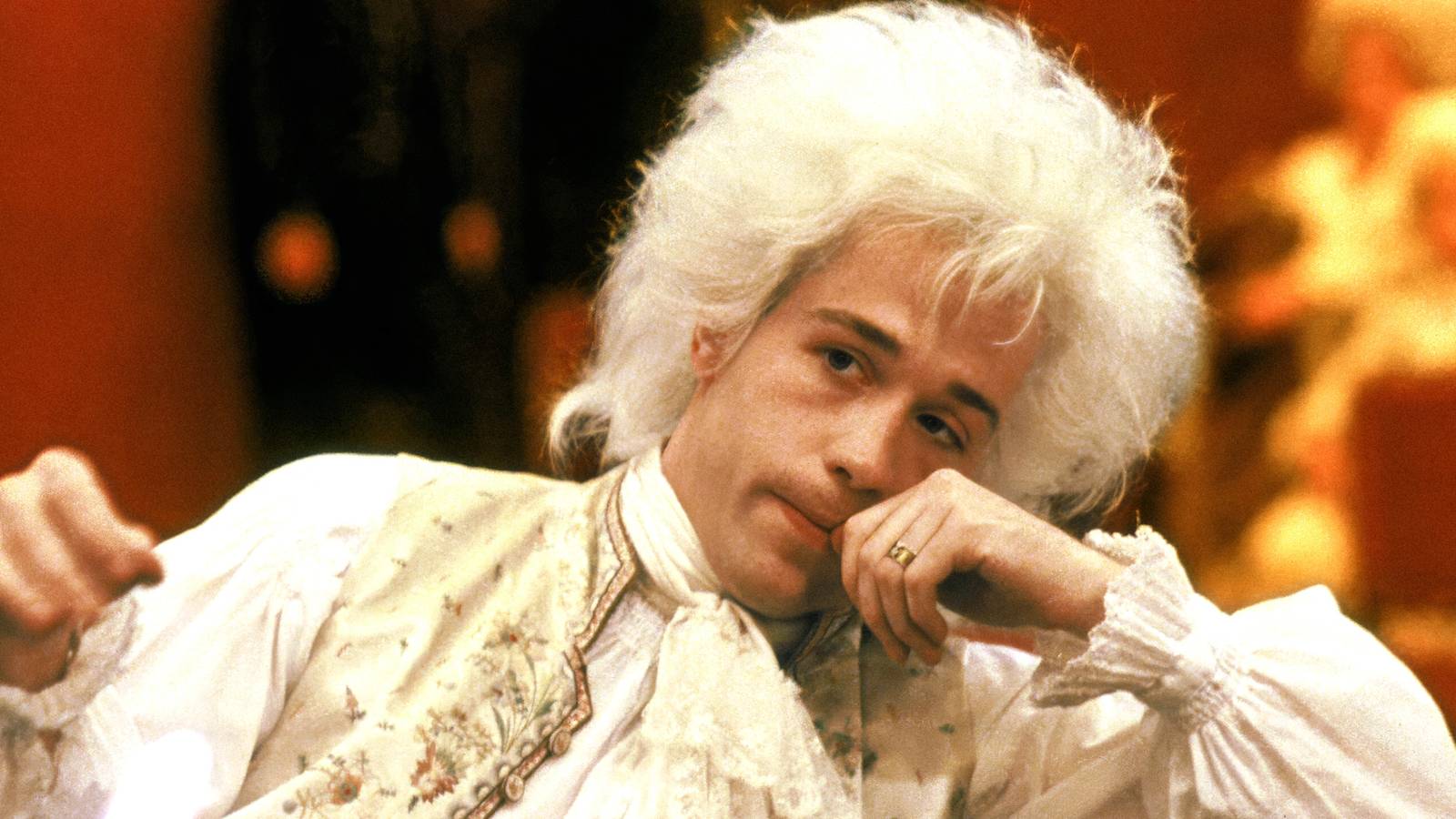
Milos Forman's Amadeus is a fictionalized account of the rivalry between composers Antonio Salieri and Wolfgang Amadeus Mozart. F. Murray Abraham won Best Actor for his portrayal of Salieri, whose jealousy and obsession drive the film. The movie won eight Oscars, including Best Picture, and is praised for its lavish production, stunning music, and exploration of genius and mediocrity. It's a period piece that feels alive with passion and tragedy.
3. Lawrence of Arabia (1962)
David Lean's Lawrence of Arabia is a sweeping epic about T.E. Lawrence, the British officer who united Arab tribes during WWI. Peter O'Toole's iconic performance, combined with Maurice Jarre's legendary score and Freddie Young's stunning cinematography, made it a cinematic milestone. It won seven Oscars, including Best Picture and Best Director. The film's desert landscapes and grand scale remain awe-inspiring, and it's often cited as one of the greatest films ever made.
2. Gone with the Wind (1939)
Though controversial for its romanticized view of the Civil War-era South, Gone with the Wind is a monumental achievement in filmmaking. Vivien Leigh and Clark Gable star in this epic romance set against the backdrop of war and reconstruction. It won eight Oscars, including Best Picture, and is remembered for its sweeping scope, memorable performances, and Technicolor grandeur. Its legacy is complicated, but its impact on cinema is undeniable.
1. The Godfather Part II (1974)
Francis Ford Coppola's The Godfather Part II is a masterclass in period storytelling, interweaving the immigrant story of young Vito Corleone (Robert De Niro) with the 1950s saga of his son Michael (Al Pacino). It won six Oscars, including Best Picture, and is widely considered one of the greatest sequels ever made. The film's exploration of power, family, and corruption is timeless, and its period details are impeccable. It's not just a great period movie—it's one of the greatest films of all time.
These films show that when filmmakers commit to authenticity and vision, the past can become as compelling as the present. For more cinematic gems, check out our list of top American movies of the past 15 years or explore emotionally devastating coming-of-age films.