The 1990s were a golden age for television thrillers, a time when shows didn't just aim to shock—they wanted to linger in your mind, unsettling you one episode at a time. Unlike today's binge-ready streaming model, '90s TV demanded patience: long seasons, weekly drops, and stories that unfolded slowly. But that slow burn is exactly what made the decade's best thrillers so powerful. They bent genre rules, turned cop procedurals into existential puzzles, and made audiences feel as disoriented as the characters on screen. Here's a look at the best thriller series from each year of the 1990s, shows that still define the genre today.
1990: Twin Peaks
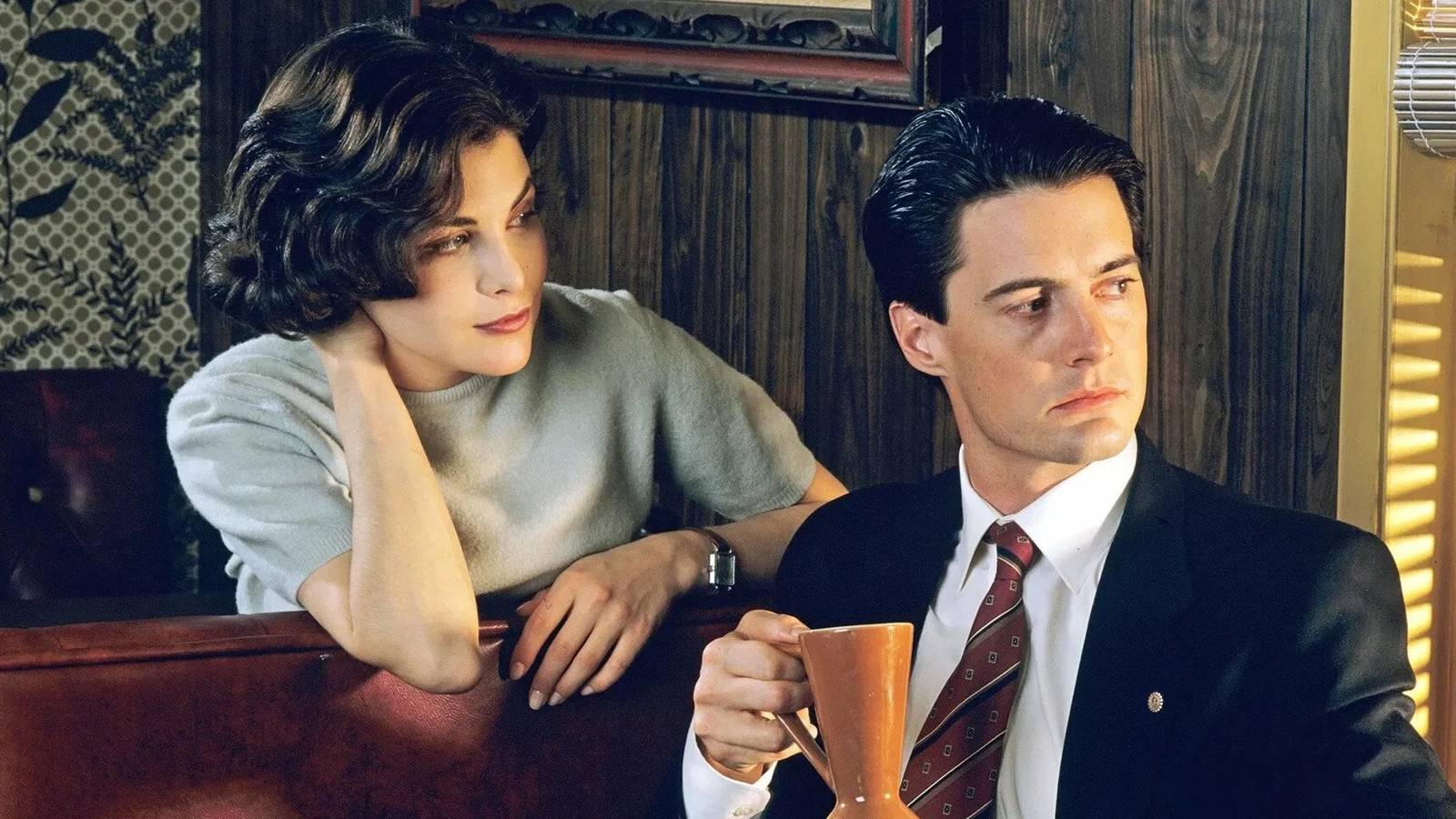
No list of '90s thrillers is complete without Twin Peaks. Premiering in 1990, David Lynch and Mark Frost's surreal masterpiece begins with the murder of homecoming queen Laura Palmer and the arrival of FBI Special Agent Dale Cooper. What starts as a familiar whodunit quickly spirals into a dreamlike exploration of grief, evil, and small-town secrets. Every clue leads to another mystery, and every character seems to live two lives. Twin Peaks is eerie, funny, and deeply unsettling—a show that didn't just redefine TV thrillers but changed what prestige television could be. It remains the gold standard for 1990.
1991: Dark Justice
For 1991, the underrated crime thriller Dark Justice took a bold premise: a judge who loses faith in the legal system after a personal tragedy becomes a vigilante by night. Judge Nicholas Marshall navigates the tension between his courtroom duties and his moral crusade against criminals who escape punishment on technicalities. The show's case-of-the-week format never feels stale, thanks to its focus on corruption, trauma, and systemic failure. It marked a turning point when thrillers started moving toward more complex, character-driven territory.
1992: Highlander: The Series
Based on the film franchise, Highlander: The Series follows Duncan MacLeod, an immortal warrior who has lived for over 400 years. On the surface, it's a high-octane action thriller with sword fights and the constant danger of “The Game”—a battle to the death among immortals. But beneath the spectacle, the show explores loss and identity. Duncan outlives everyone he loves, and flashbacks across centuries give his story emotional weight. It's a distinctive blend of substance and spectacle that deserves far more appreciation.
1993: The X-Files
If one show defined '90s thriller TV, it's The X-Files. FBI agents Fox Mulder (the believer) and Dana Scully (the skeptic) investigate paranormal cases, from alien conspiracies to monster-of-the-week urban legends. The push-and-pull between the leads anchors even the most outlandish ideas, while the show's structure—balancing long-running arcs with standalone episodes—kept audiences guessing. The X-Files tapped into a deep vein of paranoia and made it feel personal. For fans of modern spy thrillers, it's worth noting how shows like Prime Video's Citadel owe a debt to this kind of serialized mystery.
1994: NYPD Blue
While not a pure thriller, NYPD Blue brought a gritty, visceral intensity to the police procedural that influenced the genre for years. Its raw handheld camera work and complex character arcs made every case feel like a life-or-death struggle. The show pushed boundaries with its adult content and emotional depth, proving that a cop show could be as thrilling as any conspiracy drama.
1995: Murder One
Steven Bochco's Murder One took a revolutionary approach: an entire season following a single murder case from investigation to trial. The slow-burn legal thriller focused on defense attorney Ted Hoffman as he navigated a web of lies, media frenzy, and moral ambiguity. It was a precursor to today's prestige crime dramas, showing that patience could pay off with a deeply satisfying payoff.
1996: Profiler
In 1996, Profiler brought psychological profiling to the small screen. FBI agent Sam Waters uses her ability to get inside the minds of serial killers, blending crime-solving with a dark, emotional journey. The show's focus on the toll that hunting monsters takes on the hunter made it stand out, and its atmospheric storytelling kept viewers on edge.
1997: Buffy the Vampire Slayer
Though often labeled horror or fantasy, Buffy the Vampire Slayer is a masterclass in thriller storytelling. Each season built toward a world-ending threat, with monsters that were metaphors for real-life fears. The show's blend of wit, heart, and genuine scares made it a cultural phenomenon. It proved that a thriller could be both smart and wildly entertaining.
1998: La Femme Nikita
Based on the French film, La Femme Nikita followed a convicted criminal turned secret agent. The show thrived on tension—between Nikita's loyalty to her handlers and her desire for freedom, and between the high-stakes missions and the emotional cost. It was a sleek, stylish thriller that paved the way for later espionage dramas like Embassy and Alias.
1999: The Sopranos
While primarily a crime drama, The Sopranos is also a psychological thriller. Tony Soprano's sessions with his therapist peel back layers of paranoia, violence, and existential dread. The show's slow-burn tension—will Tony get caught? Will his family fall apart?—kept audiences riveted. It closed the decade by redefining what a thriller could be: intimate, character-driven, and utterly unpredictable.
These shows didn't just entertain; they changed the rules. For a deeper dive into how modern thrillers carry that torch, check out our look at Charlize Theron's Apex on Netflix or the upcoming zombie thriller We Bury the Dead on Hulu. The '90s may be over, but its thrillers live on.