Drama is the genre everyone thinks they can master. No explosions, no jump scares—just actors talking and feeling. But that's exactly why so many dramas fall flat. Without spectacle to hide behind, a film must earn every emotional beat. Too often, directors resort to swelling music or melodramatic speeches to fake depth. The result? Movies that feel preachy or hollow.
But every so often, a drama comes along that gets it right. These films don't manipulate—they immerse. They make you forget you're watching a screen and instead feel like you're living inside the story. I've walked out of theaters speechless, needing a moment to process what I just witnessed. These seven films, all released since 2010, are the gold standard. They pair unforgettable performances with razor-sharp filmmaking, creating experiences that linger long after the credits roll.

Moonlight (2016)
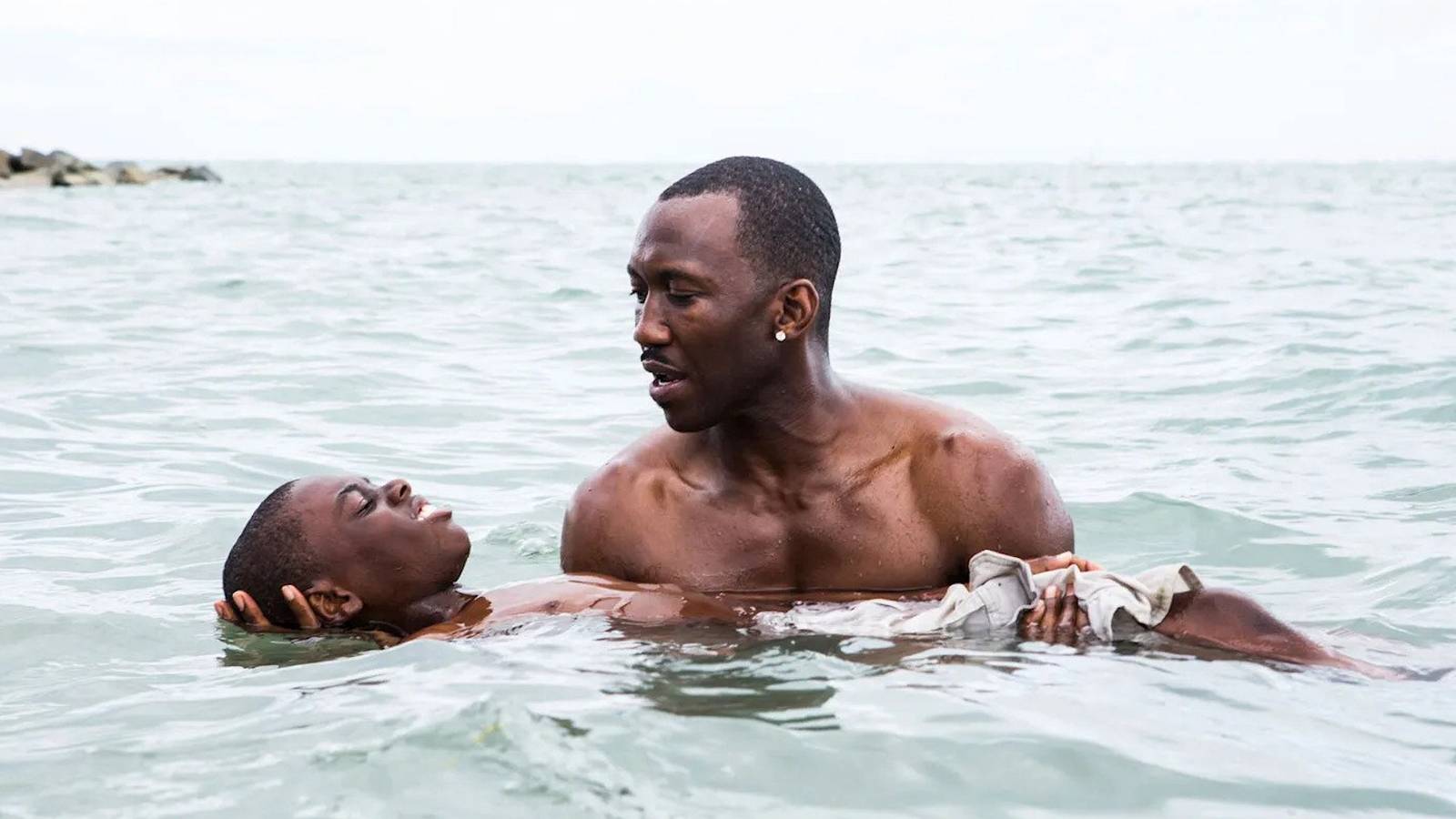
Barry Jenkins's Moonlight is a masterclass in empathy. Three actors portray Chiron at different stages of his life—a vulnerable child, a withdrawn teenager, and a hardened adult—yet you never doubt you're watching the same soul. Based on an unproduced play by Tarell Alvin McCraney, the film traces Chiron's journey growing up poor and gay in Miami, finding unexpected kindness from a drug dealer named Juan (Mahershala Ali) who becomes more of a father figure than his own mother.
The film famously won Best Picture in one of the most chaotic Oscar moments ever, when the wrong envelope was read for La La Land. But beyond the controversy, Moonlight stands on its own. Its score, which warps classical instruments like a hip-hop remix, underscores every quiet moment with haunting beauty. It's a film that doesn't just tell a story—it makes you feel every heartbeat.
The Social Network (2010)
David Fincher's The Social Network is a gripping legal drama disguised as a tech biopic. The narrative unfolds through two depositions, with Mark Zuckerberg (Jesse Eisenberg) defending how Facebook came to be. The film cuts between the sterile rooms where lawyers grill him and the chaotic events that led to the platform's creation.
Zuckerberg himself reportedly hated the portrayal, pointing out factual inaccuracies. But the film never claimed to be a documentary. It's a story about ambition, betrayal, and the loneliness of success. The final shot—Zuckerberg refreshing a Facebook page, waiting for an ex-girlfriend to accept his friend request—is a quietly devastating commentary on the emptiness of his empire. It's a perfect ending to a film that's as sharp as a scalpel.
Whiplash (2014)
Damien Chazelle's Whiplash is a pressure cooker of a movie. Andrew (Miles Teller) is a jazz drummer desperate to be great, and Fletcher (J.K. Simmons) is his instructor who believes greatness comes only through cruelty. Chazelle, drawing from his own high school jazz experiences, shot the film in just 19 days on a shoestring budget. The result is raw and electric.
Teller actually played the drums, and the blood on his hands was real—blisters bursting from hours of practice. The climactic solo, a ten-minute drumming tour de force with no dialogue, is one of the most stressful scenes in modern cinema. It's a film about the cost of perfection, and it leaves you breathless.
12 Years a Slave (2013)
Steve McQueen's 12 Years a Slave is an unflinching look at American slavery, based on Solomon Northup's 1853 memoir. Chiwetel Ejiofor stars as Northup, a free Black man kidnapped and sold into bondage. The film refuses to look away, using long, unbroken shots that force you to sit with the horror. One scene, where Northup is left hanging by the neck, is almost unbearable to watch.
Lupita Nyong'o, in her first film role, won an Oscar for her portrayal of Patsey, a woman tormented by their owner (Michael Fassbender). The film made history as the first Best Picture winner directed by a Black filmmaker. It's a brutal, necessary masterpiece that doesn't soften a single truth.
Parasite (2019)
Bong Joon-ho's Parasite is a genre-defying triumph that blends drama, thriller, and dark comedy. The title is deliberately ambiguous—who is the parasite? The poor Kim family, who infiltrate the wealthy Park household, or the Parks, who depend on others for every aspect of their lives? Song Kang-ho, a Bong regular, plays the Kim patriarch, living in a semi-basement apartment that mirrors his family's precarious social standing.
The film's class commentary is vivid, especially in a scene where a storm floods the Kims' home while the Parks sleep peacefully in their hilltop mansion. A decorative stone, given as a gift of fortune, becomes a recurring motif with sinister implications. Parasite is a film that keeps you guessing until the final frame, and it's no surprise it took home the Best Picture Oscar.
Portrait of a Lady on Fire (2019)
Céline Sciamma's Portrait of a Lady on Fire is a love story told with breathtaking restraint. In 18th-century France, Marianne (Noémie Merlant) is hired to paint a portrait of Héloïse (Adèle Haenel), a woman destined for an arranged marriage. But Héloïse refuses to sit for the painting, so Marianne must observe her in secret, studying her every feature.
The film is a slow burn, building tension through glances and unspoken words. It's a meditation on art, memory, and the intensity of first love. The final scene, set to Vivaldi's "Summer," is one of the most emotionally devastating in recent cinema. It's a film that proves drama doesn't need noise—just truth.
These seven films represent the pinnacle of modern drama. They don't rely on tricks or sentimentality. Instead, they trust their stories and their actors to move us. If you're looking for movies that will leave you changed, start here. And if you're hungry for more, check out our list of cinema redefining films since 2000 or explore crime dramas with perfect endings. For a different kind of perfection, see Netflix K-dramas that are masterpieces.