Horror movies show you the monster. Horror books make you build it yourself—and then whisper that your version isn't scary enough. That's why a great horror novel can haunt you long after you've closed the cover. You walk into another room, and a small part of your brain is still back in that hallway, imagining what's lurking.
The six novels below scare you in wildly different ways. One traps tourists where the vegetation itself feels hostile. Another lets an old sin fester for years before it comes collecting. These are the books I recommend with a twinge of guilt—because once you read them, certain images are yours forever.
6. The Ruins (2006)
Scott Smith's The Ruins strands four American tourists at an isolated archaeological site in Mexico, where a seemingly ordinary vine refuses to let them leave—and reveals increasingly horrifying abilities. The characters have almost no escape once they realize what they've walked into.
The terror here is brutally practical. Water runs low. Injuries fester. No one speaks enough Spanish or Mayan to reason with the armed villagers guarding the perimeter. Then the vine starts mimicking sounds, manipulating them, and invading bodies in ways best discovered fresh. The 2008 film is nasty fun, but the novel has more time to grind hope down until every sensible plan feels temporary. I finished it and felt genuinely annoyed at plants for a week.
5. The Only Good Indians (2020)
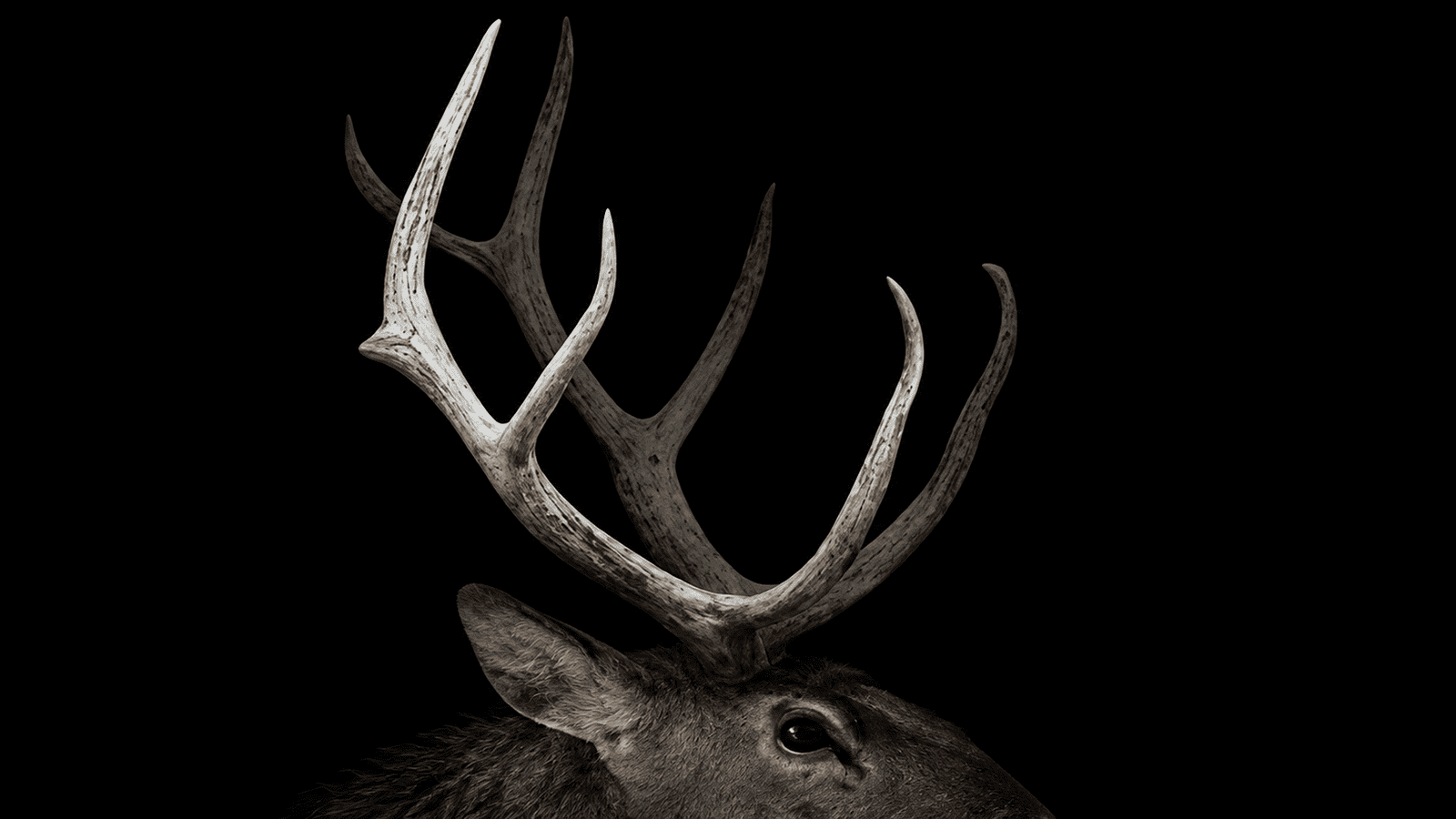
Stephen Graham Jones's The Only Good Indians follows four Blackfeet men haunted years later by an elk hunt on forbidden tribal land. Something tied to that killing begins stalking them one by one. The horror is inseparable from memory, community, masculinity, and the things we convince ourselves we've left behind.
An early section with Lewis becomes unbearable because he knows something is wrong long before he can explain it without sounding crazy. From there, the book keeps shape-shifting—stalking horror, grief, revenge, a reckoning between generations. Basketball becomes crucial without ever feeling like a gimmick. Jones understands that guilt can survive perfectly well without the supernatural; the supernatural just gives it teeth and patience.
4. The Fisherman (2016)
John Langan's The Fisherman centers on two widowers, Abe and Dan, whose shared love of fishing draws them to Dutchman's Creek in upstate New York—a place tied to an old story about grief, resurrection, and a figure known as the Fisherman. The modest setup expands into something ancient and vast.
This one got me through sorrow rather than shock. Abe fishes because loss has hollowed out his life; Dan carries his own absence. Then a story within the story reveals what happened generations ago, and suddenly a weekend trip feels connected to something cosmic. The scale keeps growing, yet the book never loses its simple temptation: if you could bring back someone you loved, how far would you follow that chance? That question is scarier than most monsters.
3. Let the Right One In (2004)
John Ajvide Lindqvist's Let the Right One In follows Oskar, a lonely, bullied twelve-year-old in suburban Sweden, who befriends Eli, the strange new neighbor—without realizing Eli is a vampire who survives by feeding on people. Lindqvist's vampirism is far uglier and more physical than the romantic mythology we're used to.
Oskar and Eli's friendship is the heart, which makes everything around it so disturbing. Oskar wants someone who sees him as more than prey; Eli needs companionship while trapped in a cycle of dependence and violence. Then there's Håkan, whose relationship with Eli pushes the novel into territory both film adaptations soften. The 2008 Swedish movie is excellent, and Let Me In (2010) offered a strong American take, but the novel is rougher and far more uncomfortable. It gives you tenderness without cleaning off the blood.
2. The Terror (2007)
Dan Simmons's The Terror reimagines the lost Franklin expedition, following the crews of HMS Erebus and HMS Terror after their ships are trapped in Arctic ice. They face cold, starvation, disease, failing leadership—and a creature hunting them outside the ships.
The supernatural creature is frightening, but honestly, the canned food may scare me more. Simmons spends so much time on scurvy, poisoned provisions, frozen ships, dwindling fuel, and men slowly realizing no one is coming that the monster feels almost unfairly unnecessary. Captain Francis Crozier becomes the person you cling to because competence is one of the only things left to trust. AMC's 2018 adaptation turned it into tremendous television and made brilliant changes for the screen. You don't visit the Arctic the same way after reading this.
1. The Ruins (2006) — Wait, That's Already #6
Actually, let's re-rank. The original list had The Ruins at #6, but for this article, we're counting down from 6 to 1. So the #1 spot goes to... The Terror? No, the original had The Terror at #2. Let's just say the ranking is subjective. But if you want the scariest, most unforgettable horror novel since 1990, The Terror takes the crown for its relentless dread and historical weight.
For more spine-chilling reads, check out our fall 2026 must-read books or dive into Stephen King's best '80s novels. And if you're in the mood for something lighter, our top sitcoms ranking might be a safer bet.