Horror movies are supposed to divide audiences. They're meant to get under your skin in deeply personal ways, tapping into specific fears that not everyone shares. So when a horror film achieves near-universal love—from critics and genre obsessives to casual viewers and even people who claim they don't like horror—it's a rare and remarkable feat. These movies don't just scare; they captivate across generations, becoming cultural touchstones that everyone knows, debates, and passes along with a knowing look. Here are the six most universally beloved horror films of all time, ranked.
6. The Thing (1982)
John Carpenter's The Thing taps into one of humanity's most primal anxieties: the inability to trust those closest to you. Set in an isolated Antarctic research station, the film introduces a shape-shifting alien that can perfectly imitate any living being. Suddenly, every glance, every conversation, every injury becomes a potential death sentence. Carpenter masterfully builds an atmosphere of paranoia so thick it becomes the movie's true antagonist. The practical effects remain jaw-dropping decades later—the chest-opening defibrillator scene, the dog transformation, and Palmer's grotesque change are benchmarks of body horror. Kurt Russell's MacReady is a perfect anchor: competent, angry, and increasingly isolated as facts dissolve around him. The final, ambiguous stare between MacReady and Childs (Keith David) leaves viewers trapped in doubt—exactly where the film wants them.
5. Halloween (1978)
Before Halloween, slasher films existed, but Carpenter's masterpiece defined the grammar of the genre. What makes it so beloved, though, goes beyond its influence. The terror comes from the mundane: suburban sidewalks, hedges, laundry, babysitting. Michael Myers (Nick Castle) isn't a gothic monster; he's a shape in the background, a patient intrusion into ordinary life. Jamie Lee Curtis's Laurie Strode is more attentive and inward than her friends, making her the perfect center for a story about noticing danger too late. Donald Pleasence's Dr. Loomis delivers chilling exposition about the evil they face. Once the stalking begins—across the street, behind the hedge, inside the house—Halloween becomes a pure machine of dread. That control is why everyone loves it.
4. Alien (1979)
Ridley Scott's Alien gives us one of the greatest horror setups ever and refuses to waste a second. The crew of the Nostromo are workers, not heroes—they gripe about pay and procedure, making their world feel lived-in before horror strikes. When Kane (John Hurt) discovers the egg, the film unleashes a cascade of iconic moments: the facehugger, the chestburster (still one of cinema's most violent shocks), Dallas in the vents, and Ash's revelation of corporate indifference. Sigourney Weaver's Ripley earns her authority scene by scene, becoming the ultimate survivor. The xenomorph is terrifying, but the film's greatness also comes from its entwining of bodily violation, corporate greed, and the hostility of space itself. By the final confrontation, it's just Ripley, a cat, and pure nerve.
3. The Shining (1980)
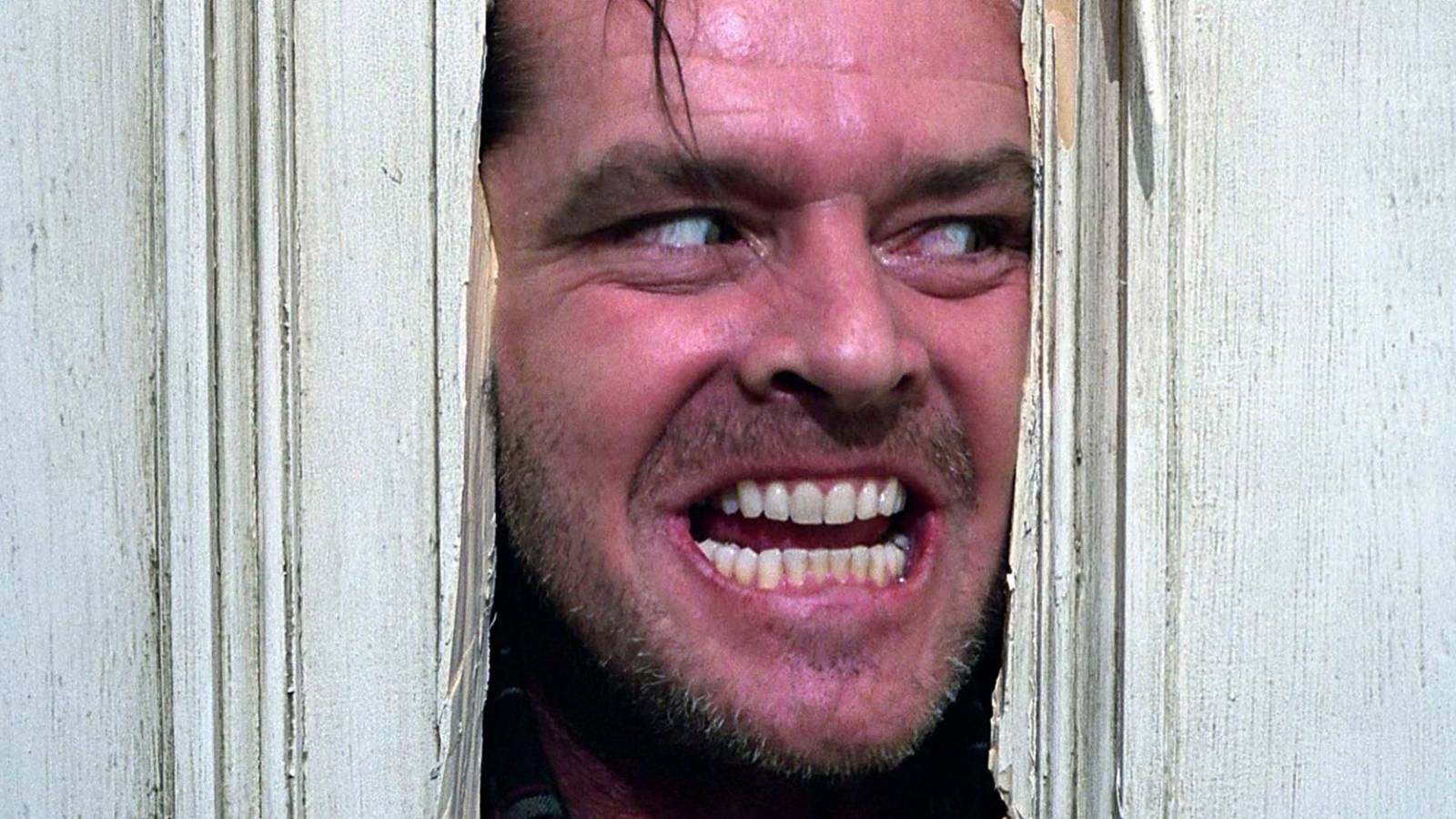
Stanley Kubrick's The Shining works on every level horror can offer—and then keeps going. It's haunted-hotel dread, domestic collapse, psychological horror, and visual nightmare all at once. Jack Nicholson's Jack Torrance starts with enough charm to make his descent into madness feel tragically inevitable. The Overlook Hotel itself becomes a character, its impossible geometry and eerie silence doing narrative work. The film feels bottomless, revealing new secrets with each viewing. It's a movie that horror fans, cinephiles, and casual viewers all claim as their own—a rare feat that cements its place in the pantheon.
2. The Exorcist (1973)
William Friedkin's The Exorcist remains the gold standard for supernatural horror. It's not just about demonic possession; it's a story about faith, doubt, and the fragility of the human body. Linda Blair's Regan transforms from a sweet girl into a vessel of pure evil, but the film's power comes from its grounded approach—the medical tests, the desperate mother (Ellen Burstyn), and the crisis of faith faced by Father Karras (Jason Miller). The pea-soup vomiting, the spider walk, and the crucifix scene are seared into pop culture, but the film's emotional core keeps it from being mere shock value. It's a movie that makes believers out of skeptics and skeptics out of believers.
1. Psycho (1960)
Alfred Hitchcock's Psycho didn't just change horror; it changed cinema. The shower scene is the most famous murder in film history, but the movie's genius runs deeper. It subverts expectations by killing its apparent protagonist (Janet Leigh's Marion Crane) halfway through, then forces us to sympathize with Norman Bates (Anthony Perkins), a shy motel owner with a dark secret. The film's psychological complexity, innovative editing, and Bernard Herrmann's shrieking score created a template that countless films have followed. Psycho is beloved because it's both a masterclass in suspense and a deeply unsettling character study. It's the horror movie that even people who don't like horror can't deny.
These six films prove that universal love in horror is possible when craft, emotion, and terror align perfectly. They're not just scary—they're essential. For more on the genre, check out our look at Samara Weaving's return to horror or our ranking of Rob Zombie's worst horror movies.