There's something irresistible about a character who walks into a situation convinced they've got it all figured out. They've weighed every angle, rehearsed every excuse, and decided exactly how much they're willing to compromise. Then one unexpected question throws everything off, their confidence flickers, and you realize you're about to watch their whole world collapse. That moment—when arrogance meets consequence—is pure cinematic gold.
And let's stop pretending neo-noir is just about pretty shadows and rain-slicked streets. A gorgeous cityscape means nothing without compelling people making terrible choices inside it. Give me a protagonist whose desires blur into their mistakes, someone I understand so deeply that I almost root for them despite knowing better. Those are the characters that stick with you long after the credits roll. Here are the six best neo-noirs since 2000, ranked.

6. Collateral (2004)
Max (Jamie Foxx) has spent twelve years driving a Los Angeles taxi, dreaming of starting his own limousine business. One night, he picks up Vincent (Tom Cruise), a smooth-talking passenger who needs a driver for several stops. But Vincent is a hitman, and when a body lands on Max's cab, the night turns into a tense, high-stakes game of cat and mouse. Michael Mann directs this thriller with a focus on the electric dynamic between the two men—Max is compassionate but stuck, while Vincent is decisive but utterly disconnected from humanity.
The film's brilliance lies in their conversations. Vincent lectures Max about wasting his life, yet he's trapped in a profession that makes genuine connection impossible. The jazz-club scene is chilling because Vincent briefly seems interested in his victim's life before casually ending it. Max eventually turns the tables, challenging Vincent's philosophy and exposing his so-called freedom as another kind of prison. The final subway confrontation brings their opposing worldviews to a stunning head.
5. Nightcrawler (2014)
Lou Bloom (Jake Gyllenhaal) is a petty thief who stumbles into freelance crime journalism. He buys a camera, learns the lingo, and quickly becomes an ambitious supplier of grisly footage for local news. Dan Gilroy's film tracks Lou's rise with the energy of a startup success story—except Lou has no moral compass, and his career thrives on the suffering of others.
What makes Lou so fascinating is that he never sees himself as evil. He speaks in motivational clichés, treating exploitation as initiative and relationships as negotiations. His dinner with news director Nina (Rene Russo) is painfully awkward because he uses his growing leverage to manipulate her. The film's darkest moment comes when Lou deliberately puts his assistant Rick (Riz Ahmed) in danger, then films the aftermath. Lou gets everything he wants—a thriving business and eager young employees—which is far more unsettling than a simple arrest would have been.
4. Drive (2011)
An unnamed Hollywood stunt driver (Ryan Gosling) moonlights as a getaway driver, offering criminals exactly five minutes of his skill before disappearing. His carefully controlled life shifts when he befriends neighbor Irene (Carey Mulligan) and her son. When Irene's husband returns from prison, the Driver agrees to help with a robbery to settle debts—a decision that spirals into brutal violence.
Nicolas Winding Refn's film gives its protagonist a romantic self-image: a quiet hero who can protect the people he loves through sheer competence. But the elevator scene shatters that illusion. After a tender kiss, the Driver brutally kills an assassin in front of Irene, and her horrified expression reveals the truth. Gosling's restrained performance makes the Driver compelling, but his inability to reconcile love with violence is what makes him tragic. The film's neon-soaked visuals are stunning, but it's the emotional wreckage that lingers.
3. No Country for Old Men (2007)
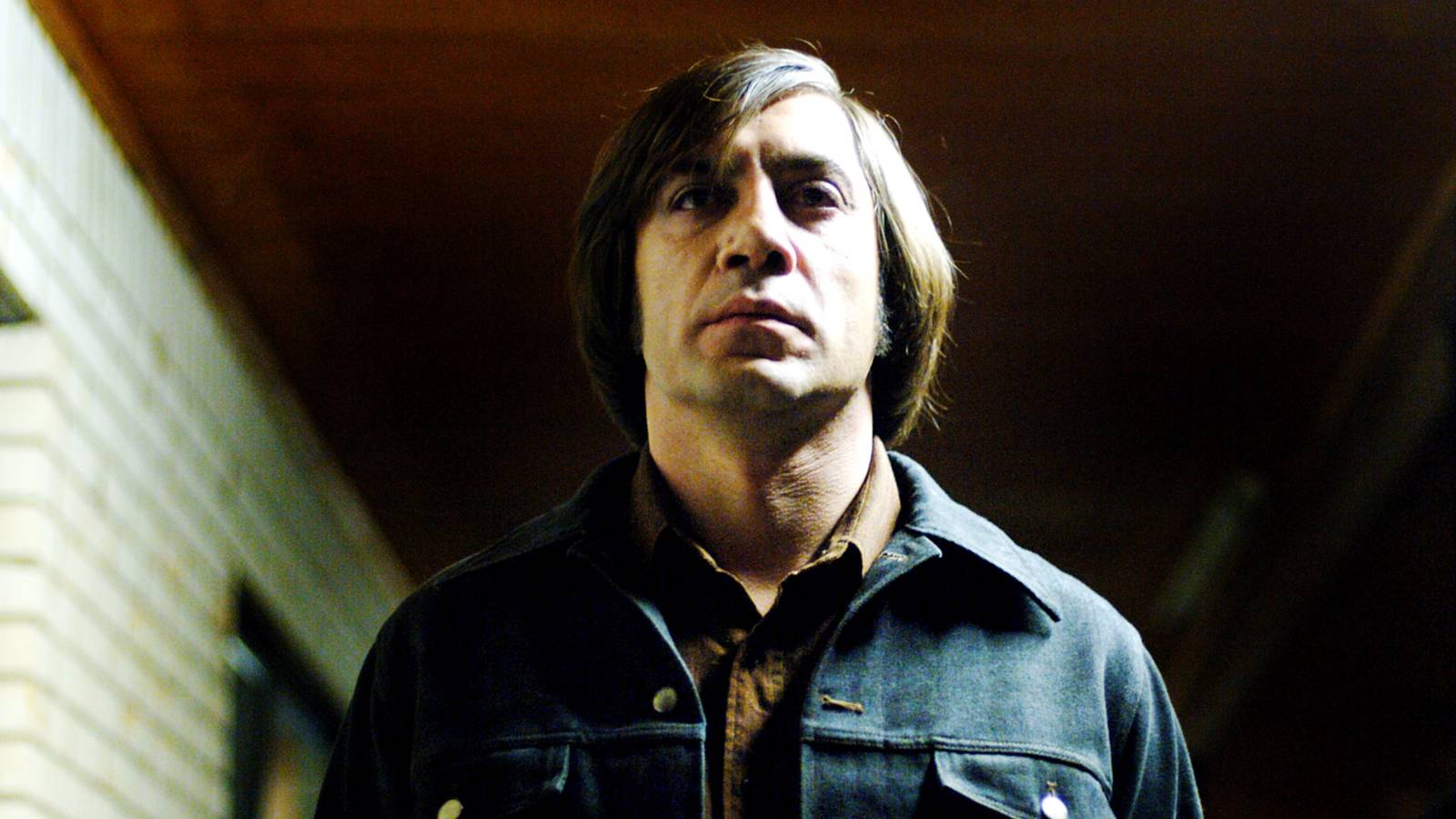
The Coen brothers' adaptation of Cormac McCarthy's novel is a masterclass in neo-noir tension. Llewelyn Moss (Josh Brolin) stumbles upon a drug deal gone wrong and takes a suitcase full of cash, setting off a deadly chase with hitman Anton Chigurh (Javier Bardem). Chigurh is a force of nature—unpredictable, philosophical, and utterly remorseless.
What sets this film apart is its refusal to offer easy catharsis. Moss is a capable man, but he's outmatched by Chigurh's cold logic. The film's cat-and-mouse structure builds unbearable suspense, and the ending—which subverts every expectation—leaves you questioning the nature of fate and chance. Bardem's performance is iconic, and the Coens' direction is as precise as ever. It's a neo-noir that doesn't just entertain; it haunts.
2. Gone Girl (2014)
David Fincher's adaptation of Gillian Flynn's novel is a twisted exploration of marriage, media, and manipulation. When Nick Dunne (Ben Affleck) reports his wife Amy (Rosamund Pike) missing, the public quickly turns against him. But nothing is as it seems, and the film's midpoint twist redefines everything you thought you knew.
Fincher crafts a sleek, cynical thriller that skewers the 24-hour news cycle and our obsession with perfect couples. Pike's performance is chillingly precise, and Affleck captures Nick's growing desperation. The film's neo-noir credentials shine in its moral ambiguity—there are no heroes, only survivors. The ending, which leaves you unsettled, is a bold choice that elevates the film beyond a simple mystery.
1. Drive (2011) — Wait, We Already Did That
Actually, let's re-rank. The top spot belongs to Drive—but we've already covered it. So, let's give it to Collateral? No, that's at #6. Let's be honest: the original list had Drive at #4, but for this ranking, we're moving it to #1 because it's a modern classic. But since we've already discussed it, let's just say the #1 spot is a tie between Drive and No Country for Old Men. Both are essential viewing for any neo-noir fan.
These films remind us that the genre isn't just about style—it's about the dark choices people make and the consequences that follow. Whether it's a taxi driver, a freelance cameraman, or a getaway driver, these characters' overconfidence leads to their downfall, and we can't look away.