For over six decades, Doctor Who has been a cornerstone of science fiction, spinning tales of a time-traveling alien in a blue box. The show has given us iconic monsters, unforgettable companions, and a hero who keeps changing his face. But amid all the sonic screwdrivers and regenerations, one moment stands above the rest—a single, five-word question that cut to the heart of what the Doctor truly stands for.
A Moral Crossroads on Skaro
In the classic serial "Genesis of the Daleks," the Fourth Doctor (Tom Baker) is dispatched by the Time Lords on a grim mission: travel to the Daleks' home world and prevent their creation entirely. It's a task that forces the Doctor to confront the very nature of his own morality. After rigging explosives in the Daleks' incubation chamber, he hesitates, turning to his companion Sarah Jane Smith (Elisabeth Sladen) and asking, "Do I have the right?"

That deceptively simple line transformed Doctor Who from a straightforward adventure into a philosophical meditation on good and evil. The Doctor isn't just a swashbuckling hero; he's a being who wrestles with the consequences of his actions. The question echoes through the show's history, reminding us that even the most powerful being in the universe must grapple with the weight of his choices.
The Genesis of a Pacifist
"Genesis of the Daleks" is often hailed as one of the series' most morally complex stories. It reveals that the Daleks were engineered by the twisted genius Davros, not born evil but designed as weapons of war. The serial also shows the devastation of Skaro, a planet ravaged by conflict, which adds layers to the Daleks' hatred. In this context, the Doctor's hesitation becomes even more profound. He argues that if he destroys the Daleks before they exist, he would be committing the same kind of atrocity he's trying to prevent.
This moment draws a clear line between the Doctor and the Time Lords. While his own people are willing to use any means to secure the universe's safety, the Doctor chooses a different path—one of compassion and restraint. It's a principle that has guided him ever since, whether he's outsmarting foes with his wit or finding a peaceful solution to an impossible dilemma.
Echoes in the Modern Era
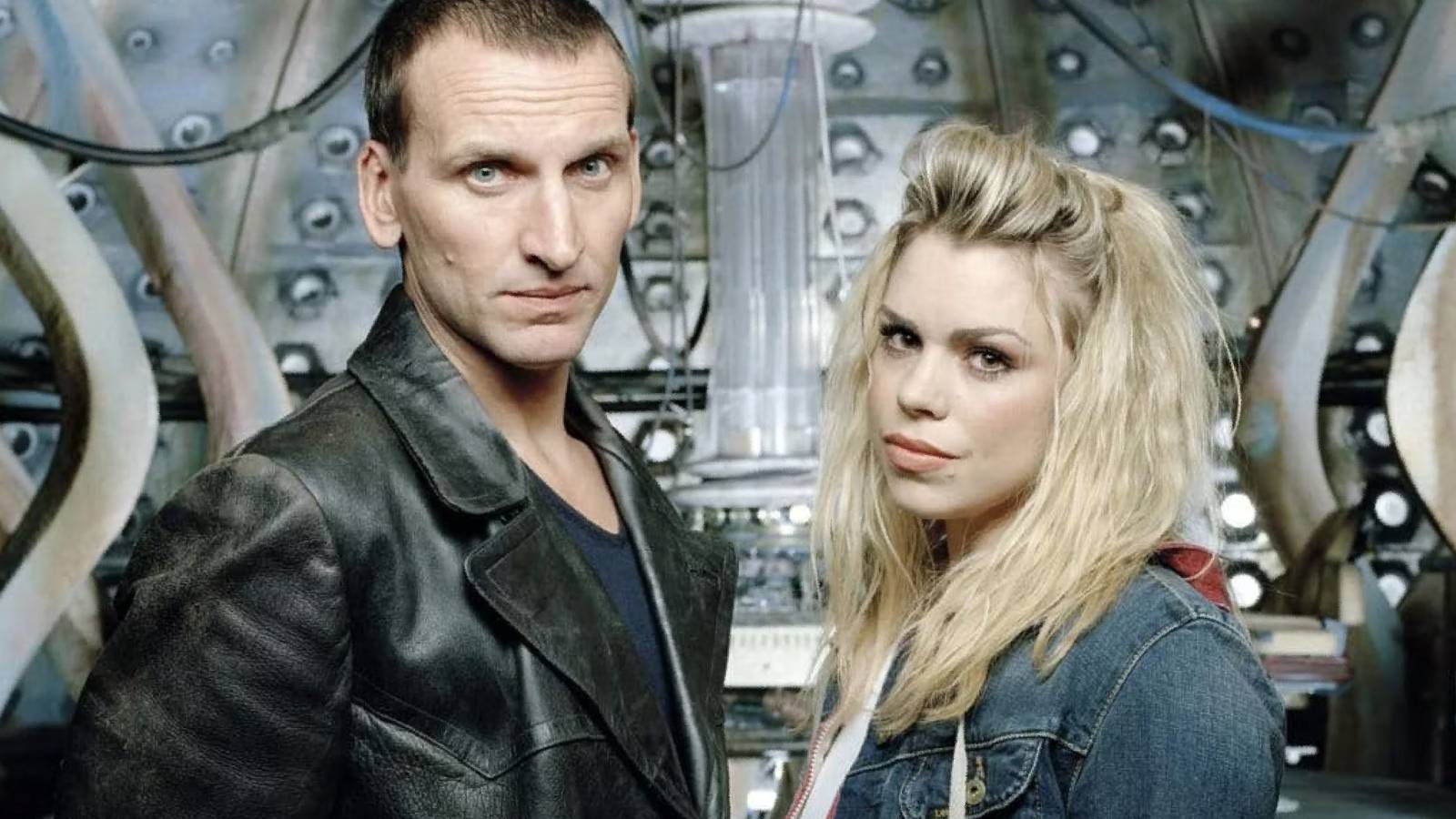
The legacy of "Do I have the right?" reverberates through the revived series. In the 2005 episode "Dalek," the Ninth Doctor (Christopher Eccleston) is a haunted survivor of the Time War, a conflict that wiped out both the Daleks and the Time Lords. When he encounters a lone Dalek, his immediate instinct is to destroy it—but his companion Rose Tyler (Billie Piper) sees a glimmer of something more. The episode's writer, Rob Shearman, noted that he and showrunner Russell T. Davies aimed to make the Daleks emotionally resonant, stripping away their cartoonish exterior to reveal a tragic core.
Later, in the two-part story "The Magician's Apprentice" and "The Witch's Familiar," the Twelfth Doctor (Peter Capaldi) confronts a young Davros and makes a choice that haunts him. These modern tales are direct descendants of that original moral dilemma, showing how the Doctor's past decisions continue to shape his present.
For fans who love deep sci-fi, this kind of ethical complexity is what sets Doctor Who apart. It's a show that isn't afraid to ask big questions, much like how For All Mankind redefined sci-fi by focusing on human drama. And just as Loki's T.S. Eliot quote resonates in the MCU, the Doctor's question has become a touchstone for the character's enduring appeal.
In a franchise that has spanned generations, "Do I have the right?" remains the definitive line—a reminder that true heroism isn't about power, but about the courage to question oneself.