The 2000s weren't just a good decade for superhero movies—they were the decade that built the genre from the ground up. Before the MCU became a cultural juggernaut, before every studio chased a shared universe, the films of 2000 to 2009 laid the foundation. They proved that comic book characters could be taken seriously, could make serious money, and could tell stories that resonated far beyond the page. Without these trailblazers, we wouldn't have the cinematic landscape we enjoy today.
From Sam Raimi's heartfelt Spider-Man trilogy to Christopher Nolan's gritty Batman saga, the 2000s delivered a string of near-perfect films. Some were massive blockbusters, others were cult favorites, but all of them pushed the genre forward. Here are six superhero movies from that era that remain absolute masterpieces.
Spider-Man (2002)
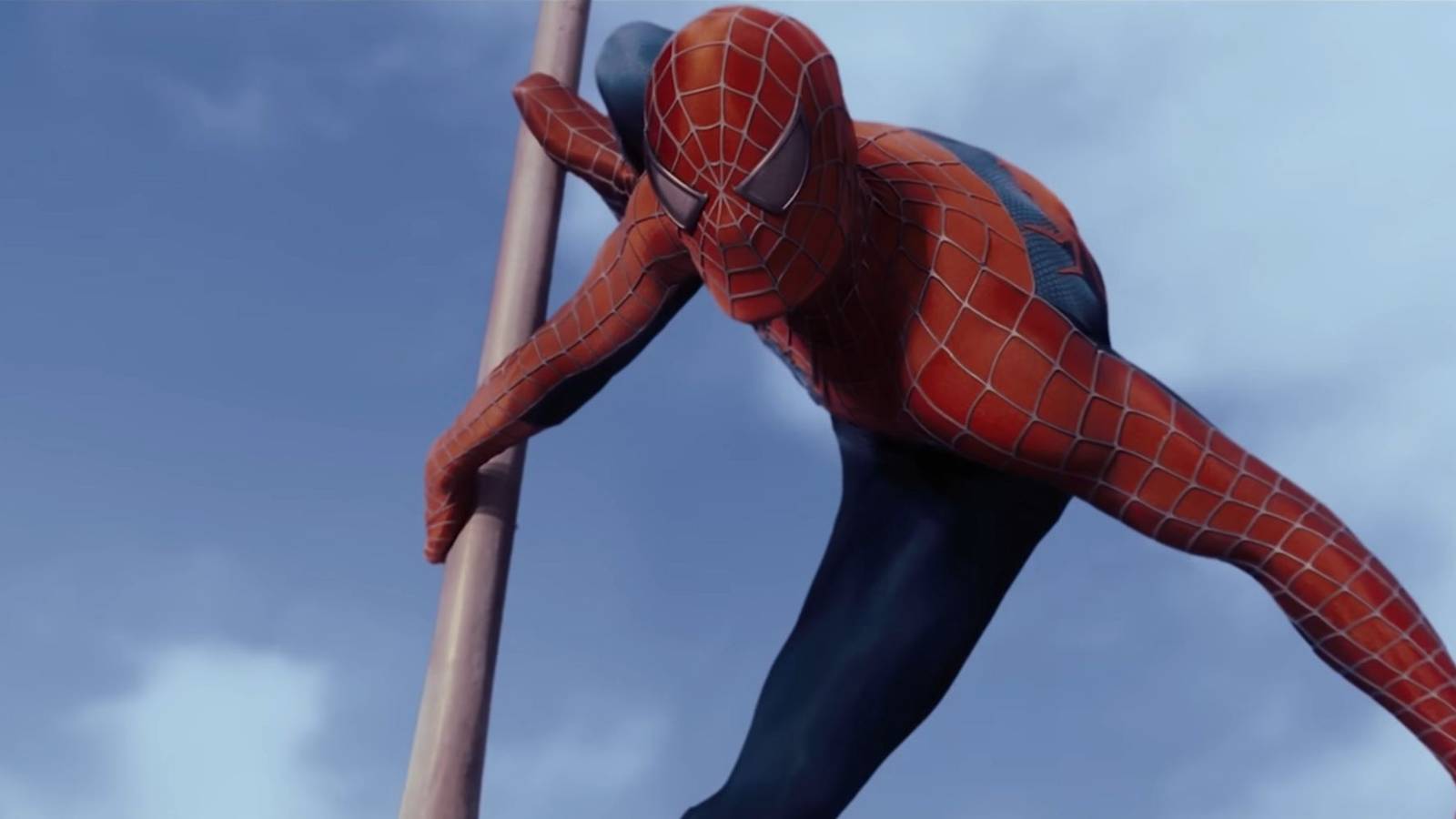
When Sam Raimi's Spider-Man swung into theaters in 2002, it changed everything. The film wasn't just a hit—it was a phenomenon. It became the first movie ever to gross over $100 million in its opening weekend, eventually earning nearly $825 million worldwide. That kind of success proved to studios that superheroes were a bankable investment, not just a niche interest.
But the film's greatness goes beyond its box office numbers. Raimi's direction embraced the source material with unapologetic joy, and Willem Dafoe's Green Goblin remains one of the most memorable villains in the genre. The CGI, while dated by today's standards, was revolutionary for its time. It's a film that captures the essence of Peter Parker—his struggles, his humor, his heart—and it set the template for every Spider-Man movie that followed.
Blade II (2002)
Before the 2000s, R-rated superhero movies were rare. Blade changed that, and its sequel, Blade II, took things to another level. Directed by Guillermo del Toro, the film blended horror, action, and gothic style into a thrilling ride. Del Toro's emphasis on practical effects made the vampire-on-vampire violence feel visceral and real, something CGI often struggles to achieve.
Wesley Snipes returned as the day-walking vampire hunter, bringing his signature intensity and martial arts prowess. The film's fast-paced action and dark atmosphere made it a standout in the genre, proving that superhero movies could be edgy and mature without losing their entertainment value.
X2: X-Men United (2003)
Bryan Singer's X2: X-Men United is often called the Empire Strikes Back of the X-Men franchise, and for good reason. It took everything the first film established and amplified it—higher stakes, deeper themes, and a more complex villain in William Stryker, played with chilling precision by Brian Cox.
The opening sequence, where Nightcrawler (Alan Cumming) infiltrates the White House, is still one of the best action set pieces in superhero cinema. But the film's real power lies in its allegory for discrimination and bigotry, which resonates as strongly today as it did in 2003. It's a rare sequel that improves on its predecessor in every way.
Iron Man (2008)
2008 was a landmark year for superhero movies, and Iron Man was the film that kicked off the Marvel Cinematic Universe. Directed by Jon Favreau and starring Robert Downey Jr. as Tony Stark, the movie was a perfect storm of charismatic performance, sharp writing, and cutting-edge visual effects.
Downey Jr.'s portrayal of Stark was a career-defining comeback, and his wit and vulnerability made the character instantly iconic. The film's CGI, particularly the Iron Man suit, still holds up remarkably well—arguably better than some modern MCU entries. Iron Man didn't just launch a franchise; it changed the entire industry, proving that a shared cinematic universe was not only possible but wildly profitable.
The Dark Knight (2008)
The other half of 2008's superhero revolution was Christopher Nolan's The Dark Knight. This wasn't just a comic book movie—it was a crime epic that transcended the genre. Christian Bale's Batman was grounded and gritty, but the film's true star was Heath Ledger's Joker, a performance that remains one of the most celebrated in cinematic history.
Ledger's Joker was chaotic, terrifying, and utterly mesmerizing, earning him a posthumous Oscar. The film's exploration of order versus chaos, and its moral complexity, set a new standard for what superhero movies could achieve. It influenced everything that came after, from The Amazing Spider-Man's darker tone to the grim realism of later DC films.
Spider-Man 2 (2004)
While Spider-Man was a revelation, its sequel, Spider-Man 2, is often considered the pinnacle of the trilogy. Raimi returned with a story that delved deeper into Peter Parker's internal struggles, balancing his responsibilities as a hero with his personal life. Alfred Molina's Doctor Octopus was a tragic villain, and the film's emotional depth set it apart from typical superhero fare.
The train fight sequence remains a masterclass in action filmmaking, and the film's themes of sacrifice and duty resonate long after the credits roll. Spider-Man 2 is proof that a superhero movie can be both spectacular and deeply human.
These six films didn't just define the 2000s—they defined the genre for decades to come. They showed that superheroes could be more than just colorful costumes and explosions; they could be vehicles for powerful storytelling. As we look back on this golden era, it's clear that these masterpieces are timeless. For more on the genre's evolution, check out the flawless superhero films of the 2010s or explore the greatest soft sci-fi movies for a different kind of cinematic wonder.