Science fiction has always been a window into tomorrow, but a select few authors have managed to hit the bullseye with startling accuracy. They saw the digital revolution, the rise of surveillance states, and the ethical dilemmas of artificial intelligence long before the rest of us. Here are the most prophetic sci-fi books ever written, ranked by their foresight and impact.
8. The Shockwave Rider (1975)
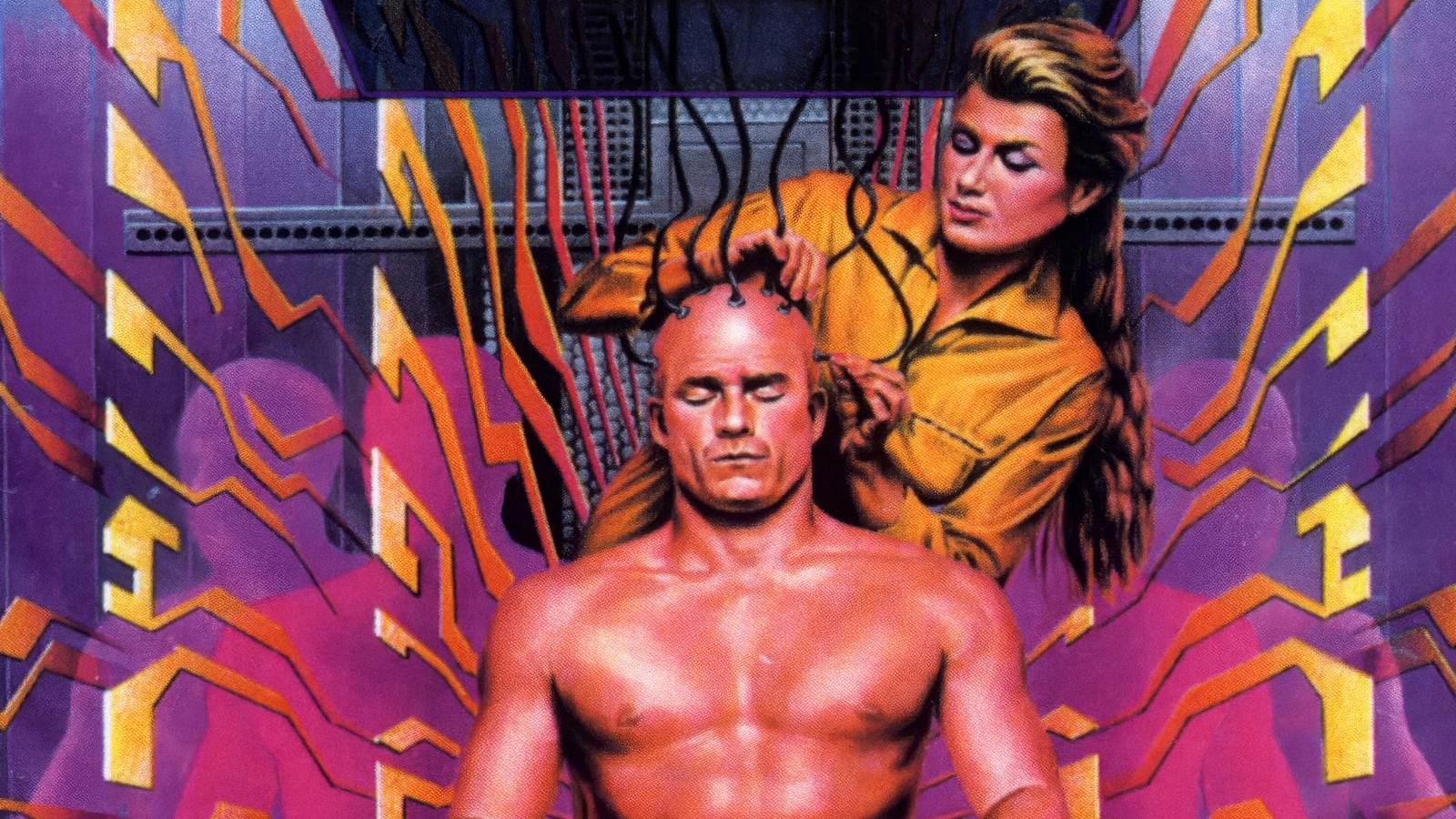
John Brunner's The Shockwave Rider is a cyberpunk precursor that practically sketched out the internet age. The story follows Nick Haflinger, a fugitive who can manipulate vast computer networks while dodging a pervasive surveillance state. Brunner coined the term "worm" for self-replicating malware, but the novel's real prescience lies in its exploration of hacking, data theft, and information overload—issues that dominate our digital lives today.
7. Fahrenheit 451 (1953)
Ray Bradbury's classic dystopia isn't just about book burning; it's a warning about a society that willingly trades critical thought for mindless entertainment. Firefighter Guy Montag burns books in a world where ideas are dangerous, but he soon questions everything. Bradbury predicted interactive screens, wireless earbuds, and the numbing effect of fast-paced, shallow content—a vision that feels eerily familiar in the age of social media and streaming binges.
6. Snow Crash (1992)
Neal Stephenson's Snow Crash gave us the Metaverse—a virtual reality world where users interact through avatars—years before platforms like Second Life or Meta. The novel also foresaw corporate dominance, cryptocurrency, and even a global mapping system that resembles Google Earth. Stephenson's blend of hacker culture and ancient mythology makes this a must-read for anyone interested in the digital frontier.
5. The Machine Stops (1909)
E.M. Forster's novella is a century-old prophecy that reads like a modern tech dystopia. In a future where Earth's surface is uninhabitable, humans live in isolated underground rooms, communicating via screens, consuming endless content, and relying on an omnipresent AI called "the Machine." Forster predicted video conferencing, cloud storage, automation, and even pandemic-style isolation—decades before any of it existed.
4. Machines Like Me (2019)
Ian McEwan's Machines Like Me is a recent addition but already feels essential. Set in an alternate 1980s where AI developed early, it follows Charlie, who buys a robot named Adam. The novel explores the messy dynamics of human-AI relationships, questioning what makes us human and whether machines might have better moral compasses than we do. It's a thought-provoking take on AI ethics that's more relevant than ever.
3. Nineteen Eighty-Four (1949)
George Orwell's masterpiece remains the gold standard for dystopian fiction. Winston Smith's rebellion against the totalitarian Party, with its constant surveillance and rewritten history, has become shorthand for authoritarianism. Orwell's concepts—Big Brother, doublethink, Newspeak—are now part of our cultural vocabulary, and his warnings about state control and manipulation are as urgent today as they were in 1949.
2. Neuromancer (1984)
William Gibson's Neuromancer didn't just predict the internet; it defined cyberpunk. The novel's "cyberspace"—a virtual reality where data is visualized and hacked—was a radical idea in 1984, but it now feels like a blueprint for the web. Gibson also foresaw artificial intelligence, corporate power, and the blending of human and machine. It's a gritty, stylish, and astonishingly prescient work.
1. The Circle (2013)
Dave Eggers' The Circle is a chillingly accurate satire of tech companies and social media. It follows Mae Holland as she joins a powerful tech corporation that pushes for total transparency—cameras everywhere, social scores, and the elimination of privacy. Eggers predicted the rise of surveillance capitalism, cancel culture, and the cult of sharing. It's a terrifyingly plausible vision of our near future.
These books aren't just great reads—they're time machines that saw where we were heading. For more on speculative fiction and its real-world echoes, check out our ranking of Telltale games or our best horror movies since 2010. And if you're into dystopian tales, you might enjoy our top anime thrillers.