For decades, fans of the spaghetti Western have had to hunt down grainy, hard-to-find copies of Sergio Corbucci's 1968 masterpiece The Great Silence. But now, thanks to a pristine 2K restoration, the film is finally available to stream in its full, uncut glory on Mubi. It's a major win for cinephiles and for anyone who's ever wondered where Quentin Tarantino found the visual language for The Hateful Eight.
A Snowy, Nihilistic Masterpiece
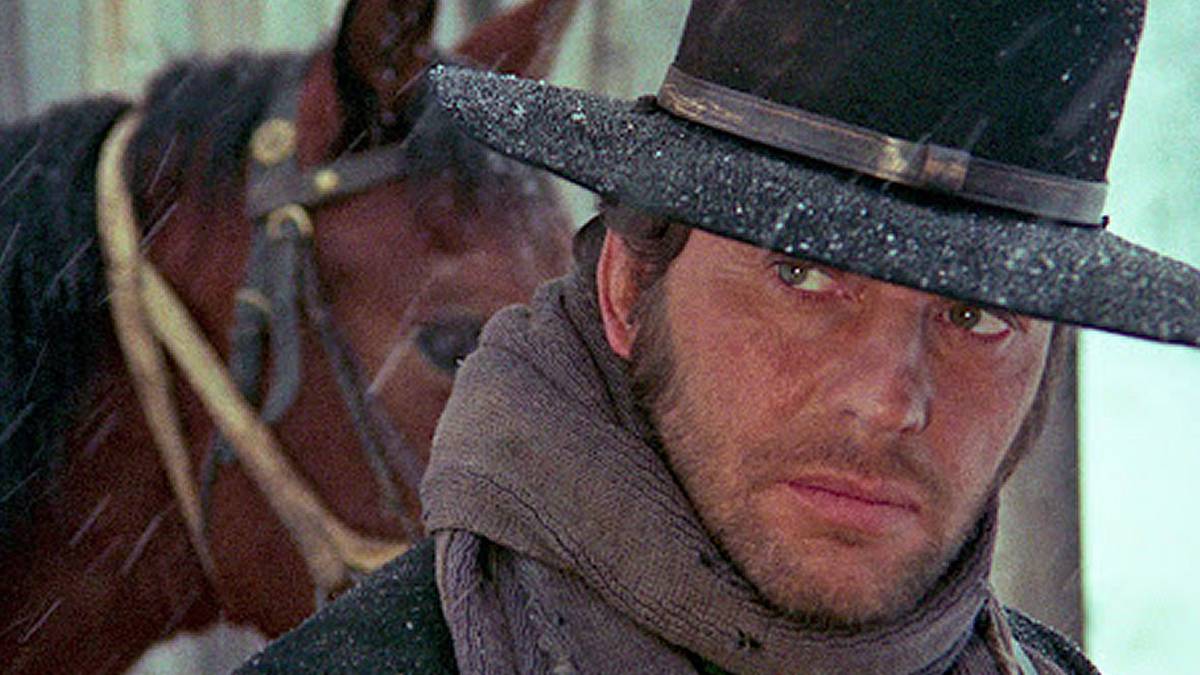
Corbucci, who also directed the original Django and the Burt Reynolds-led Navajo Joe, was a master of the genre. But The Great Silence stands apart. Set against the breathtaking, snow-covered Alps, the film follows a mute gunslinger (Jean-Louis Trintignant) who faces off against a ruthless band of bounty hunters led by the terrifying Klaus Kinski. The stark white landscape, captured in stunning widescreen, becomes a character in itself—a vast, unforgiving expanse that mirrors the film's bleak worldview.
Tarantino has long been vocal about his admiration for the film, calling it "my favorite snow Western, one of the great nihilistic spaghetti Westerns, done by one of my favorite directors." He borrowed heavily from it for The Hateful Eight, from the snowy exteriors to the claustrophobic stagecoach sequences. In fact, a 2016 video essay by Adam Cook highlighted shots in Tarantino's film that are nearly identical to Corbucci's, making the homage unmistakable.
A Grim, Political Finale
What truly sets The Great Silence apart is its unflinching, downbeat ending. In a genre not known for happy conclusions, Corbucci's finale is devastating: the hero is gunned down in a rigged duel, and the innocent settlers he tried to protect are massacred. The villains ride off into the sunrise, victorious. This was a deliberate choice by Corbucci, a committed leftist who was deeply affected by the assassinations of Malcolm X and Che Guevara. As director Alex Cox noted, Corbucci's widow said the filmmaker saw those deaths as a crushing blow to revolutionary movements—a sentiment that infuses the film's tragic climax.
It's this political edge, combined with Ennio Morricone's haunting score, that makes The Great Silence more than just a genre exercise. It's a bitter, angry film that refuses to offer comfort, and that's exactly why it resonates so powerfully today.
Finally Available to Stream
For years, American audiences were denied the chance to see the film in its intended form. A 2001 DVD release was marred by a poor transfer, and it wasn't until 2018 that Film Movement released a gorgeous 2K restoration on Blu-ray. Now, that same restoration has made its way to Mubi, giving subscribers the chance to experience the film as Corbucci intended.
If you're a fan of Tarantino's work, this is essential viewing. You'll see the direct lineage between The Great Silence and The Hateful Eight, and you'll understand why Tarantino considers it one of the greats. And if you're new to spaghetti Westerns, this is a perfect entry point—just be prepared for a story that doesn't pull its punches.
While you're at it, you might also want to check out another Tarantino favorite leaving streaming soon, or explore Tarantino's own Western homage that's currently free to watch. And if you're in the mood for more Corbucci, his zombie classics are also available on Tubi.
The Great Silence is now streaming on Mubi. Don't miss your chance to see a true masterpiece.